Most of us turn on the kitchen faucet without giving much thought to what comes out. As long as the water looks clear and doesn’t smell unusual, everything seems fine. But then something changes. Maybe your coffee develops a strange aftertaste, or reddish stains begin appearing around the bathroom sink. Suddenly, you’re paying much closer attention to something you’ve taken for granted.
Investing in professional water testing services can help homeowners understand their water supply and identify concerns that might otherwise remain unnoticed.
For families in Burton, testing offers a sensible starting point before purchasing filtration equipment or making changes to household plumbing. After all, knowing what you’re dealing with makes solving the problem considerably easier.
Clear Water Doesn’t Always Tell the Whole Story
It’s tempting to judge water quality by appearance. If it looks clean, surely it must be fine?
Unfortunately, things aren’t quite that simple.
Water can contain dissolved minerals, microorganisms, and other substances that aren’t visible to the naked eye. Some affect taste or smell, while others may be present without producing noticeable changes.
Hardness minerals, for instance, often leave chalky deposits around fixtures. Excessive iron may contribute to reddish-brown staining. Other contaminants, however, require appropriate laboratory analysis to detect.
This is particularly important for households relying on private wells, where water quality can change over time.
Rather than relying on assumptions or appearances, testing provides useful information about the actual characteristics of your water.
What Happens During a Professional Water Test?
Having your household water examined doesn’t necessarily involve a complicated appointment. However, the type of testing required depends on your water source and the concerns you’ve noticed.
A typical water testing process may involve collecting samples, measuring selected water characteristics, and arranging laboratory analysis for substances that require more specialized testing.
Basic screening may examine hardness, pH, iron, and total dissolved solids. More comprehensive testing can investigate microorganisms, nitrates, lead, and other relevant contaminants.
Proper sample collection matters, particularly when testing for bacteria or substances associated with household plumbing.
Different tests may require specific containers, collection procedures, or transportation conditions.
Working with qualified professionals and appropriately certified laboratories helps ensure the results are suitable for making informed treatment decisions.
Turning Water Test Results Into Practical Improvements
Receiving a report filled with numbers and unfamiliar chemical names can feel slightly overwhelming. What do those measurements actually mean for your household?
Reliable home water testing and recommendations should help connect test findings with practical treatment options, explaining which concerns deserve attention and which equipment might address them.
For example, excessive hardness may make conventional water softening worth considering. Unpleasant chlorine-related tastes might respond to suitable activated carbon filtration.
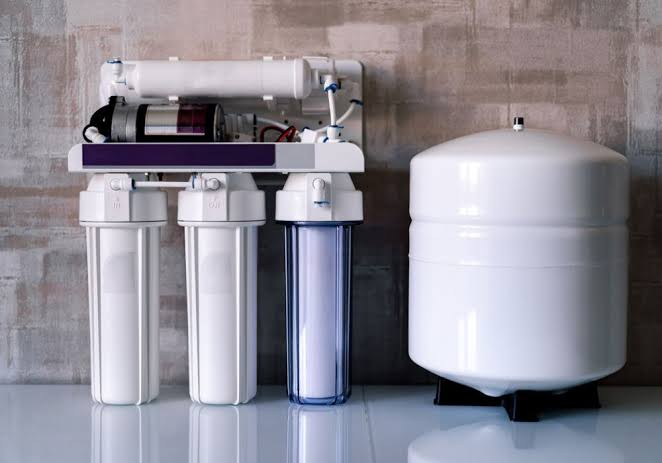
Elevated concentrations of certain dissolved contaminants may require specialized treatment, such as reverse osmosis.
The important thing is avoiding unnecessary equipment. Not every household needs a complicated filtration arrangement, and more treatment stages don’t automatically mean better results.
Sometimes, the simplest suitable solution is also the most economical.
Why Private Well Owners Should Pay Particular Attention
Living in a property supplied by a private well comes with its own set of responsibilities.
Unlike customers connected to regulated municipal supplies, private well owners are generally responsible for monitoring and maintaining their drinking water quality.
Heavy rainfall, nearby land activities, flooding, and changes in groundwater conditions can potentially influence well water.
Regular testing helps homeowners identify changes that may require further investigation.
It’s especially important to arrange appropriate microbial testing and analysis for locally relevant contaminants.
If testing identifies potentially harmful substances, homeowners should seek qualified guidance regarding treatment and safe alternative drinking water when necessary.
A proactive approach is considerably more reassuring than waiting until an obvious problem develops.
Recognizing the Everyday Signs of Water Quality Issues
Sometimes, the first indication of a water problem comes from ordinary household activities.
You might notice orange stains inside the toilet bowl, a lingering metallic taste in drinking water, or unusually heavy mineral deposits inside the kettle.
Laundry may develop discoloration, and soap might seem less effective than usual.
These symptoms provide useful clues, but they aren’t substitutes for proper testing.
For example, cloudy water can have several possible causes, including harmless trapped air or suspended materials.
Understanding the difference can prevent unnecessary worry and help you avoid spending money on equipment that doesn’t address the underlying issue.
Sudden or significant changes in water quality deserve prompt investigation.
Saving Money by Making Informed Treatment Decisions
Water treatment equipment represents an investment, and nobody wants to discover they’ve purchased the wrong system.
Testing beforehand can help narrow down your options and identify which treatment capabilities are genuinely necessary.
It may also reveal whether an existing filtration system is performing as intended.
Follow-up testing is particularly valuable after installing equipment designed to reduce potentially harmful contaminants.
Homeowners should also consider ongoing expenses, including replacement filters, servicing, and maintenance requirements.
A well-informed decision today can help prevent unnecessary purchases and frustrating adjustments later.
Better Water Begins With Better Information
For Burton homeowners, understanding household water quality doesn’t need to be an intimidating experience.
Start by identifying your concerns, arranging suitable testing, and discussing the findings with knowledgeable professionals.
Whether you’re dealing with mineral stains, unusual tastes, or questions about your private well, reliable information provides a stronger foundation for choosing appropriate treatment.
Water is part of nearly everything we do at home, from preparing breakfast to washing clothes and enjoying a quiet evening cup of tea.
Taking the time to understand its quality is a small but meaningful investment in your household’s everyday comfort and well-being.