Most people don’t spend much time thinking about their water until something changes. The morning coffee tastes a little different, white marks keep appearing on the bathroom faucet, or the showerhead starts spraying in odd directions because of mineral buildup. These things may seem minor at first, but when they become part of everyday life, it’s natural to wonder whether your home’s water needs attention.
The tricky part is knowing where to begin. There are plenty of filtration products, softeners, and treatment services available, and each seems to promise a better experience. Yet the most effective solution isn’t always the biggest or most expensive one. It starts with understanding your water, identifying the issue, and choosing equipment that genuinely fits your household.
Take a Closer Look at Your Water
Water quality depends on several factors, including its source, local treatment, and the plumbing inside your property. Municipal water systems are generally treated to meet applicable drinking-water standards, but water can still develop taste or odor issues, and plumbing conditions may affect what comes out of a tap. Private well owners face a different set of considerations because the quality of their water can change with environmental conditions.
Hard water is one of the most common household complaints. It contains minerals such as calcium and magnesium, which can leave spots on dishes, deposits around faucets, and scale inside appliances. Although hardness is generally more of a maintenance and comfort concern than a health issue, it can make routine cleaning more frustrating.
Other concerns may involve sediment, chlorine taste, unusual odors, or specific contaminants that require testing. These problems shouldn’t be treated as interchangeable. A water softener is designed primarily to reduce hardness minerals, while a filter may target particular substances depending on its technology and certification.
Before purchasing equipment, note what you’ve noticed. Is the issue present at every tap? Does the water smell different only after sitting overnight? Are the white deposits easy to wipe away, or do they keep returning? Small observations can help guide the next step.
Testing Gives You a More Reliable Starting Point
It’s easy to guess what might be wrong with your water, but guessing can lead to spending money on equipment that doesn’t solve the problem. A water test provides a clearer picture of selected water characteristics and helps you make a more informed decision.
If a provider offers the service, you can schedule a free water test to learn more about your household water. Before booking, ask which parameters are included and how the results will be shared. A basic test may check characteristics such as hardness, pH, or chlorine, but it may not cover every substance that could affect water safety.
For concerns involving specific contaminants, request guidance on appropriate laboratory testing. This is especially important for private wells, which may need regular testing based on local recommendations and nearby environmental risks. A simple screening should never be presented as proof that water is free from every possible contaminant. Related context: Choosing the Right Water Treatment Equipment for Cleaner Water at Home.
When the results arrive, take time to understand them. Ask the provider which findings are significant, whether they fall within relevant guidelines, and what options are available. A responsible recommendation should connect the test results to the proposed treatment rather than relying on vague claims about water quality.
Finding the Right Treatment for Your Household
Once you know more about your water, you can start comparing solutions. The best choice depends on what you want to improve and how your household uses water throughout the day.
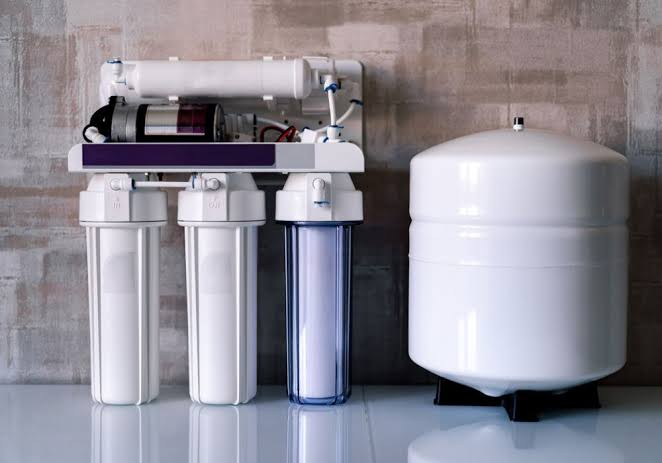
For example, a family dealing mainly with mineral deposits may want to explore a water softener. Someone concerned about drinking-water taste might benefit from a suitable filtration unit. Reverse osmosis systems can reduce a range of dissolved substances, depending on the specific model, but they aren’t necessary for every home.
Think about practical details, too. How many people live in the house? How much water do you use? Is there enough room for a whole-house unit, or would a smaller system at the kitchen sink be more suitable? Consider replacement filters, electricity requirements, drainage connections, and ongoing supply costs.
A lower upfront price can be appealing, but it doesn’t always mean lower overall costs. A system that needs frequent replacement cartridges or specialized servicing may cost more over time. Compare the full ownership picture, not just the price on the box.
It’s also wise to check the manufacturer’s performance claims. Where applicable, independent certifications can help verify whether a product has been tested for the specific reduction claims being made. No single treatment method removes every possible contaminant, so matching the technology to the concern is essential.
Installation Should Be Planned, Not Rushed
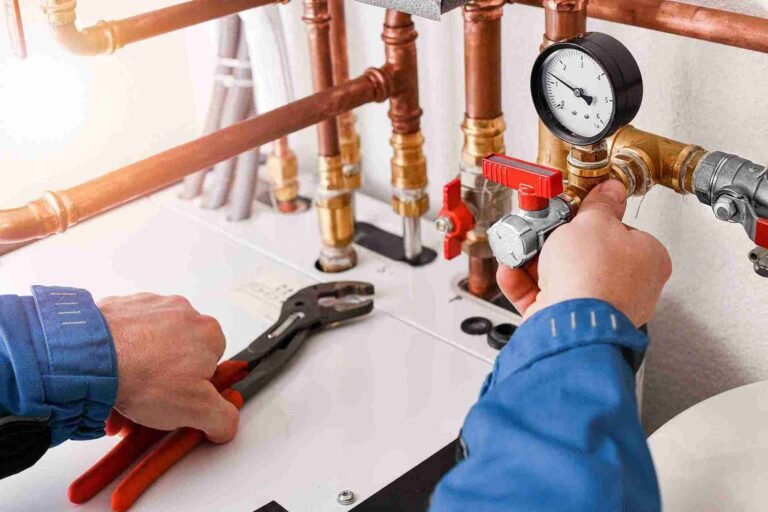
Even a good treatment system needs to be installed correctly. Poor connections, unsuitable placement, or incorrect settings can interfere with performance and may create plumbing problems. Some systems are simple enough for an experienced homeowner to fit, while others involve more complicated connections and adjustments.
Choosing expert installation can help ensure the equipment is connected, configured, and checked according to the manufacturer’s instructions. Before work begins, ask what the installation service includes. Will the technician inspect the location, check water pressure, and test the unit after setup? Are the required fittings included in the quoted price?
Make sure you understand how to operate the system once the installer leaves. Ask where replacement filters are located, which indicators to watch, and whether the unit needs any special care. These details may seem small, but they make day-to-day ownership much easier.
Leave enough space around the equipment for future inspections and filter changes. A system tucked behind stored boxes or cleaning supplies can quickly become inconvenient to maintain.
Don’t Forget About Long-Term Care
Water treatment equipment works quietly in the background, but its components don’t last forever. Filters collect material, softeners may require salt, and valves or seals can wear down. Maintenance needs vary by system, usage, and water conditions, so follow the schedule recommended for your specific model.
Regular routine maintenance can help preserve performance and identify problems before they become more disruptive. Keep track of filter replacement dates, check for visible leaks, and pay attention to changes in water flow or taste. If the water begins behaving differently, don’t automatically assume a filter is the cause. A change in the supply or plumbing may also be responsible.
When something doesn’t seem right, contact a qualified technician if basic checks don’t resolve it. Replacing parts at random can become expensive, and it may hide the underlying problem instead of fixing it.
Make Water Quality an Informed Home Decision
Better water doesn’t have to mean a complicated project. Start by understanding the issue, test appropriately, and compare solutions that address your actual needs. Then consider installation, maintenance, and long-term costs before committing to a purchase.
A dependable provider should explain the options clearly and give you room to make a decision. You should know what the equipment can do, what it cannot do, and how to keep it working properly.
Water plays a role in nearly every household routine, from cooking dinner to washing clothes and filling a glass before bed. A little research now can prevent unnecessary spending and help you choose a system that makes sense for your home. The aim isn’t to buy more equipment than you need. It’s to find a practical, reliable way to improve the water you use every day.