Water is one of those things we rarely think about until something seems wrong. Perhaps the glasses coming out of the dishwasher have cloudy marks, soap refuses to lather properly, or drinking water has an unpleasant taste that makes everyone reach for bottled alternatives. These everyday frustrations can be signs that the water entering your home needs a closer look.
Of course, not every water problem has the same cause. Mineral content, sediment, chlorine, and other contaminants can affect water in different ways. That’s why choosing a treatment system shouldn’t begin with buying the first product that promises cleaner water. It should begin with understanding what’s actually in your water and what you want to improve.
Start by Understanding Your Water Quality
Before investing in treatment equipment, take some time to understand your household’s water supply. Municipal water and private well water can have very different characteristics, and even homes in the same neighborhood may experience different issues because of plumbing materials or local conditions.
Hard water is a common concern. It contains elevated levels of minerals, particularly calcium and magnesium, which can leave deposits on faucets, shower screens, and appliances. Other problems may involve sediment, unpleasant odors, unusual taste, or specific contaminants that require targeted treatment.
A professional water test can help distinguish between these concerns. Depending on the source and the symptoms, testing may examine hardness, pH, dissolved minerals, bacteria, or other substances of concern. If you’re using well water, regular testing is especially important because water quality can change over time.
It’s tempting to judge water quality by appearance alone, but clear water isn’t necessarily free of contaminants. Likewise, a strange taste doesn’t automatically mean the water is unsafe. Testing provides a more useful starting point than guesswork and helps you avoid paying for equipment you don’t need.
Dealing With Hard Water Around the House
Hard water can make ordinary household tasks surprisingly frustrating. Soap may leave a film on the skin, shower doors develop stubborn spots, and kettles accumulate mineral scale. Over time, scale can also build up inside water-using appliances, potentially affecting their performance and maintenance needs.
For households dealing with these problems, water softeners can be a practical option. Conventional ion-exchange softeners reduce hardness by exchanging calcium and magnesium ions for other ions, commonly sodium. This can help limit scale formation and make cleaning easier.
However, a softener isn’t a universal water purifier. It generally isn’t designed to remove bacteria, many chemical contaminants, or every substance that may affect drinking water. That’s an important distinction when comparing products.
Homeowners should also consider the system’s capacity, water usage, regeneration requirements, and maintenance costs. A household with several bathrooms and frequent laundry loads may have different needs from a small apartment with limited water consumption.
Salt-based systems require periodic salt replenishment, while alternative technologies work differently and may not provide the same level of hardness removal. Ask how a system performs under your actual water conditions instead of relying entirely on broad marketing claims.
Improving the Taste of Drinking Water
Even when water meets applicable safety standards, its taste and smell can influence how comfortable people feel drinking it. Chlorine used in municipal water treatment, for example, may create a noticeable taste or odor. Some households also want to reduce particular dissolved substances, depending on their water source and test results.
Under-sink drinking water systems are popular because they treat water at a specific point rather than processing every gallon entering the house. Many use activated carbon to improve taste and odor, while other technologies target different substances.
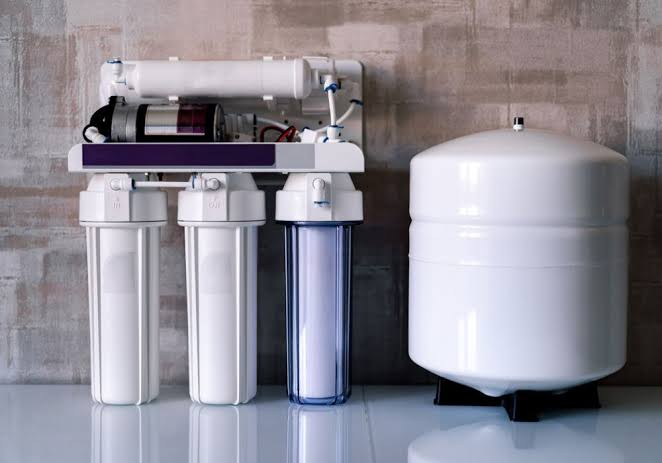
For households that need broader contaminant reduction, reverse osmosis systems may be worth considering. These systems push water through a semipermeable membrane, reducing many dissolved salts and other selected contaminants. Their performance depends on the system design, membrane condition, incoming water quality, and the substances being targeted.
Reverse osmosis isn’t automatically necessary for every home. Some systems produce reject water during operation, require periodic filter and membrane replacement, and may reduce certain minerals along with unwanted substances. Those factors should be considered before installation.
Most importantly, check the product’s performance documentation. Look for independent certifications and specific contaminant-reduction claims relevant to your concerns. A system certified for one substance should not be assumed to remove every other contaminant.
Why the Right Filtration System Matters
Filtration is a broad term covering several technologies, each designed for different purposes. Sediment filters capture particles such as sand, rust, and suspended debris. Activated carbon can reduce chlorine and improve taste or odor. Specialized media may target iron, manganese, or other substances under suitable conditions.
The key is matching the technology to the problem. Installing a sediment filter won’t necessarily solve dissolved mineral issues, and a carbon filter shouldn’t be relied upon to remove every type of microorganism or chemical contaminant.
Quality filtration equipment should be selected according to water testing, household demand, installation requirements, and the manufacturer’s stated capabilities. A professional can help determine whether one treatment stage is sufficient or whether several technologies need to work together.
For instance, a home with well water containing sediment and elevated iron may require a different setup from a city home mainly concerned about chlorine taste. In some cases, pretreatment protects downstream equipment and improves overall performance. In others, a simple point-of-use filter may be all that’s needed.
Don’t overlook maintenance. Filters become less effective when they’re used beyond their recommended service life, and neglected components can reduce flow or affect water quality. Keep track of replacement schedules and follow the manufacturer’s instructions rather than waiting until water tastes different.
Whole-House Treatment or Point-of-Use Treatment?
One of the most useful decisions is determining where treatment should happen. Whole-house systems treat water as it enters the property, making them suitable for issues affecting showers, laundry, fixtures, and appliances throughout the home.
Point-of-use systems treat water at an individual tap or appliance. They’re often a sensible choice when the main concern involves drinking or cooking water rather than every water outlet.
Neither approach is automatically better. A whole-house system can involve higher upfront costs, more installation space, and ongoing maintenance. A smaller drinking water filter may be more affordable, but it won’t address scale buildup throughout the plumbing system.
Some households benefit from a combination, such as a whole-house softener for hardness and a separate drinking water filter for taste or specific contaminants. The decision should reflect the test results, budget, available space, and everyday water use.
Keep Long-Term Costs in Mind
The purchase price is only part of the cost of owning a treatment system. Replacement cartridges, salt, electricity, wastewater, servicing, and occasional repairs can all affect the total expense over several years.
Before choosing a product, ask how frequently components need replacement and whether supplies are readily available. Check the warranty and understand which maintenance tasks can be completed by the homeowner. A system that looks inexpensive initially may cost more to operate than expected.
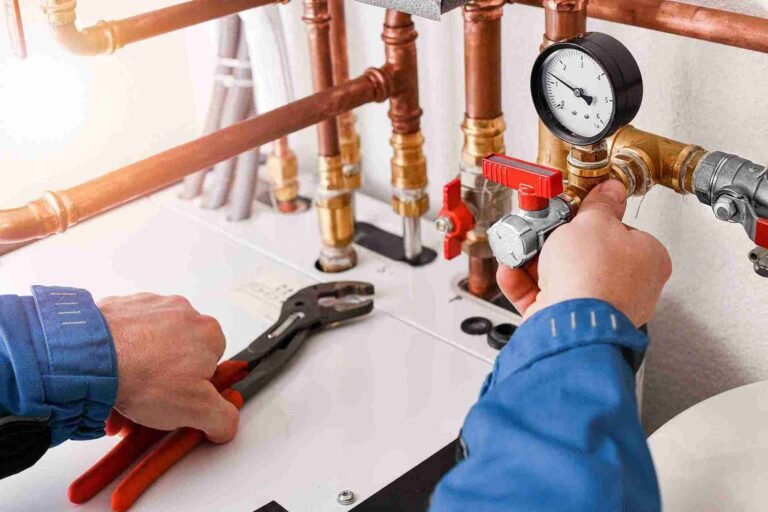
Professional installation can also be worthwhile when a system requires plumbing changes, drainage connections, or electrical components. Correct installation helps the equipment operate as intended and reduces the risk of leaks or avoidable performance problems.
Better Water Begins With an Informed Choice
There isn’t one treatment system that works perfectly for every household. The best option depends on your water quality, your concerns, and the level of treatment you genuinely need.
Start with reliable testing, compare technologies carefully, and pay attention to maintenance requirements as well as purchase price. Avoid buying equipment based on vague promises or assuming that a more complicated system must be more effective.
When the treatment method matches the actual problem, the benefits become easier to notice: fewer mineral deposits, better-tasting drinking water, and greater confidence in the water used every day. A thoughtful decision today can make water management simpler for years to come.