A kitchen doesn’t have to look like something from a design magazine to be a pleasure to use. Sometimes, the most satisfying changes are the practical ones: a cabinet door that finally closes properly, a backsplash that wipes clean without a struggle, or an appliance that works exactly as it should. These details might seem minor on their own, but together they can transform how a kitchen feels and functions.
Because kitchens see so much daily activity, they also tend to show wear faster than other rooms. Cooking splashes, steam, heavy drawers, and frequent cleaning gradually take their toll. The good news is that improving the space doesn’t always mean replacing everything. With a clear plan, homeowners can focus on the areas that need attention most and create a kitchen that feels more organized, comfortable, and dependable.
Start by Identifying Everyday Frustrations
Before buying new materials or planning a major renovation, take a closer look at how the kitchen is used. Is there enough counter space for preparing meals? Do cabinet doors stick? Are frequently used utensils difficult to reach? Perhaps the lighting leaves shadows over the worktop, making simple tasks harder than they should be.
These are useful questions because they reveal which improvements will have the greatest impact. A household that cooks every evening may benefit from better storage and more durable work surfaces, while someone who rarely cooks might prioritize appearance and easy maintenance.
It helps to separate urgent repairs from cosmetic changes. A loose cabinet hinge or a leaking connection deserves attention before choosing decorative handles. Likewise, damaged surfaces should be checked for moisture problems before new finishes are installed over them.
Set a realistic budget, too. Include materials, labour, delivery charges, and a little extra for unexpected discoveries. Older kitchens can hide problems behind cabinets and appliances, so having some flexibility can prevent a manageable project from becoming stressful.
Restore Cabinets Before Replacing Them
Cabinets occupy a large amount of visual space in most kitchens. When they become scratched, misaligned, or difficult to open, the whole room can appear older than it really is. Yet replacing an entire cabinet system is often unnecessary, particularly when the underlying boxes remain sturdy.
Professional cabinet repairs can address problems such as loose hinges, damaged drawer slides, sagging doors, worn handles, and small areas of surface damage. Sometimes, tightening a few fittings and adjusting the hinges is enough to make the cabinetry feel almost new again.
Look closely at the cabinet structure before deciding what to repair. Doors that no longer line up may simply need adjustment, but swollen particleboard or soft wood can indicate moisture damage. If the material has deteriorated significantly, replacing the affected section may be safer and more economical than repeatedly fixing it.
For cabinets with a sound structure but an outdated appearance, refinishing or repainting may offer another option. A fresh finish can change the character of the room without the cost and disruption of a complete replacement. Choose coatings designed for cabinetry, prepare the surfaces carefully, and allow adequate drying time. Rushing this stage can lead to peeling paint and visible marks later.
Add a Backsplash That Works as Hard as You Do
The wall behind a stove, sink, or preparation counter faces a constant combination of grease, water, heat, and food splashes. An appropriate backsplash protects this area while giving the kitchen a finished appearance.
Good backsplash work begins with selecting materials that suit both the cooking habits of the household and the style of the room. Ceramic and porcelain tiles remain popular because they are durable and relatively easy to clean. Glass can create a bright, reflective surface, while natural stone offers texture and variation, although it may require more maintenance.
Colour matters, but practicality should guide the final choice. Very light grout can show stains quickly in a busy cooking area, whereas a suitable mid-tone grout may be easier to maintain. Large-format tiles can reduce the number of grout lines, while smaller tiles may work better around unusual corners and detailed layouts.
Preparation is just as important as appearance. The wall should be clean, stable, and appropriate for the chosen installation system. Uneven surfaces, poorly applied adhesive, or inadequate sealing in vulnerable areas can lead to loose tiles and moisture problems.
Think about cleaning before settling on a design. A beautifully textured surface might look impressive in a showroom, but grease can collect in deep grooves. Smooth, wipeable finishes are often a sensible choice behind the cooking range.
Make Appliance Connections Safe and Reliable
Modern kitchens rely on appliances that save time and make everyday tasks easier. Refrigerators, dishwashers, cooktops, ovens, and washing machines can all contribute to a more functional home, but they need suitable connections and enough space to operate safely.
Correct appliance hookups involve more than plugging equipment into a nearby outlet. Depending on the appliance, installation may require water supply lines, drainage connections, dedicated electrical circuits, ventilation, or gas connections. The exact requirements depend on the model and local building rules.
Before purchasing a new appliance, measure the available space carefully. Check its width, height, depth, door swing, and clearance requirements. A refrigerator that technically fits may still be difficult to open if a wall or cabinet sits too close. Dishwashers also need enough room for the door to lower without obstructing walkways.
Electrical and gas work should be completed by appropriately qualified professionals. Water connections must be checked for leaks, and hoses should be installed according to the manufacturer’s instructions. Even a slow leak behind a dishwasher can damage flooring and cabinetry before anyone notices it.
Once installation is complete, test the appliance using the recommended procedure. Check that drainage works properly, ventilation isn’t blocked, and the equipment operates without unusual noise or warning indicators.
Improve Storage and Lighting Along the Way
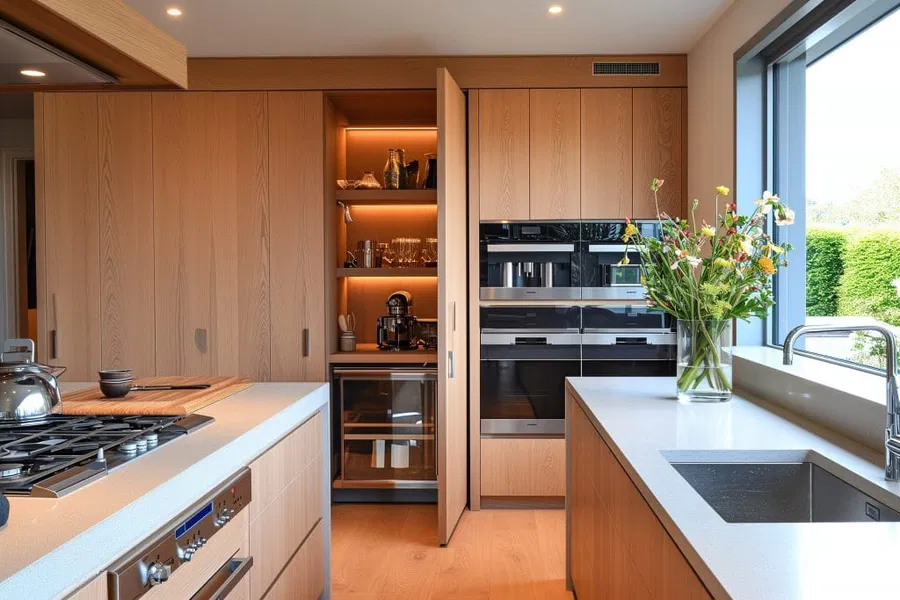
A kitchen can have attractive cabinets and expensive appliances yet still feel awkward if everything is difficult to reach. Small storage improvements can make a surprising difference. Drawer dividers keep utensils organized, pull-out shelves make deep cabinets easier to use, and wall-mounted racks can free up valuable counter space.
Try to store everyday items close to where they’re needed. Pots and pans belong near the cooking area, while knives, cutting boards, and preparation tools should be accessible from the main worktop. This simple arrangement reduces unnecessary movement and makes cooking feel less chaotic.
Lighting deserves similar attention. A single ceiling fixture often leaves shadows across counters and sinks. Under-cabinet lighting can brighten preparation areas, while general overhead lighting helps the room feel open and welcoming. Select fittings designed for their intended environment and have electrical work handled safely.
Keep Maintenance Part of the Plan
Even a well-designed kitchen needs regular care. Clean spills promptly, inspect sink connections occasionally, and avoid using harsh products that could damage finishes. Cabinet hinges and drawer runners may benefit from periodic adjustment, while grout and sealant should be checked for cracks or deterioration.
Follow the care instructions for countertops, appliances, and backsplash materials. Natural stone, painted wood, stainless steel, and laminate all have different maintenance needs. Using the wrong cleaning product can leave permanent marks, so a little research is worthwhile.
It’s also helpful to keep product manuals and installation details in one place. If an appliance needs servicing or a fitting requires replacement, having the relevant information nearby saves time and frustration.
A Kitchen That Fits Real Life
The best kitchen improvements aren’t necessarily the most expensive ones. They’re the changes that solve everyday problems, make the room easier to maintain, and support the way people actually cook and live.
Start with essential repairs, choose materials that suit your routine, and plan appliance installations carefully. A refreshed cabinet, a practical backsplash, or a safely connected appliance can each contribute to a better-functioning space. When these decisions are made thoughtfully, the kitchen becomes more than a place to prepare food. It becomes a comfortable, dependable part of home life, ready for quick breakfasts, family dinners, and all the ordinary moments in between.