Water isn’t usually the first thing people think about when they talk business. They think marketing, staffing, rent, software. Water sits quietly in the background, doing its job—until it doesn’t. Then suddenly the ice machine breaks, the coffee tastes off, equipment needs repairs way too soon, or customers start noticing things you wish they wouldn’t.
That’s when many businesses realize water isn’t just a utility. It’s infrastructure. And like any critical system, ignoring it gets expensive fast.
This is where commercial water solutions stop being a “nice to have” and start looking like common sense.
Why Business Water Is a Different Beast
Commercial water usage isn’t the same as residential. Not even close. Restaurants run dishwashers nonstop. Hotels cycle thousands of gallons daily. Manufacturing facilities rely on consistent water chemistry to protect equipment. Gyms, hospitals, schools—every setting has different demands, but one thing is shared: water quality directly affects operations.
Hard minerals clog boilers. Scale builds up in pipes. Chlorine damages seals and heating elements. Poor water quality shortens equipment lifespan and quietly drains budgets through maintenance calls and downtime.
Most companies don’t connect those dots until the invoices pile up.
The Hidden Cost of Hard Water at Scale
Hard water in a home is annoying. Hard water in a business is destructive.
In commercial environments, mineral buildup accelerates fast. Heating elements become insulated by scale, forcing systems to work harder and burn more energy. Spray nozzles clog. Valves fail prematurely. Laundry facilities go through detergent like it’s free—and still don’t get clean results.
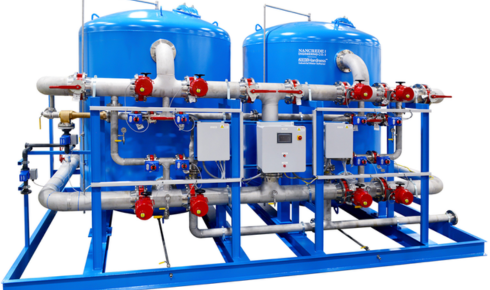
This is exactly why commercial water softeners exist. They’re not just oversized residential units. They’re engineered for volume, pressure, and consistency. Properly sized softeners reduce scale, improve efficiency, and dramatically cut repair frequency.
And yes, they pay for themselves—often sooner than expected—because fewer breakdowns mean fewer interruptions to business.
Taste, Safety, and Reputation All Flow Together
For any customer-facing business, water quality becomes part of the brand whether you like it or not. Bad-tasting coffee. Cloudy ice. Spotty glassware. None of these scream “professional,” even if everything else is spotless.
That’s where a commercial water filtration system earns its keep. Filtration removes chlorine, sediment, organic compounds, and other contaminants that affect taste, odor, and clarity. In food service, that means better beverages. In healthcare or labs, it means safer water. In offices, it simply means people drink more water—and complain less.
The right system is customized. A café doesn’t need the same setup as a manufacturing plant, and a hotel has very different needs than a school. One-size-fits-all solutions usually fit no one particularly well.
Downtime Is the Real Enemy
Most water problems don’t announce themselves politely. They show up as emergencies. A boiler fails during peak hours. A cooling system trips alarms. A dishwasher goes down right before lunch rush.
The real cost isn’t the part—it’s the lost productivity, angry customers, delayed services, and staff scrambling to improvise.
Smart businesses think preventatively. They treat water before it causes problems instead of reacting afterward. That shift—from reactive to proactive—is where water treatment quietly becomes a strategic decision, not just a maintenance one.
Scaling Matters More Than Features
It’s easy to get distracted by features: digital displays, app monitoring, fancy terminology. But commercial water systems live or die by proper sizing and flow rate. Undersized systems fail early. Oversized systems waste money.
The best setups are boring in the best way. They run consistently, require minimal attention, and integrate smoothly into existing operations. They don’t demand babysitting. They just work.
That reliability is what businesses actually need.
Maintenance Isn’t a Burden—It’s Insurance
Every commercial water system needs maintenance. Resin needs regeneration. Filters need replacing. Valves need inspection. Skipping this doesn’t save money; it delays costs until they’re bigger and uglier.
A simple maintenance schedule protects the investment and keeps performance consistent. Many companies bundle service contracts into installation for this exact reason. Predictable costs beat surprise failures every time.
Different Industries, Same Lesson
Hospitality wants spotless glassware and long-lasting equipment. Healthcare demands safety and consistency. Manufacturing needs precision and protection. Offices want convenience and reliability.
Different goals. Same solution: control the water before it controls you.
Once businesses address water quality properly, they often notice secondary benefits—lower energy bills, fewer service calls, happier staff, and smoother daily operations. None of that shows up in marketing brochures, but it shows up on the balance sheet.
Choosing the Right Partner Matters
Commercial water treatment isn’t a DIY project. It requires proper testing, system design, installation, and follow-up. A good provider asks questions before recommending equipment. They look at usage patterns, peak demand, existing infrastructure, and future growth.
If someone pushes a system without understanding your operation, that’s a red flag.
Final Thoughts: Water Is a Business Asset
Water doesn’t generate revenue directly, but it supports everything that does. When it’s treated properly, it protects equipment, enhances customer experience, and reduces long-term costs. When it’s ignored, it quietly undermines operations until something breaks.
Investing in the right commercial water approach isn’t about luxury. It’s about stability, efficiency, and foresight.
And in business, those three things tend to matter a lot.