It’s usually the little things that make you realize something isn’t quite right with your household water. The bathroom faucet develops a chalky coating, the dishwasher leaves cloudy spots on glasses, and your favorite towels feel rough despite being freshly washed. You clean everything thoroughly, only to find the same problems returning a few days later.
Living with persistent hard water issues can make everyday household responsibilities unnecessarily demanding while contributing to mineral accumulation inside certain appliances and plumbing components.
Fortunately, these concerns don’t have to become permanent features of your home. With appropriate testing, suitable treatment equipment, and regular maintenance, homeowners can address excessive hardness at its source rather than repeatedly dealing with its consequences.
Why Hard Water Creates Problems Around the House
Hard water contains dissolved minerals, primarily calcium and magnesium. These naturally occurring substances enter the water as it travels through soil and underground rock formations.
Although hardness doesn’t automatically make drinking water unsafe, it can create several practical inconveniences.
When water evaporates or is heated, mineral deposits may remain behind. That’s why kettles, showerheads, and bathroom faucets often develop stubborn white residue.
Inside certain appliances, mineral accumulation may interfere with heating efficiency and increase maintenance requirements.
Soap also reacts with hardness minerals, sometimes leaving behind residue instead of producing a rich lather.
The effects often develop gradually, making them easy to overlook until household cleaning becomes noticeably more difficult.
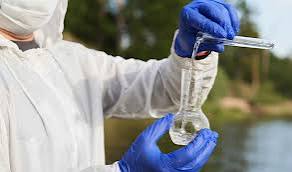
Measuring your water hardness can help determine whether treatment would provide meaningful benefits.
What to Expect When Installing a Water Softener
Installing treatment equipment might seem intimidating if you’re unfamiliar with household plumbing. However, understanding the process can make the experience considerably more straightforward.
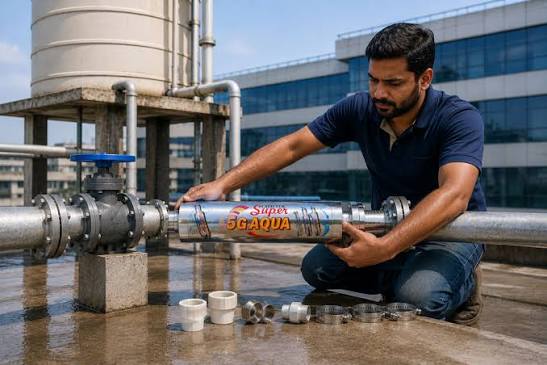
Professional water softener installation and service typically involves evaluating incoming water conditions, selecting appropriately sized equipment, completing plumbing connections, and establishing suitable operating settings.
A conventional softener is generally installed near the main water supply connection, allowing treated water to reach selected household fixtures.
The installer must also consider drainage requirements, electrical access where necessary, and sufficient space for maintenance.
A bypass valve may be included to allow water to flow around the equipment during servicing.
Once installation is complete, the system should be configured according to measured hardness and household consumption.
Ask your installer to explain how regeneration works and what routine maintenance involves. Understanding your equipment from the beginning makes long-term ownership much easier.
Finding a Conditioning Solution That Suits Your Lifestyle
Every household uses water differently. A busy family might run several laundry loads each week, while a smaller household may have relatively modest consumption requirements.
A thoughtful approach to residential water conditioning considers these differences alongside water testing results, available installation space, and the specific concerns homeowners want to address.
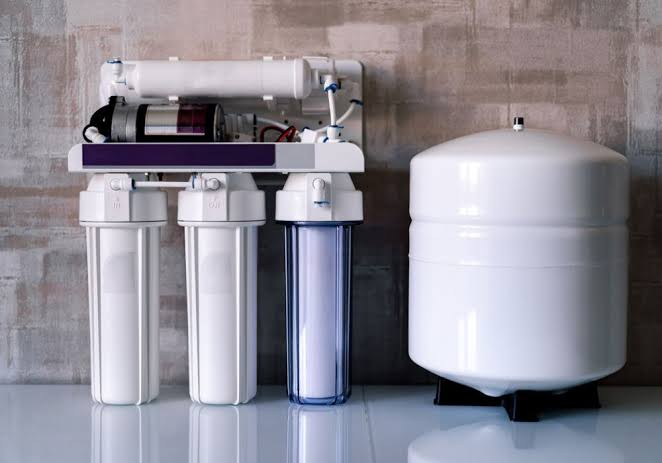
Traditional water softeners reduce calcium and magnesium through ion exchange. Salt-free conditioning technologies, meanwhile, may help manage scale formation under suitable conditions without removing hardness minerals.
These approaches don’t necessarily produce identical results.
If your main objective is reducing soap residue and improving cleaning performance, conventional softening may be more appropriate.
Additional filtration could also be necessary if your water contains sediment, excessive iron, or other unwanted substances.
Choosing equipment based on actual water conditions helps prevent unnecessary spending and unrealistic expectations.
Giving Household Appliances a Little Extra Protection
Water heaters, dishwashers, and washing machines represent substantial household investments. Naturally, most homeowners want to keep them functioning properly for as long as possible.
Hardness-related mineral deposits can accumulate inside certain appliances, particularly those that regularly heat water.
Scale on heating surfaces may interfere with heat transfer, potentially increasing maintenance requirements.
Suitable softening can help reduce future mineral accumulation. However, previously developed deposits may still require separate cleaning or professional servicing.
Think of water treatment as another aspect of preventive home maintenance.
Just as you wouldn’t ignore a heating system that needs servicing, it makes sense to address water conditions that could contribute to recurring equipment problems.
Enjoying the Everyday Benefits of Softened Water
Not every benefit of water softening involves technical equipment performance or long-term maintenance savings. Related context: Finding the Right Water Softener for Your Home (Without Overthinking It).
Sometimes, the most noticeable improvements appear during ordinary household chores.
Soap may lather more readily, bathroom fixtures might remain cleaner for longer, and laundry detergents can perform differently when fewer hardness minerals are present.
You may even find yourself spending less time removing those stubborn marks from the shower screen.
Of course, softened water can feel slightly different when bathing. That sensation takes some getting used to for certain people.
These small changes can make everyday responsibilities more manageable, particularly when you consider how frequently household cleaning needs to be done.
Keeping Your Water Softener in Good Condition
A water softener isn’t completely maintenance-free. Conventional systems require periodic salt replenishment, regeneration, and occasional servicing.
Check salt levels regularly and follow manufacturer maintenance recommendations. If mineral deposits begin returning unexpectedly, arrange an inspection to determine whether the equipment requires attention.
It’s also sensible to monitor operating expenses and keep track of servicing dates.
Remember that softening doesn’t remove every potentially harmful contaminant. Separate filtration or disinfection may be necessary depending on your water quality. Related context: Better Water at Home Begins With the Right Questions and a Practical Plan.
Homeowners following medically prescribed sodium restrictions should discuss softened drinking water with an appropriate healthcare professional.
Making a Practical Investment in Your Home
Managing hard water doesn’t need to involve expensive equipment or complicated maintenance routines.
Start with reliable testing, choose treatment technology that matches your requirements, and arrange proper installation.
With consistent care, an appropriately selected softener can help protect appliances, reduce future mineral buildup, and simplify household cleaning.
Sometimes, the most worthwhile home improvements are the ones that quietly make everyday life easier. And having fewer stubborn deposits to scrub away is certainly a good place to start.