There’s something oddly comforting about pouring yourself a cold glass of water straight from the tap. It’s easy, it’s refreshing—and it feels healthy. But have you ever stopped and wondered what’s actually in that glass? It looks clear. It tastes fine. But looks can be deceiving. Enter: TDS.
Most people haven’t heard of it, but TDS is kind of a big deal when it comes to water quality. It’s not about scaring you away from tap water, but about being informed—about knowing what your family is drinking, and how it might be affecting your health over time.
Let’s dig in.
The Basics: What Exactly Is TDS?
TDS stands for Total Dissolved Solids. These solids aren’t something you can see. They’re microscopic minerals, salts, metals, and even a few organic substances that get mixed in with water as it flows through pipes, soil, and rock.
These tiny particles might include calcium, magnesium, potassium, sodium, chlorides, sulfates, and bicarbonates. And depending on where you live, the levels can vary—wildly.
It’s kind of like that mystery smoothie your friend made for you. You think it’s just banana and yogurt, but it turns out there’s flaxseed, turmeric, and maybe even a splash of cayenne in there. You wouldn’t know unless you asked—or in the case of water, tested it.
Water TDS Full Form and Why It’s Worth Knowing
Let’s break it down quickly. The water TDS full form is “Water Total Dissolved Solids.” Simple enough, right?
But what it tells you is far more complex.
High TDS doesn’t always mean unsafe water. In fact, some dissolved solids are good. Your body needs minerals like calcium and magnesium. The problem is when those levels get too high—or worse, when harmful substances like lead or arsenic sneak in.
This is where it gets tricky: TDS is more of an indicator than a direct health threat. It’s kind of like noticing your car’s engine is louder than usual. That doesn’t necessarily mean something’s broken—but it might be worth checking under the hood.
Is High TDS Bad? Not Always…
Here’s the thing: There’s no one-size-fits-all answer.
Some bottled mineral waters have a naturally high TDS level because they contain beneficial minerals. They’re sold for a premium. But if your tap water has high TDS from corroded plumbing or industrial runoff? That’s a different story.
According to the EPA, water with a TDS level below 500 mg/L is generally considered acceptable. Once it creeps above that, you may start noticing weird tastes, salty aftertastes, or even stains on your dishes and sinks. That’s your water’s way of trying to get your attention.
But again—TDS isn’t the villain. It’s more like a signal flare. A way to tell if you need to test further or consider filtering your water.
TDS in Water Full Form and How It’s Tested
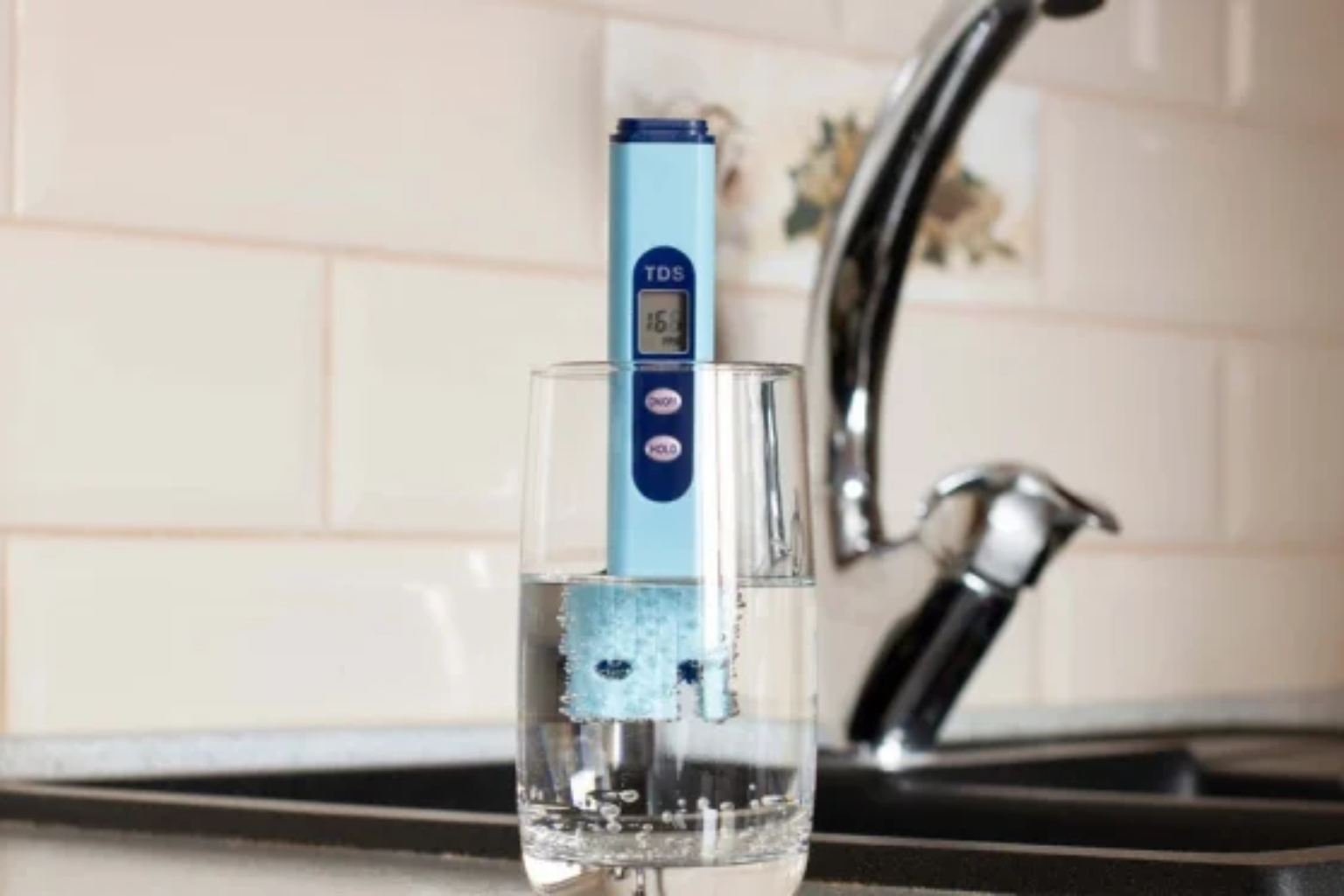
Okay, so you’re curious now. What’s in your water? You can’t eyeball it or guess by taste. You’ll need a TDS meter (super cheap online), or you can get a full water test done by a lab.
And just to clarify again: the TDS in water full form is “Total Dissolved Solids in water.” You’ll see this on test kits, filter specs, and scientific reports. Once you have a reading, you can begin to assess whether your water needs improvement.
Here’s a general guideline:
- 0–50 mg/L – Distilled water, typically not recommended for daily drinking (lacks minerals)
- 50–150 mg/L – Ideal for drinking, clean and balanced
- 150–300 mg/L – Still good, may contain healthy minerals
- 300–500 mg/L – Acceptable but worth monitoring
- 500+ mg/L – Getting into murky territory; time to investigate further
Keep in mind, this is just a starting point. A high TDS reading could be totally harmless—or it could be a red flag.
So, What Is the TDS of Drinking Water Supposed to Be?
That’s a fair question. In fact, one of the most common things people want to know is, what is the TDS of drinking water that’s considered “good”?
Most experts agree that the sweet spot lies between 50 and 150 mg/L. That range provides essential minerals without any funky flavors or unwanted extras. Water in this range is typically clean, crisp, and refreshing—just how we like it.
Of course, preferences vary. Some folks prefer mineral-rich water with a TDS closer to 300. Others like it stripped down. It’s a bit like choosing between sparkling water and spring water—both are fine, just different.
But if your water’s hitting 600, 700, or more? That’s when you might want to start asking questions, especially if you’re using a private well or live in an industrial or agricultural area.
Why You Should Care (Even If You Don’t Feel Like It)
Let’s be real: testing water doesn’t exactly sound thrilling. But here’s the kicker—many of the health issues caused by contaminants don’t show up right away. You won’t feel sick the minute you drink water with too much fluoride, nitrates, or heavy metals.
Instead, it’s a slow burn. Skin problems. Hair fall. Digestive issues. Even developmental concerns in kids.
And because TDS isn’t always harmful, but might be, it serves as that first breadcrumb that leads you to a clearer picture of what’s happening in your water supply.
What To Do If Your TDS Levels Are High
If your TDS meter blinks a higher number than you’d like, don’t panic.
Here’s a short action list:
- Get a lab test. A home TDS meter can’t tell you what is dissolved—just that something is.
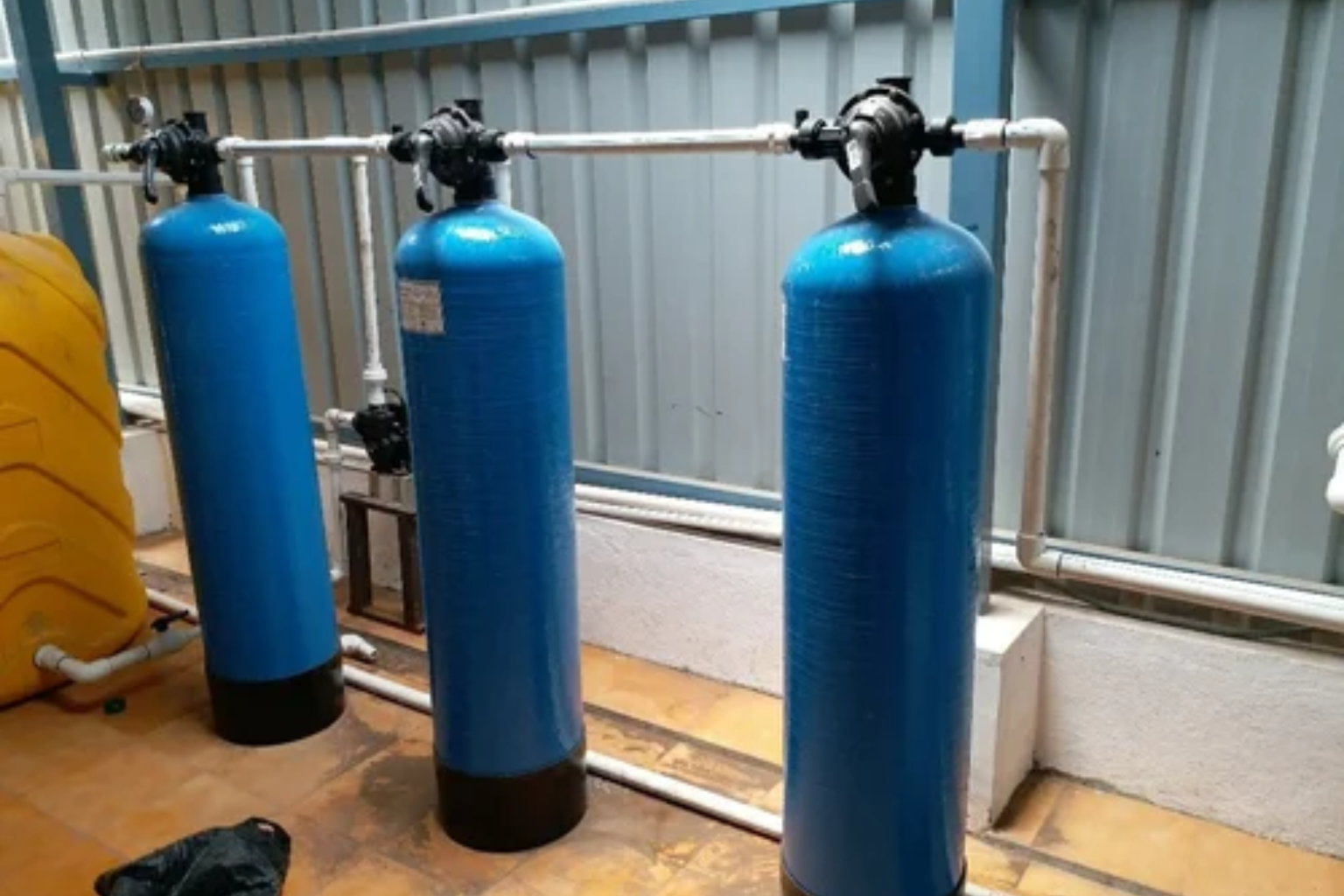
- Install a filter. Reverse osmosis systems are great at reducing TDS. So are carbon filters, depending on what’s in the water.
- Check your plumbing. Old pipes can leach metals. Sometimes the issue is inside your home, not outside.
- Talk to your local water provider. Ask for the latest water quality report—they’re required to provide it.
Final Thoughts: It’s Just Water… Or Is It?
We take water for granted. We turn the tap, fill a glass, and gulp. But behind that simple act is a whole ecosystem of chemistry, infrastructure, and nature at work.
Understanding TDS doesn’t mean you need a degree in environmental science. It just means you’re paying attention—and that’s a good thing.