You don’t always notice water problems right away. Sometimes it sneaks up on you slowly—your coffee tastes off, your stomach feels unsettled, or the water has a faint bitterness you can’t quite describe. You shrug it off. Maybe it’s the beans. Maybe it’s stress. But then it keeps happening, and a quiet question forms: Is it the water?
For many households, especially those on well systems, the answer turns out to be yes. And one of the most overlooked culprits is sulfate in water.
What Sulfate Actually Is (And Why It Shows Up)
Sulfates are naturally occurring minerals found in soil and rock. As groundwater moves through these layers, it dissolves sulfate compounds and carries them straight into wells and water supplies. In small amounts, sulfate isn’t dangerous. In fact, many municipal systems contain low levels without issue.
Problems begin when concentrations climb.
High sulfate levels don’t always scream for attention. There’s no dramatic color change, no obvious smell. Instead, you get subtle hints—a bitter or medicinal taste, water that feels harsh, or digestive discomfort that seems to come out of nowhere.
And because sulfate is naturally occurring, many people assume there’s nothing they can do about it. That’s not true.
The Symptoms Most People Miss
Here’s where things get tricky. The body doesn’t always react loudly to sulfate exposure, especially at moderate levels. Instead, you might notice patterns rather than clear warnings.
These sulfate symptoms can include mild diarrhea, dehydration, stomach cramps, or an overall “off” feeling after drinking water. Infants and elderly individuals are often more sensitive, which is why pediatricians pay closer attention to sulfate levels in well water used for baby formula.
Outside the body, sulfate can also be rough on your home. It can corrode plumbing over time, shorten appliance life, and interfere with soap efficiency. If you’ve noticed soap refusing to lather or laundry feeling stiff even after a rinse, sulfate could be playing a role behind the scenes.
Why Taste Is Only Part of the Story
A lot of people decide whether water is “good” based purely on taste. If it doesn’t smell and doesn’t look cloudy, it gets a pass. That’s understandable—but misleading.
Sulfate is one of those minerals that sits right at the intersection of taste and health. It can make water unpleasant without immediately causing harm, which is exactly why it goes unchecked for so long. You adapt. You drink less water. You switch to bottled water. You stop trusting your tap.
None of that actually fixes the problem.
And over time, reducing water intake because it tastes bad can lead to dehydration, headaches, and fatigue. The issue stops being just about flavor and starts affecting daily life.
Testing Isn’t Paranoia—It’s Practical
If you’re on municipal water, sulfate levels are usually monitored, though they can still fluctuate seasonally. If you’re on a private well, testing isn’t optional—it’s essential.
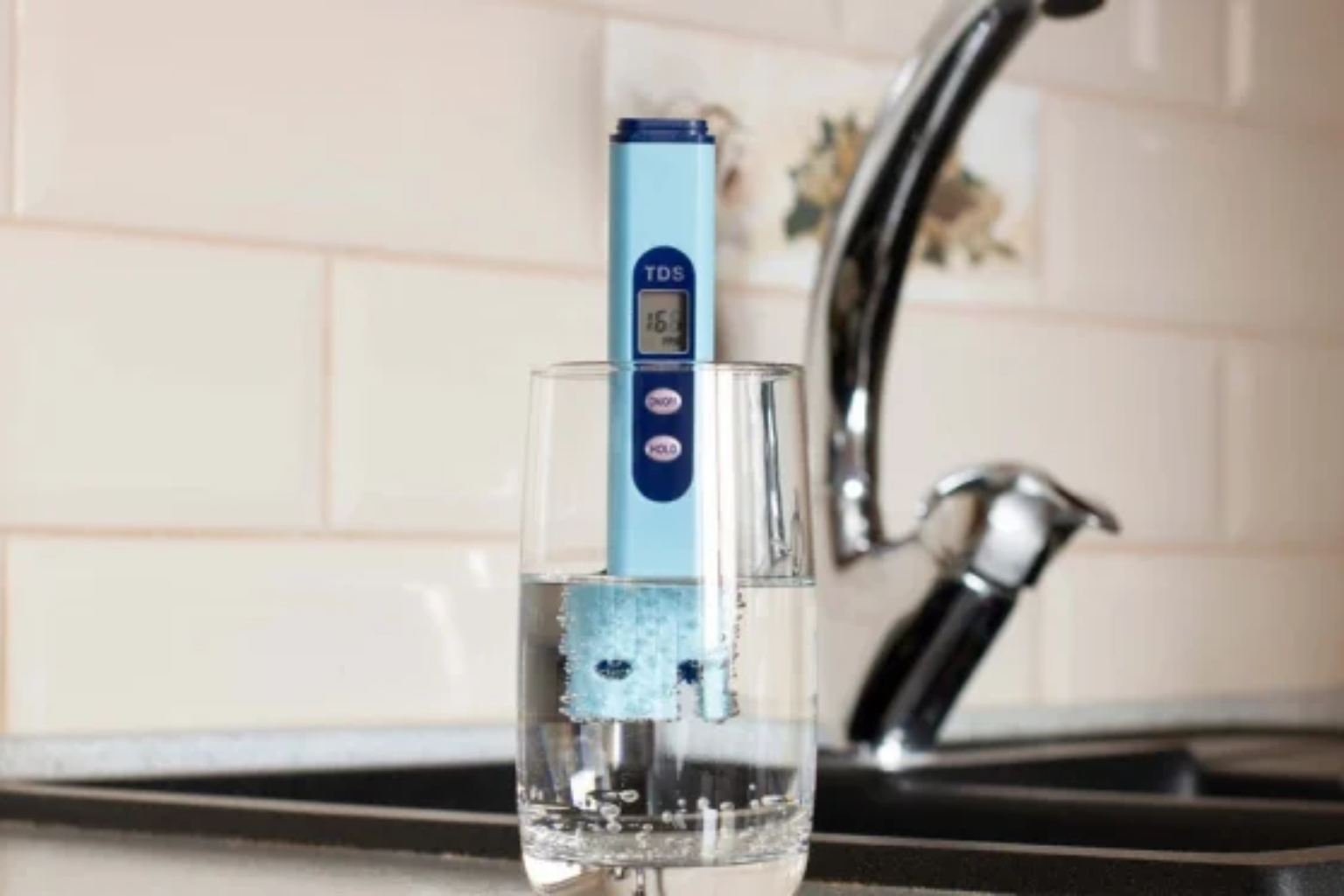
A proper water quality test doesn’t just check for sulfate. It looks at pH, hardness, iron, bacteria, nitrates, and other compounds that may interact with sulfate and amplify its effects. This matters because sulfate problems rarely exist alone.
Testing gives you clarity. Not guesses. Not assumptions. Real numbers.
And once you know what’s in your water, decisions become much easier. You’re no longer reacting—you’re responding with purpose.
Treatment Options That Actually Work
Here’s the encouraging part: sulfate is treatable.
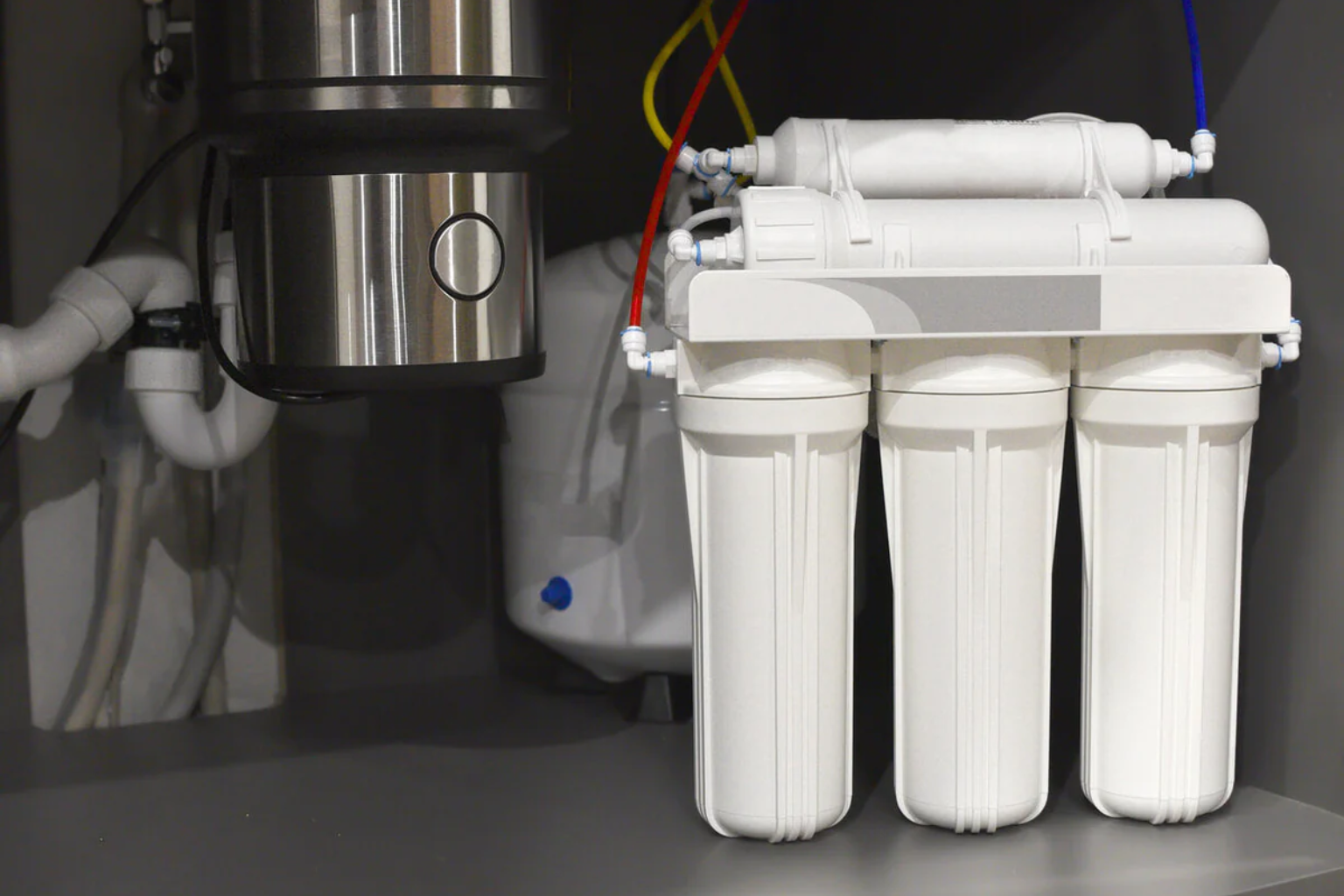
Depending on concentration levels, solutions can range from reverse osmosis systems at specific points of use to whole-house filtration setups designed to reduce mineral load. The key is matching the solution to the severity of the problem.
Low to moderate sulfate levels often respond well to targeted filtration for drinking water. Higher levels—especially those causing digestive distress—may require broader treatment strategies that protect both your health and your plumbing.
What doesn’t work? Random filters chosen based on marketing claims alone. Sulfate requires specific treatment methods. Anything else is just a bandage.
Why Waiting Rarely Helps
It’s tempting to delay action. Life is busy. The symptoms aren’t constant. The water still runs.
But sulfate issues don’t usually resolve themselves. Seasonal changes, drought conditions, or groundwater shifts can actually increase sulfate concentration over time. What feels manageable today might feel unbearable six months from now.
And if infants, guests, or older family members are drinking that water? The stakes quietly rise.
Addressing sulfate early isn’t about fear—it’s about control. It’s about choosing clean, reliable water instead of constantly wondering whether today’s glass will taste worse than yesterday’s.
A More Comfortable Relationship With Your Water
Once sulfate is under control, the difference feels immediate. Water tastes cleaner. Coffee improves. Cooking feels more predictable. You stop hesitating before pouring a glass. That constant low-level doubt disappears.
It’s not dramatic. It’s subtle. And that’s exactly the point.
Good water doesn’t demand attention. It fades into the background and lets life carry on without friction.
Final Thoughts: Trust Patterns, Not Excuses
If your water has a bitterness you can’t explain, if your stomach reacts unpredictably, or if you’ve quietly stopped enjoying drinking from your tap, pay attention. Those patterns matter.