There’s something quietly satisfying about having your own water source. A private well feels a bit more independent, a bit more connected to the land you live on. No monthly water bill, no waiting on city systems — just water, drawn straight from beneath your feet.
But if you’ve lived with well water for any length of time, you already know it comes with its own set of responsibilities.
It’s not just “turn on the tap and forget about it.” It’s more like a relationship. One that requires a little attention, a little understanding, and every now and then… a bit of troubleshooting.
When You Start Noticing the Subtle Changes
Most issues don’t show up overnight.
They creep in. Slowly.
Maybe the water starts tasting slightly metallic. Maybe there’s a faint smell when you first turn on the tap. Or those orange stains begin appearing in sinks and toilets, no matter how often you clean.
At first, it’s easy to ignore. You adjust. You clean more. You switch detergents or soaps, hoping it’ll make a difference.
But eventually, you realize the pattern isn’t going away.
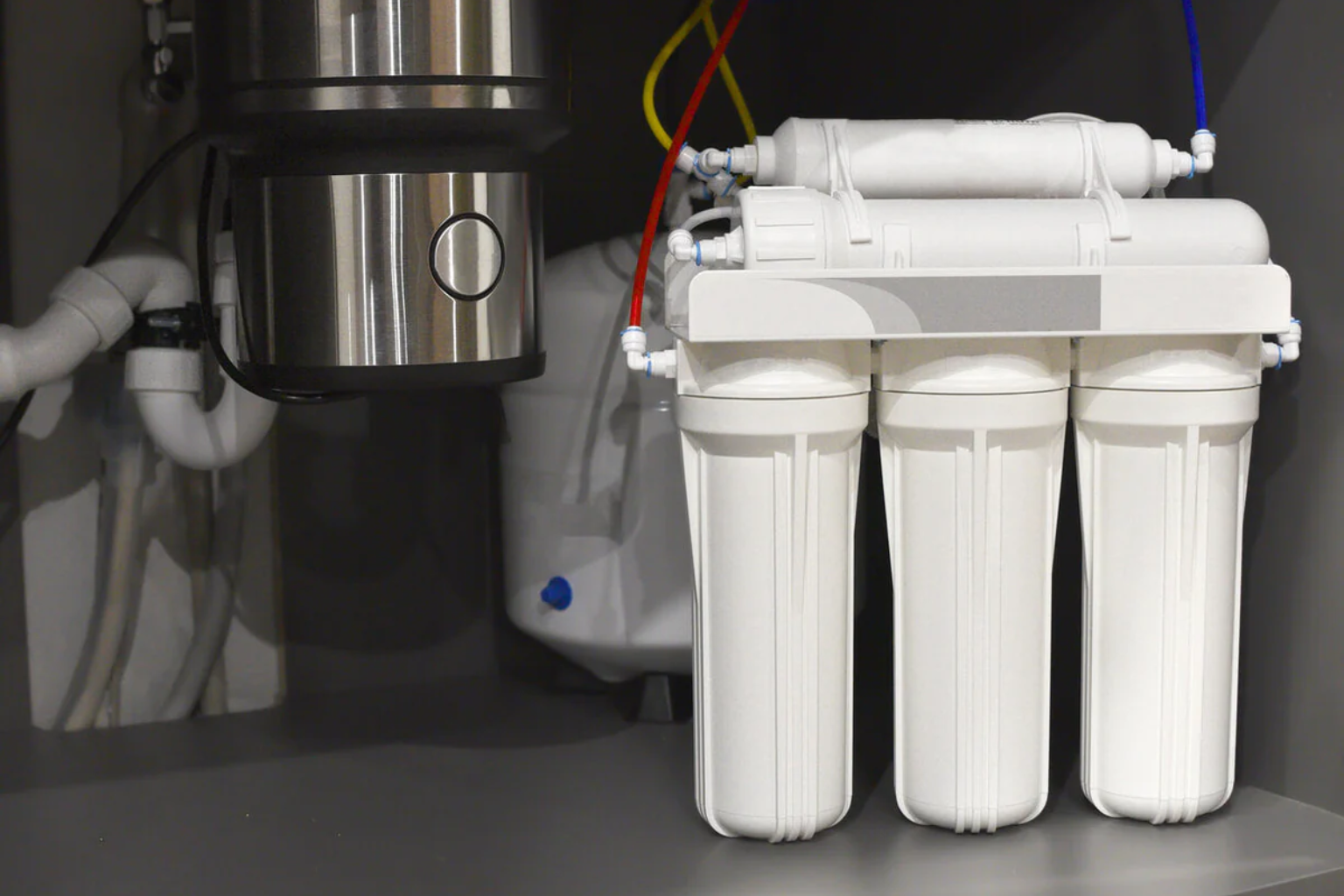
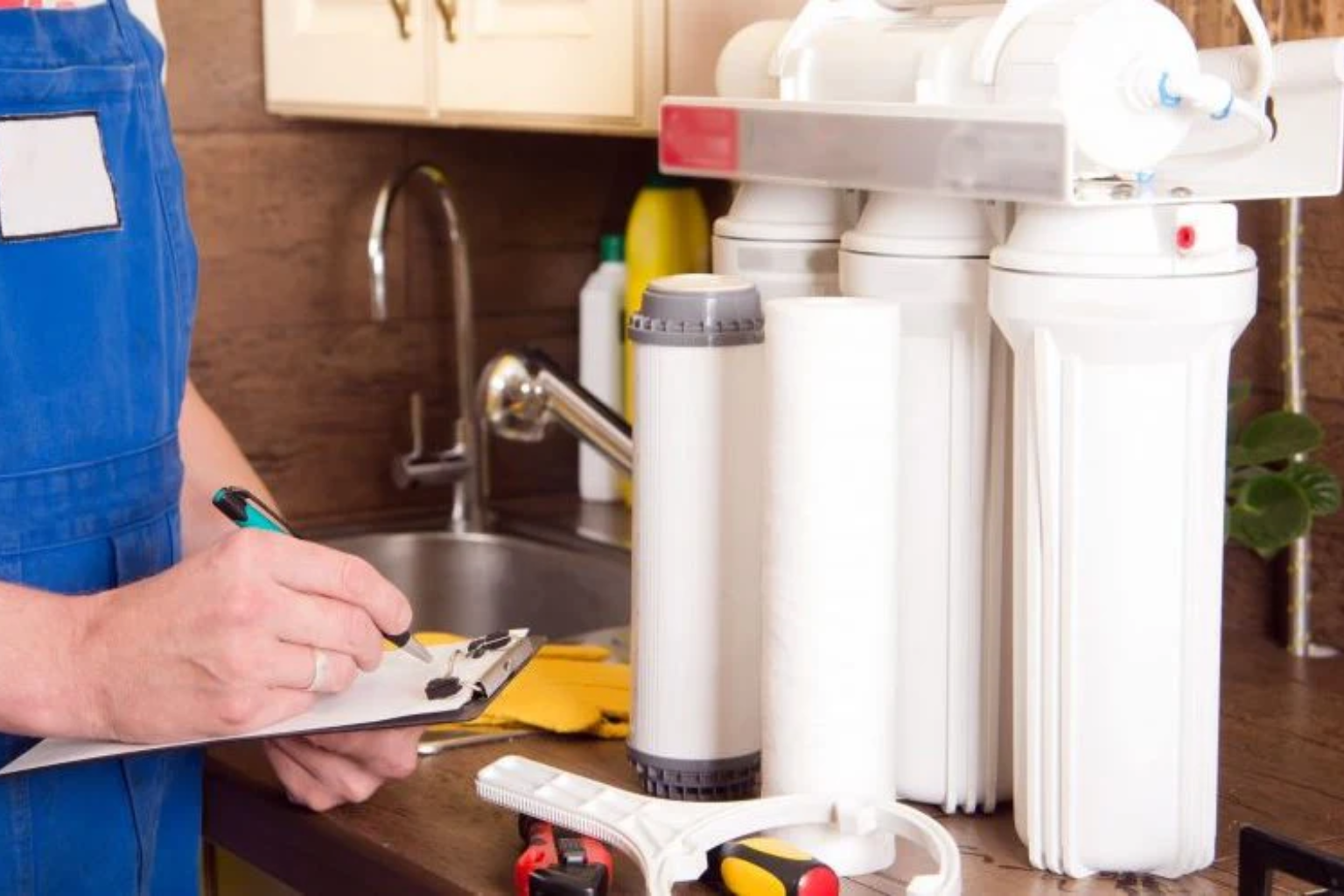
That’s usually when people begin looking into well water testing & treatment — not out of panic, but out of curiosity. They want to understand what’s actually in their water, not just guess.
And once you have that information, everything starts to make more sense.
The Things You Can’t See Still Matter
One of the challenges with well water is that many of the potential issues aren’t visible.
You can’t see bacteria. You can’t always taste it, either. But that doesn’t mean it’s not there.
That’s why regular testing becomes so important. It’s not about assuming the worst — it’s about staying informed. Knowing what you’re working with so you can make the right decisions for your home.
When it comes to safety, bacterial removal is often one of the key concerns people address. Not because every well has contamination, but because when it does happen, it’s something you want to catch early.
And once it’s handled properly, it’s one less thing to worry about.
The Stains, the Smell, and the Everyday Frustrations
Then there are the issues you can’t ignore — the ones that show up in your daily routine.
Iron is a big one. It leaves behind those stubborn rust-colored stains that seem to come back no matter how hard you scrub. It can also give water that slightly metallic taste that never quite feels right.
Sulfur is another common culprit, bringing that unmistakable “rotten egg” smell that can make even a simple glass of water feel unappealing.
These aren’t dangerous in most cases, but they’re definitely inconvenient.
That’s where iron & sulfur control becomes part of the solution. Not as a luxury, but as a way to bring things back to normal. To remove the constant reminders that something isn’t quite right.
Because water shouldn’t be something you have to work around.
It’s Not Just About Drinking Water
When people think about water quality, they often focus on what they drink. And that makes sense — it’s the most direct interaction.
But well water affects much more than that.
It’s in your showers, your laundry, your cooking. It touches almost every part of your daily life.
Hard or untreated water can make soap less effective. It can leave your skin feeling dry or your hair harder to manage. It can even affect how your clothes look and feel after washing.
So improving your water isn’t just about safety — it’s about comfort.
Finding the Right Balance for Your Home
One of the things you quickly learn with well water is that there’s no universal solution.
Every well is different. Even neighboring properties can have completely different water compositions. What works for one home might not be necessary — or effective — for another.
That’s why testing comes first.
Once you understand what’s in your water, you can choose a system that actually addresses your specific issues. Not a generic fix, but something tailored to your situation.
And that makes all the difference.
The Quiet Benefits You Don’t Expect
What’s interesting is how quickly you adapt once your water improves.
The stains stop appearing, so you stop thinking about them. The smell disappears, and you forget it was ever there. Your water tastes clean again, and you stop second-guessing it.
There’s no big moment, no dramatic change. Just a gradual shift back to normal.
And in many ways, that’s the goal.
A Different Kind of Responsibility
Owning a well comes with a different kind of responsibility compared to city water.
You’re in control, which means you’re also accountable. For testing, for maintenance, for making sure everything is working as it should.
It might sound like a lot, but in practice, it becomes routine.
A yearly test here, a system check there. Small steps that keep everything running smoothly.
And over time, it becomes second nature.
Bringing It All Together
Well water isn’t perfect, but it doesn’t have to be.
With a little attention and the right approach, it can be just as reliable — sometimes even better — than other sources. It just requires a bit more involvement.
Understanding what’s in your water, addressing the issues that matter, and maintaining the systems that support it — that’s really all it takes.
And once everything is in place, the water fades into the background again.
No stains. No smells. No second-guessing.
Just water, doing what it’s supposed to do.
Quietly, consistently, and without asking for attention — which, when you think about it, is exactly how it should be.