Walk through any busy hotel laundry room, manufacturing floor, or restaurant kitchen, and you’ll hear the hum of machines that never seem to stop. Boilers working overtime. Ice machines refilling. Dishwashers cycling endlessly. It’s easy to admire the visible parts of a business—the décor, the product, the service—but the real backbone often runs through something far less glamorous: water.
Commercial water systems don’t get applause. They don’t show up in marketing photos. Yet they quietly protect equipment, maintain quality, and keep operations running smoothly. And when water quality is overlooked? That’s when problems start whispering their way into daily workflows.
Why Water Quality Is a Business Issue, Not Just a Utility
At home, hard water might mean scrubbing the shower more often. In a commercial setting, it can mean thousands of dollars in equipment damage.
Mineral buildup forms scale inside heating elements, pipes, and valves. Over time, that scale reduces heat transfer efficiency and restricts water flow. Machines work harder. Energy costs creep up. Service calls become more frequent.
This is why many facilities invest in commercial water softeners. These systems are designed to handle higher volumes of water than residential units and operate continuously without interruption. By removing hardness minerals before water enters sensitive equipment, they extend machine lifespan and reduce maintenance headaches.
It’s not about luxury—it’s about operational protection.
The Volume Factor
In a busy café or hospital, water usage can reach levels that would overwhelm a standard household system in minutes. From steam tables to autoclaves, every department relies on consistent performance.
That’s where capacity truly matters. Commercial systems must treat large volumes quickly without sacrificing reliability. They need to regenerate efficiently, handle pressure variations, and operate without downtime.
Businesses can’t afford interruptions. A malfunctioning dishwasher during dinner rush or a boiler failure in a manufacturing plant isn’t just inconvenient—it’s expensive.
Purity and Precision in Certain Industries
Some industries require more than softened water. Laboratories, food processing plants, and pharmaceutical facilities often demand highly purified water with minimal dissolved solids.
In these environments, commercial ro systems become essential. Reverse osmosis technology pushes water through specialized membranes to remove a wide range of impurities. The result is consistent water quality suitable for precise applications.
It’s a step beyond basic softening. It’s about control—ensuring that production processes aren’t affected by fluctuations in water chemistry.
When product quality depends on water consistency, purification isn’t optional.
Beyond Softeners and RO: A Broader Approach
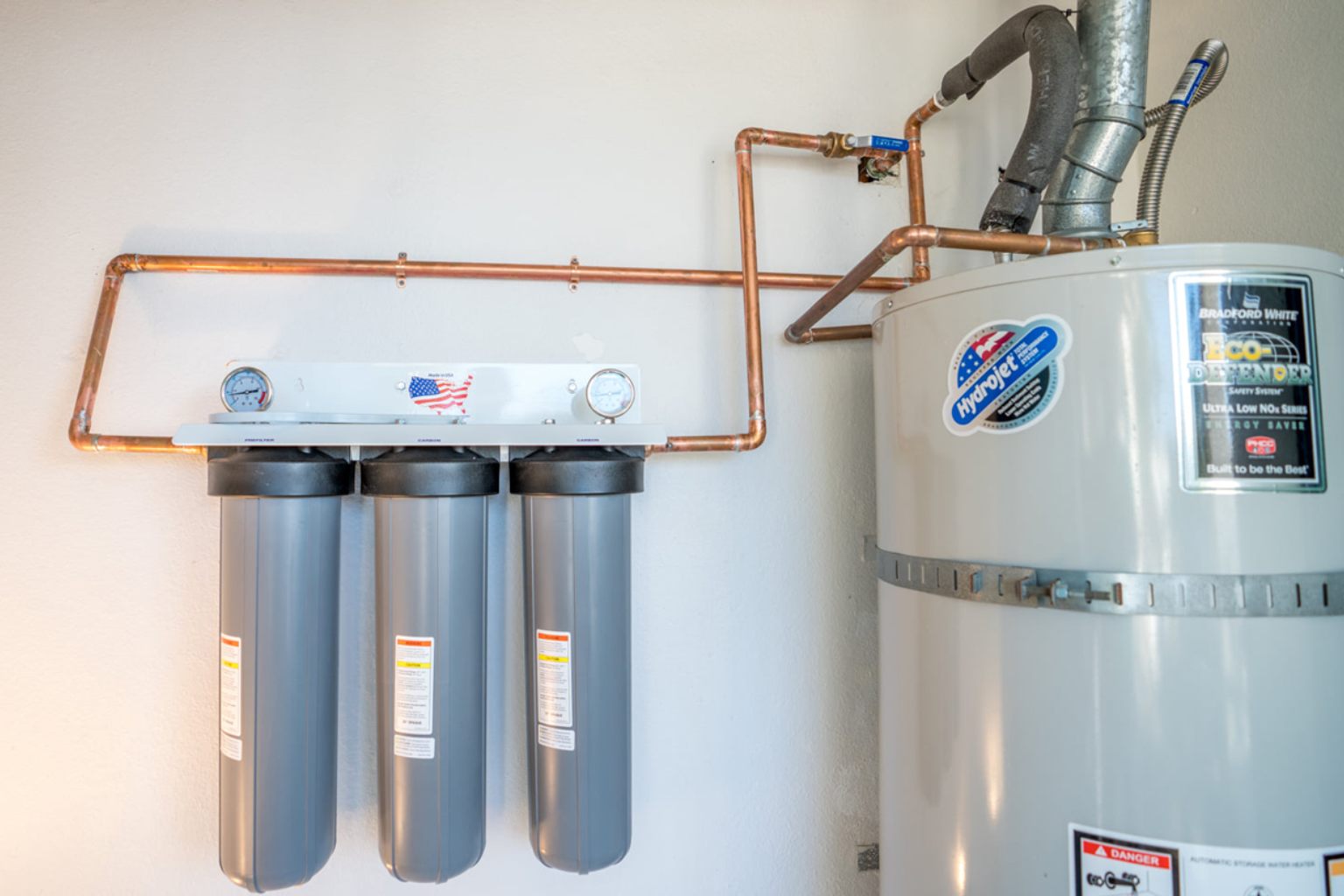
Large-scale facilities sometimes require more complex setups. Factories, power plants, and agricultural operations often depend on advanced industrial filtration systems designed for heavy-duty use.
These systems may include sediment filtration, carbon media, ultraviolet disinfection, or even custom-designed treatment trains tailored to specific contaminants.
Industrial filtration isn’t about aesthetics or taste—it’s about performance and compliance. Regulations, environmental standards, and operational efficiency all play a role.
And the scale is impressive. Thousands of gallons treated daily. Continuous monitoring. Automated controls ensuring stable output.
It’s engineering at work behind the scenes.
The Cost of Ignoring Water Treatment
It’s tempting to treat water as just another line item in the utilities budget. But ignoring quality issues can become far more expensive.
Scale buildup increases energy consumption. Equipment replacement cycles shorten. Unexpected downtime disrupts schedules. Even customer experience can suffer—cloudy ice, spotted glassware, inconsistent product flavor.
Investing in proper treatment often reduces long-term costs. It’s preventative maintenance on a broader scale.
And in competitive industries, consistency is everything.
Maintenance and Monitoring
No system runs forever without attention. Commercial units require routine inspections, media replacement, and performance testing.
Many businesses opt for service agreements to ensure consistent upkeep. It’s a proactive approach—catching minor issues before they escalate.
Monitoring tools now allow operators to track pressure levels, flow rates, and system efficiency in real time. That transparency supports smarter decision-making.
Reliability isn’t accidental. It’s maintained.
Sustainability Considerations
Water treatment also intersects with environmental responsibility. Efficient systems reduce waste, lower chemical usage, and extend equipment lifespan.
In industries under increasing pressure to meet sustainability goals, optimizing water quality becomes part of a broader strategy.
Treating water responsibly can align cost savings with environmental stewardship—a balance more companies are prioritizing today.
Customization Is Key
No two commercial facilities are identical. A brewery’s water needs differ from those of a hospital or textile manufacturer.
The most effective approach begins with water analysis and operational assessment. Understanding flow demands, contaminant levels, and performance goals ensures systems are sized and configured appropriately.
Off-the-shelf solutions rarely address complex commercial requirements fully.
Final Thoughts
Water doesn’t headline board meetings. It doesn’t win awards. But it quietly supports every aspect of daily operations.
From protecting expensive equipment to ensuring product consistency, effective water treatment plays a foundational role in commercial success.
Investing in the right system—whether softening, reverse osmosis, or advanced filtration—helps businesses operate more efficiently, reliably, and sustainably.
Because when water works the way it should, no one notices.
And in business, that kind of quiet reliability is priceless.