Let’s be real for a second. When’s the last time you gave much thought to your drinking water?
Probably not recently—unless it suddenly tasted weird, smelled off, or left a cloudy ring in your glass. Most of us trust the tap and just roll with it. We fill our bottles, make coffee, boil pasta, and figure it’s all good.
But here’s the thing: just because water is clear doesn’t mean it’s clean. And just because it’s labeled “safe” doesn’t mean it’s optimal. That’s why more households are starting to look at what’s actually in their water—and taking steps to do something about it.
Is Tap Water Really That Bad?
Short answer? Not always. But also… kinda.
Municipal water systems are required to meet certain health and safety standards. That’s great. But those standards aren’t always enough to remove every trace of chemicals, contaminants, or that “swimming pool” aftertaste you sometimes notice.
And if you’re using a private well? That’s a whole different story. There’s no treatment plant. No monitoring. It’s 100% on you to test and maintain it.
Add aging infrastructure, chlorine, lead from old pipes, pesticides from nearby farmland, or trace pharmaceuticals (yes, really), and suddenly your morning glass of water feels a little less refreshing.
That’s where reverse osmosis systems come into the picture—not as a luxury item, but as a smart, practical solution for anyone who just wants better water, plain and simple.
What Reverse Osmosis Actually Does (Without the Science Overload)
So what exactly is reverse osmosis, and why does it sound like something from a high school chemistry class?
Think of it like this: imagine a super-fine sieve that only allows water molecules to pass through—leaving behind everything else. Sediment, chlorine, fluoride, nitrates, heavy metals, bacteria… all of it gets blocked.
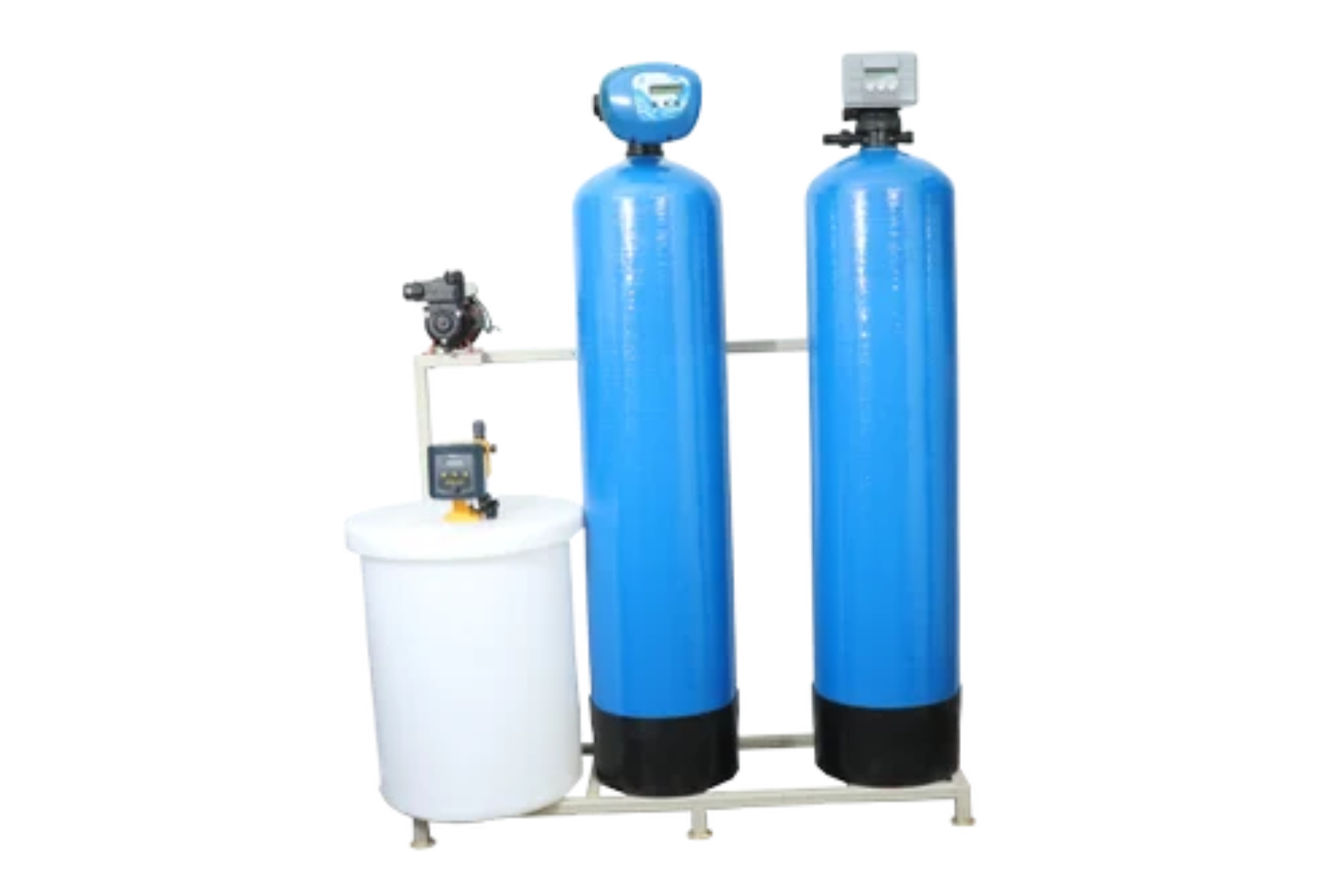
A reverse osmosis system typically has multiple filtration stages. You’ve got a sediment filter, a carbon filter, the semi-permeable RO membrane, and sometimes even a post-carbon polish. Together, these stages give you some of the purest water you can get from a home system.
No smell. No weird taste. No guessing.
Just crisp, clean, confident water.
What It Means to Actually Taste Clean
Here’s a simple test. Fill a glass from your kitchen tap. Then fill another from a pitcher of RO drinking water (if you’ve got access to it). Taste them side by side.
Chances are, the tap water will have a slightly flat or chemical edge. Maybe it tastes like the inside of a hose. Maybe it’s a little metallic. Maybe it’s fine—just not great.
The RO water? Probably smooth. Neutral. It disappears down your throat like it’s supposed to. No aftertaste. No lingering questions. It’s the kind of water that makes your tea taste better, your ice cubes clearer, and your coffee just a little more balanced.
It’s a small shift, sure—but one you feel every day. And over time? That adds up.
“Isn’t RO Water Too Pure?”
There’s a myth floating around that RO systems strip too much—that they remove beneficial minerals and make the water “too clean.” Here’s the truth: yes, RO does remove most minerals. But those trace minerals (like calcium and magnesium) are typically not a significant source of daily nutrition.
You get the real stuff from food. Not from your faucet.
If you’re concerned, many systems come with a remineralization filter that adds a touch of those minerals back in—just enough to balance the taste, but not enough to reintroduce the junk you filtered out in the first place.
So no, your RO system isn’t leaving your body nutrient-starved. It’s just doing its job.
Long-Term Value That’s Easy to Miss
Sure, reverse osmosis systems have a price tag. They need installation (though it’s usually straightforward) and occasional maintenance—mainly filter replacements. But think about the money you’re probably spending on bottled water. Or pitcher filters. Or replacing that cloudy kettle every year.
RO systems are a long-term solution. A good one can last 10–15 years or more with basic upkeep. Over time, that’s money saved—not to mention fewer plastic bottles, less waste, and a heck of a lot more convenience.
No lugging cases of water. No running out mid-week. No second-guessing what’s in your glass.
Not Just for Drinking, Either
We talk a lot about drinking water, but let’s not ignore the ripple effect. Cooking pasta with RO water? It won’t change your life, but it might change your sauce. Tea and coffee brewed with clean water? Noticeably better. Baby formula made with filtered water? That’s one less thing to stress about.
Even your pets benefit from better water. (Yes, the dog deserves pure hydration, too.)
And while whole-house systems are an option, most folks start with a simple under-sink RO system that connects to a single faucet—usually in the kitchen. It’s an easy entry point into cleaner living without overhauling your entire plumbing setup.
Final Pour: What Do You Want From Your Water?
Look, no one’s saying your tap water is toxic. But if you’re relying on a 50-year-old city pipe or a well that hasn’t been tested in a decade, it might not be doing you any favors, either.
Water is one of those rare things you use all day, every day—without thinking. You shower in it. Cook with it. Hand it to your kids. Fill your coffee pot. Water your plants.