Let’s talk about something awkward. You’re running the tap, maybe gearing up for a relaxing shower or filling a glass of water—and suddenly, it hits you. That unmistakable, nose-wrinkling, ugh-what-is-that kind of stench. It’s like rotten eggs, and it’s coming straight out of your faucet.
Now, this isn’t just a weird fluke. It’s a signal. A little sign from your plumbing saying, “Hey, something’s not quite right in here.” If your water smells like it belongs more in a sulfur spring than a suburban kitchen, there’s probably something lurking beneath the surface that needs your attention.
The Mystery Behind That Smell
That rotten eggs smell you’re experiencing? It’s usually a sign of hydrogen sulfide gas in your water. While it sounds a bit like something out of a chemistry class (and it is), in everyday terms, it’s a stinky compound that’s surprisingly common in well water systems and sometimes even municipal supplies.
Hydrogen sulfide doesn’t just offend your senses. It can corrode pipes, tarnish silver, and, over time, cause headaches—literally and figuratively. It’s not dangerous at the levels commonly found in water, but it sure makes living with it unpleasant.
So, Where’s It Coming From?
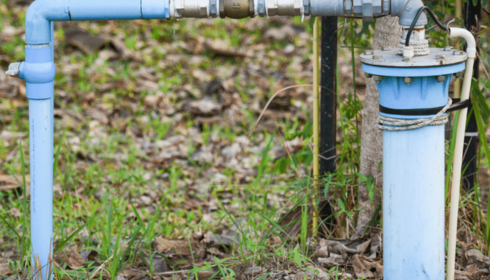
There are a few usual suspects behind that smell. One of the biggest culprits? Sulfur bacteria. These microorganisms naturally occur in soil and water and can sneak their way into your well or plumbing. Once inside, they feed off sulfur and organic matter, creating hydrogen sulfide as a byproduct.
Another source can be chemical reactions inside your water heater, especially if it has a magnesium anode rod. That rod reacts with the sulfate in water and produces—you guessed it—hydrogen sulfide gas.
Oh, and let’s not forget groundwater with naturally occurring sulfates. In some areas, your water just picks up the stink as it filters through layers of rock. It’s not trying to ruin your day. It’s just…geology doing its thing.
Not Just a Nose Problem
Smelly water isn’t just unpleasant—it’s inconvenient and, in some cases, costly. You’ll notice stains on your fixtures, maybe a black residue on your dishwasher, or that your laundry comes out a little funky. Coffee might taste odd. Tea? Worse. Even brushing your teeth can feel like an act of endurance.
Worse yet, prolonged exposure to hydrogen sulfide can lead to corrosion of metal parts in your appliances and plumbing. That means you’re not just fighting a smell—you’re staring down potential repair bills in the not-so-distant future.
Testing: The Starting Line, Not the Finish
Before you can fix anything, you’ve got to understand what you’re dealing with. And that starts with proper testing.
A water test will help determine:
- If the smell is caused by bacteria, your water heater, or the water source itself.
- The level of hydrogen sulfide present.
- Whether other issues (like iron, manganese, or acidity) are tagging along for the ride.
Don’t rely on guesswork here. While the nose knows something’s off, only a real test can tell you what and how much.
Tackling the Problem: One Fix Doesn’t Fit All
Once you’ve got your test results, it’s time to roll up your sleeves. There are different solutions depending on where the issue originates.
If sulfur bacteria is the source, shock chlorination (flushing your well and plumbing with a chlorine solution) can help wipe the slate clean. But that’s usually a temporary fix. Those bacteria are stubborn and may come back, especially if the root problem isn’t addressed.
For hydrogen sulfide in your well water, an aeration system or oxidizing filter might do the trick. These systems essentially expose the gas to air, converting it into a solid that’s easier to filter out.
If your water heater is the problem, replacing the magnesium anode rod with an aluminum or zinc alternative can curb the reaction causing the odor. And flushing the heater regularly helps too.
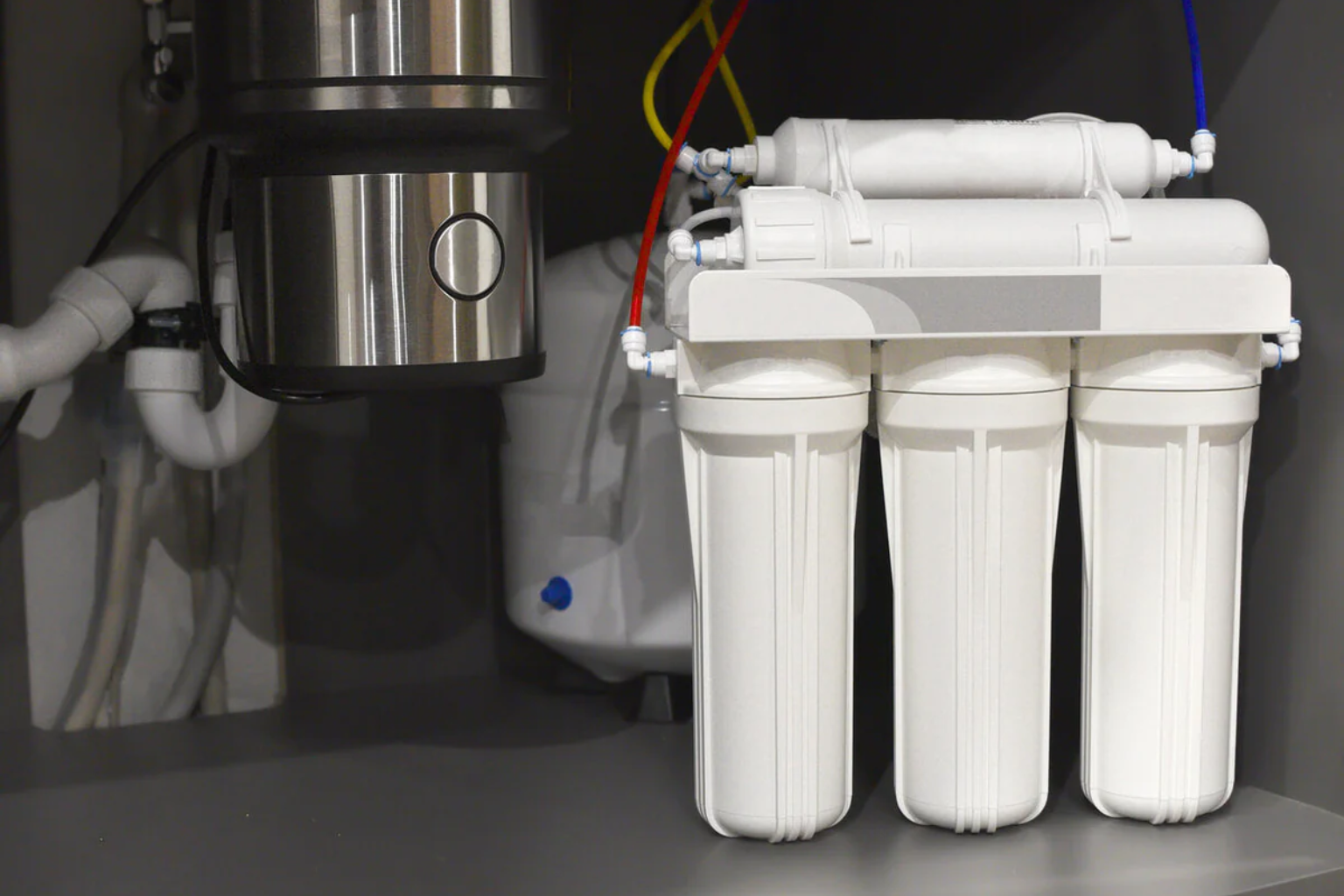
And for folks with high levels of multiple contaminants (like iron, manganese, and hydrogen sulfide), a multi-stage filtration system might be the best long-term solution. Think of it as a spa day for your water.
When DIY Isn’t Enough
Let’s be real. Some things you can handle with a YouTube video and a free afternoon. Others? Not so much. If your system is complex, or the problem keeps coming back, it’s probably time to call in a professional. There’s no shame in outsourcing—especially when it comes to something you drink, bathe in, and use every day.
Professional water treatment companies can help you design a system that fits your home, water source, and budget. Plus, they’ll help with maintenance and testing, so you’re not flying blind six months down the line.
Prevention > Panic
Like anything else in your home, water systems do better with a little love and upkeep. Routine testing, annual checkups, and quick action when something smells off can save you from costly repairs and daily inconvenience.
Installing a filter doesn’t mean you’re done forever. Keep tabs on filter changes, check for sediment, and schedule regular service if you have a more advanced setup.
Also? Don’t wait until guests are over and your bathroom smells like a hot spring. The sooner you act, the easier it is to fix.
Beyond the Nose: Water That Works for You
Here’s the bottom line: water shouldn’t be a hassle. It should be clean, clear, and totally unnoticeable (in the best way possible). When something’s off, especially a rotten eggs smell, that’s your house raising a little red flag.
You deserve better water. And better water doesn’t just mean better taste—it means a better experience every time you wash, cook, clean, or sip.
Closing Thoughts: Trust Your Senses
We don’t give our noses enough credit. They’re not just for sniffing out fresh cookies or warning you when the milk’s turned. They’re early warning systems for your home—and your health.
If your water smells like sulfur or your pipes are spitting air or rust, it’s time to look deeper. Test. Treat. Tweak. And if needed, team up with someone who knows the ins and outs of hydrogen sulfide and water chemistry like the back of their hand.