Most people don’t think much about their water. It’s there when you turn the tap, it runs clear most of the time, and it seems to do its job. But if you pause for a second and really notice your daily routine, you’ll realize just how deeply water shapes your comfort, your health, and even your mood.
It’s the first thing you use in the morning and the last thing you rely on before going to bed. From coffee brewing to laundry cycles, from quick hand washes to long showers after exhausting days — water quietly threads through almost everything we do.
So when the quality of that water improves, the change isn’t loud or dramatic. Instead, it unfolds slowly, like background noise fading away until you suddenly notice how peaceful everything feels.
The Invisible Impact of Everyday Water
The truth is, most water issues aren’t obvious. They don’t always come with strong odors or visible discoloration. Often, they show up through subtle inconveniences that people learn to live with.
Maybe your skin feels slightly dry after showering. Perhaps your hair never quite feels fully clean. Or you notice white residue forming inside kettles, on faucets, or even around your showerhead.
None of these things feel urgent, yet they quietly chip away at everyday comfort.
Improving water quality often means removing those small irritations. And once they’re gone, life doesn’t feel different in a dramatic way — it just feels smoother, easier, more comfortable.
Clean Water and the Feeling of Real Comfort
One of the first changes people notice when water quality improves is how their bodies respond. Skin feels less tight after bathing. Hair becomes softer, more manageable, and easier to style.
These benefits come from reducing unwanted minerals, chlorine, and contaminants that can interfere with natural moisture.
In many cases, advanced treatment systems are designed to remove up to 99% contaminants, which helps eliminate substances that contribute to dryness, irritation, or unpleasant taste.
This isn’t just about aesthetics — it’s about restoring balance. Water should support your well-being, not quietly work against it.
The Kitchen Experience Changes Too
Interestingly, the kitchen often becomes the place where water improvements are most noticeable.
Coffee tastes richer. Tea brews clearer. Vegetables rinse clean without leaving residue. Even cooking feels slightly different when the water being used is free from unwanted chemicals and minerals.
You might not immediately connect these improvements to water quality, but over time they become impossible to ignore.
People often find themselves drinking more water simply because it tastes better — and that alone can have meaningful effects on hydration and overall health.
Thinking Beyond Just Drinking Water
When people talk about water quality, they usually focus on what they drink. But in reality, drinking water accounts for only a small portion of household water use.
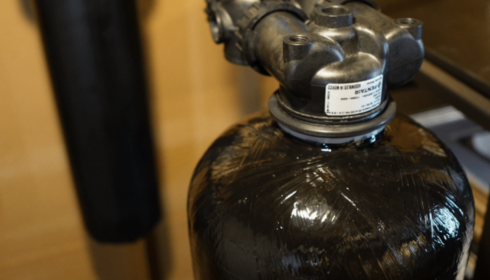
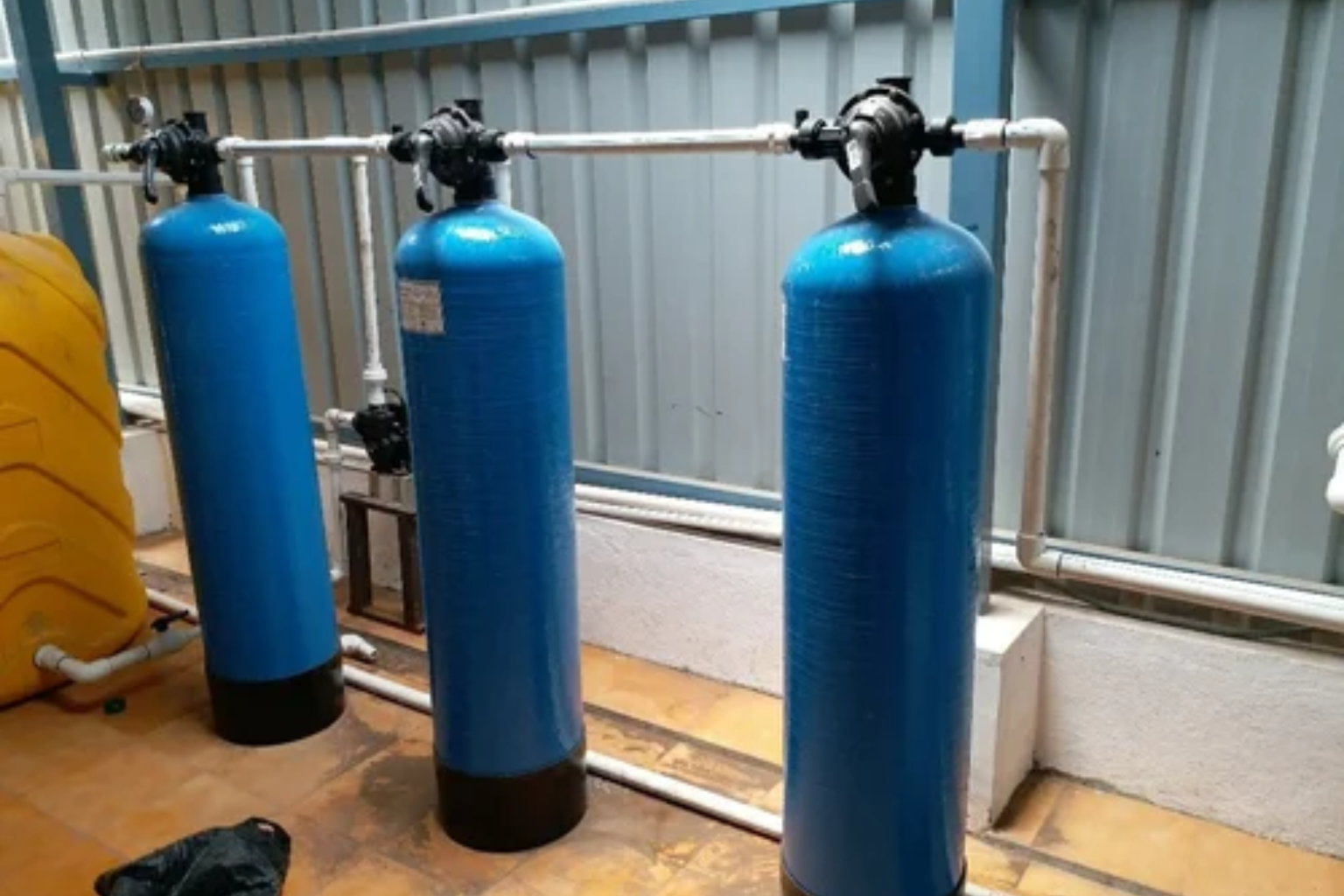
Water flows through showers, washing machines, dishwashers, sinks, and plumbing systems every single day. That’s why many homeowners begin considering solutions that provide clean water for entire home, rather than treating only a single faucet.
This whole-house approach ensures consistency. Every tap delivers the same quality. Every appliance benefits from reduced buildup. Every shower feels cleaner and more refreshing.
It transforms water quality from a localized improvement into a complete lifestyle upgrade.
Protecting Your Home’s Hidden Systems
Beyond personal comfort, better water quality quietly protects the infrastructure inside your home.
Minerals and contaminants can accumulate inside pipes, water heaters, and appliances over time. This buildup reduces efficiency, increases energy consumption, and may lead to costly repairs.
When water is properly treated, these risks decrease significantly. Appliances run more efficiently, plumbing remains cleaner, and maintenance becomes less frequent.
It’s one of those long-term benefits people don’t always think about until they experience the difference firsthand.
The Emotional Side of Better Water
There’s also something surprisingly emotional about improving water quality.
It creates a sense of peace — knowing that something so essential to daily life is reliable, clean, and supportive of your health.
Families often describe feeling more confident about what they drink, cook with, and bathe in. That peace of mind is difficult to measure, yet deeply valuable.
When people talk about wanting healthier water, they’re not just referring to chemical composition. They’re talking about trust — trust in something they use dozens of times every single day.
Environmental Benefits You Might Not Expect
Improved water quality also brings environmental advantages that many homeowners don’t anticipate.
Better-tasting tap water reduces reliance on bottled water, which helps cut plastic waste. Cleaner water often requires less detergent and fewer cleaning products, lowering chemical runoff.
Even energy consumption can decrease when appliances operate more efficiently due to reduced mineral buildup.
These changes may seem small individually, but together they contribute to a more sustainable household.
Why the Difference Feels So Subtle — Yet So Important
The most interesting thing about better water quality is how quietly it enhances everyday life.
There’s no dramatic moment when everything suddenly feels different. Instead, the improvement reveals itself gradually.
Your morning coffee tastes richer. Your skin feels more comfortable. Your appliances run more smoothly. You drink more water without thinking about it.
And eventually, you realize something important — your daily routines feel lighter, simpler, and more enjoyable.
A Small Change With Lasting Effects
In the end, improving water quality isn’t about luxury or convenience alone. It’s about investing in something foundational — something that touches nearly every part of daily life.
It’s about comfort, health, efficiency, and peace of mind, all working together quietly in the background.
Because when water works exactly the way it should, you don’t spend time thinking about it.
You simply live better — one glass, one shower, one ordinary moment at a time.