There’s something grounding—maybe even nostalgic—about drawing water from beneath your own feet. It’s not just water anymore. It’s your water. Pulled from deep underground, untouched by city infrastructure, free of chlorine smell and municipal treatment. But as beautiful as that sounds, well water doesn’t come without its quirks. Or responsibilities.
If you’re one of the millions relying on a private well, you’ve likely found yourself wondering about the quality, safety, and feel of the water you use every day. And if you haven’t yet… you will. So let’s talk about the real-life side of managing your own water supply—with a little less jargon and a lot more honesty.
That Earthy Taste in Your Coffee Isn’t Always Romantic
At first, well water can feel charming—fresh, cold, real. Until your white laundry turns brown, your faucets stain, or your morning coffee starts tasting like a penny. Well water doesn’t get the benefit of centralized filtration or chemical disinfection. That means you’re not just the consumer—you’re the caretaker.
This is where well water treatment becomes less of a luxury and more of a lifestyle. You’re not trying to turn your water into something it’s not—you’re just trying to make it work better for you, your health, and your home.
No One Else is Testing It—So You Have To
The thing about city water? It’s tested. Monitored. Filtered. Regulated. Your well water? Not so much. Nobody’s coming around with a clipboard unless you invite them. If something feels off—or even if it doesn’t—regular water testing is your best friend.
Testing helps you figure out exactly what’s in your water: iron, manganese, calcium, sulfur, bacteria, nitrates… maybe even arsenic in rare cases. You don’t need to be scared. But you do need to be informed.
Start with a basic test once a year. If your water changes taste, color, or smell—or if you’ve just moved in—bump that timeline up. Think of testing as getting to know your water on a deeper level.
Not All Private Wells Are Created Equal
Let’s not lump everyone into the same bucket. The challenges of a shallow well in sandy Florida are wildly different from those of a deep rock well in rural Montana. That’s why broad advice doesn’t always cut it when it comes to private water systems.
You have to think locally. What’s in your soil? How far down is your aquifer? Are you near farmland? Is your area prone to flooding? What’s the seasonal rain like?
The answers to these questions shape the entire water care strategy—whether you need filtration, softening, UV disinfection, or all of the above.
Filters, Softeners, UV Lights—Which Do You Actually Need?
The short answer: not all of them. The long answer: it depends entirely on your water profile.
Here’s the human breakdown:
- Sediment filters catch dirt and particles so your appliances last longer.
- Softeners help with calcium and magnesium—great if you’re tired of soap scum.
- Iron filters keep your sinks from turning orange and your water from tasting metallic.
- Activated carbon removes bad tastes and odors.
- UV purifiers zap bacteria and viruses without chemicals.
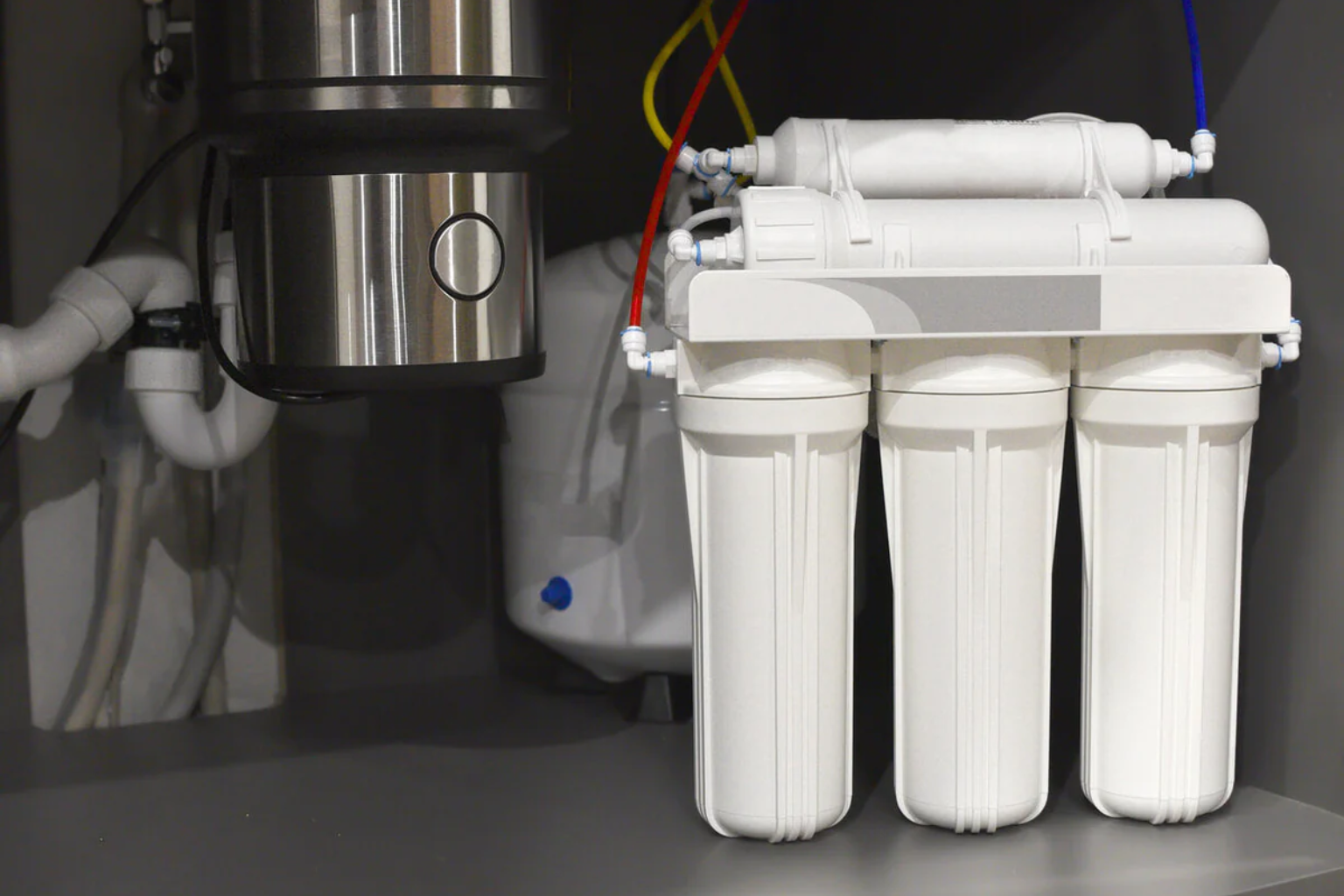
- Reverse osmosis systems work for ultra-clean drinking water.
You don’t need the whole buffet. Just pick what actually matches your water’s personality.
When Your Water “Smells Funny”
You know that moment when you turn on the shower and get a whiff of rotten eggs? That’s hydrogen sulfide gas—commonly found in well water. Totally fixable. Just… not pleasant.
Maybe you’ve spotted orange rust stains in your tub. That’s iron.
Or your soap doesn’t lather? That’s hard water, full of calcium and magnesium.
The point is, these signs aren’t just nuisances. They’re your water’s way of saying, “Hey, something’s up.”
Protecting More Than Just Your Tap
Treating well water isn’t only about drinking quality. It’s also about protecting everything it touches. Your water heater, dishwasher, washing machine, and even your plumbing can suffer from unfiltered, untreated water.
Hard water builds up scale. Iron clogs things. Sediment damages seals and valves. Over time, untreated well water can silently shorten the life of your expensive home systems.
Investing in treatment now often saves you thousands in repairs and appliance replacements later. It’s less about panic, more about peace of mind.
Let’s Talk About Taste, Shall We?
Sometimes, treated well water tastes better than city water. Cleaner. More natural. But untreated water? Not always so lucky.
If your tea has a metallic twang or your soup smells like sulfur, chances are your water’s trying to get your attention. Taste is personal, but it’s also a strong indicator of water chemistry.
A simple filtration system—paired with smart treatment based on testing—can bring your water’s taste from “meh” to “mmm.”
Common Mistakes New Well Owners Make (And How to Avoid Them)
Let’s be real for a moment. Everyone fumbles in the beginning. Here are a few common goofs to avoid:
- Assuming clear water = clean water
Just because it looks good doesn’t mean it is good. - Skipping annual tests
Out of sight shouldn’t mean out of mind. - Overbuying treatment systems without testing
Don’t solve a problem you might not even have. - Neglecting your well casing or pump
Mechanical issues can affect water quality, too. - Not talking to neighbors
They’ve likely dealt with similar water challenges and can offer local wisdom.
The Emotional Side of Owning Your Water Source
Nobody talks about this enough: the feeling of taking ownership over your water is empowering. There’s something deeply satisfying about learning to care for it, monitor it, treat it, and trust it. You begin to notice seasonal shifts. You pay attention to rainfall. You learn the subtle differences between good days and weird days.
That kind of awareness builds confidence—not just in your water, but in your home.
A Thoughtful Wrap-Up
Well water isn’t just a utility—it’s a living part of your home. And like anything worth having, it requires a little attention, a little learning, and a little love.