Most of us assume water is simple. It comes from the tap, looks clear, and does what it’s supposed to do. End of story. But if you’ve ever noticed a strange taste, stubborn stains on sinks, or laundry that feels oddly stiff, you’ve probably had that quiet moment of realization — maybe your water isn’t quite as “normal” as you thought.
And that’s actually pretty common.
Water isn’t identical everywhere. It carries traces of the environment it passes through — minerals from underground rock, natural elements from soil, and sometimes even leftover treatment chemicals. Over time, these characteristics can start affecting everyday life in subtle but noticeable ways.
Understanding your home’s water doesn’t mean becoming a chemist overnight. It just means paying attention to the signs and knowing there are solutions designed to improve both quality and comfort.
Why Water Quality Varies More Than You Think
One of the biggest misconceptions about water is that municipal treatment guarantees identical quality everywhere. In reality, the water entering your home is influenced by multiple factors — local geology, infrastructure age, seasonal changes, and even plumbing materials.
For example, groundwater in some regions naturally contains higher levels of minerals like calcium, magnesium, or iron. While not always harmful, these elements can impact taste, efficiency, and usability.
This variability explains why two homes just a few miles apart may experience completely different water issues.
Recognizing this helps homeowners understand that water quality is highly personal — and solutions often need to be tailored accordingly.
The Everyday Impact of Hard Water
Hard water is one of the most widespread household challenges. It contains dissolved minerals that leave behind residue when water evaporates.
Over time, this residue accumulates inside pipes, appliances, and fixtures. Soap becomes less effective, leaving film on dishes and skin. Heating systems must work harder due to mineral buildup, increasing energy costs.
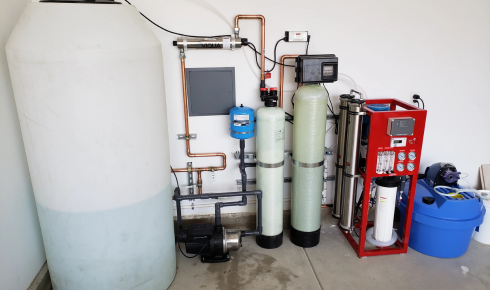
This is why many homeowners install residential water softeners to reduce mineral levels. Softening systems help improve cleaning efficiency, extend appliance lifespan, and enhance overall water usability.
Once installed, many people notice an immediate difference in how water feels and performs.
Improving Drinking Water Quality at Home
Beyond hardness, many homeowners also focus on improving the taste and purity of their drinking water. Even treated municipal water can contain chlorine residues or trace contaminants that affect flavor.
Advanced filtration technologies such as residential reverse osmosis systems provide a solution by removing dissolved solids and impurities at a microscopic level.
These systems produce water that tastes noticeably cleaner and more consistent, making everyday hydration more enjoyable.
For families concerned about water quality, this added level of purification offers reassurance.
Addressing Iron and Staining Issues
Another common household water challenge involves iron content. Water containing iron often leaves reddish or brown stains on sinks, bathtubs, and laundry.
Iron can also create metallic tastes and contribute to plumbing buildup over time.
Installing iron filtration systems helps remove these particles before water enters the home’s distribution system.
By addressing iron at the source, homeowners can protect fixtures, improve taste, and prevent long-term maintenance issues.
Proper filtration transforms both water appearance and usability.
The Financial Benefits of Water Treatment
Investing in water treatment solutions may seem like an optional upgrade, but it often leads to significant long-term savings.
Mineral buildup can damage water heaters, reduce appliance efficiency, and increase repair costs. Hard water also shortens the lifespan of plumbing systems.
Treating water proactively helps prevent these issues, lowering maintenance expenses and improving overall efficiency.
Over time, better water quality often proves to be a cost-effective investment.
How Water Quality Affects Daily Comfort
Water plays a surprisingly emotional role in everyday life. Clean, balanced water enhances simple routines — from morning showers to cooking meals.
Softened water can feel gentler on skin and hair. Filtered drinking water encourages healthier hydration habits.
When water quality declines, these small comforts disappear gradually, creating subtle frustration.
Reliable water treatment helps restore that sense of consistency and ease.
Comfort often comes from stability.
Simple Steps to Maintain Water Quality
Even after installing treatment systems, homeowners can take practical steps to maintain performance.
Helpful habits include:
- Replacing filters regularly
- Scheduling periodic system inspections
- Flushing water heaters to remove sediment
- Monitoring water pressure levels
These actions help ensure that water systems continue operating efficiently over time.
Consistency plays a key role in long-term reliability.
Choosing the Right Water Treatment Approach
Every home has unique water characteristics based on location, infrastructure, and usage patterns. This is why personalized assessments often provide the best results.
Professional water testing identifies specific issues, allowing homeowners to select targeted solutions rather than relying on generic equipment.
Combining accurate information with appropriate treatment technology leads to the most effective outcomes.
Knowledge and strategy go hand in hand.
A Final Thought: Understanding the Water You Live With
Water is one of the most essential yet overlooked aspects of daily life. It supports health, comfort, and countless household routines without drawing attention.
But improving water quality begins with understanding what’s already present.
By addressing hardness, filtration needs, and specific contaminants, homeowners can transform their water into a reliable, comfortable resource.
Because ultimately, better water isn’t just about clarity.
It’s about creating a smoother, healthier, and more dependable everyday experience — one that flows quietly through every part of life, just as it should.