Most homeowners don’t think about water systems until something feels slightly off. It’s usually not dramatic — no sudden floods or obvious failures. Instead, it starts with small things. A shower that takes longer to build pressure. A tap that sputters for a moment before flowing normally. A washing machine cycle that seems slower than usual.
These little signs rarely feel urgent, so they’re easy to ignore. But over time, they often point to a deeper reality: your home’s water system is a living network of components that needs care, attention, and occasional maintenance.
Water systems don’t demand constant supervision, but they do quietly depend on it.
Why Water Infrastructure Is More Complex Than It Looks
At first glance, water delivery seems simple. Pipes carry water from a source to your taps, and that’s it — or at least that’s what most people imagine. In reality, the system is far more intricate.
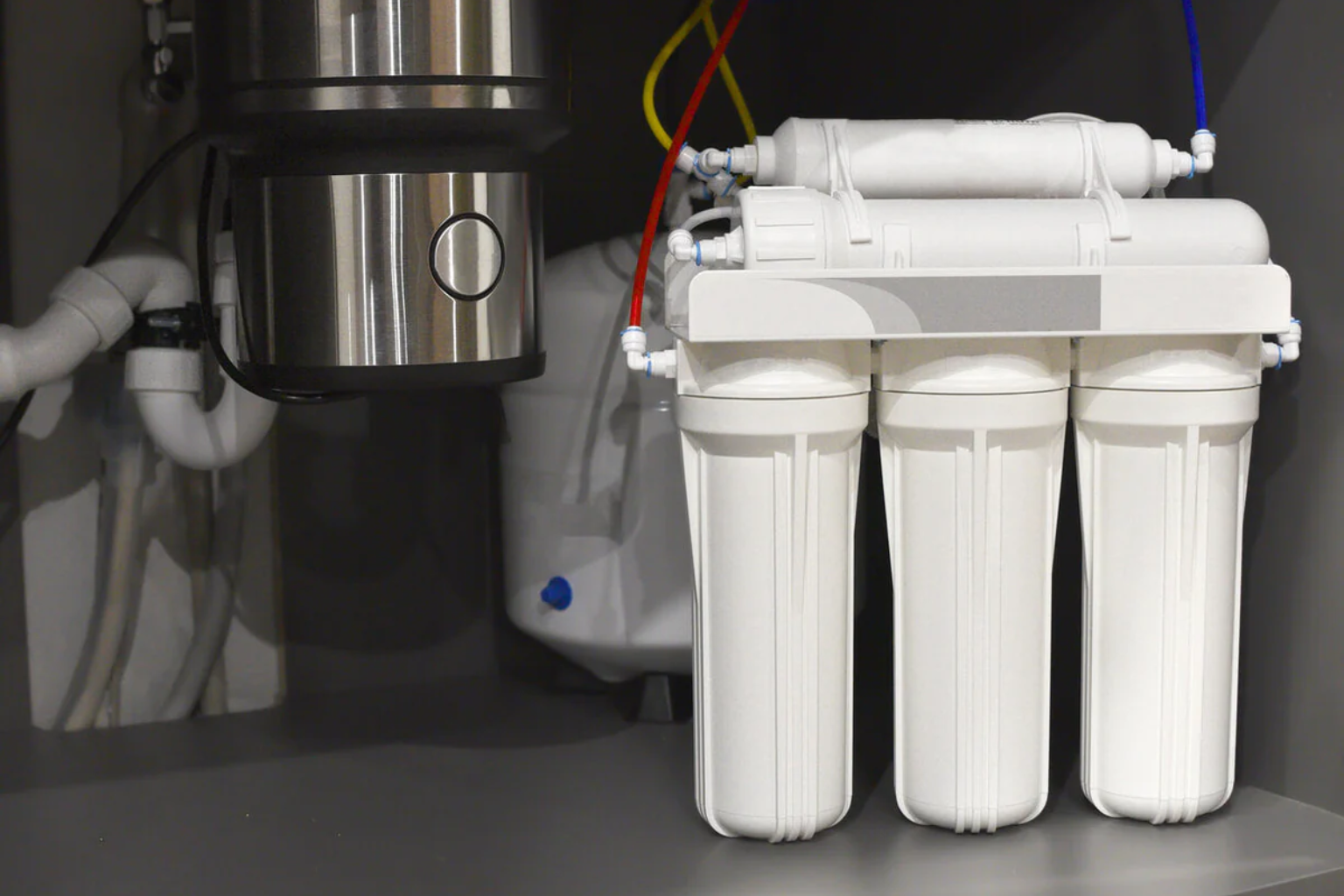
It includes pressure regulators, pumps, valves, filtration units, and storage tanks. Each part must function properly for the entire system to work efficiently.
If one component begins to struggle, the effects can ripple throughout the system. Pressure may fluctuate, water flow can slow, and appliances might not perform as expected.
This complexity is why ongoing maintenance plays such a crucial role in maintaining reliable water performance.
Protecting Your Home Starts With Preventive Care
Many water-related problems develop gradually rather than suddenly. Mineral buildup inside pipes, worn pump components, or minor leaks can slowly reduce system efficiency.
Preventive maintenance helps identify these issues before they escalate into major disruptions.
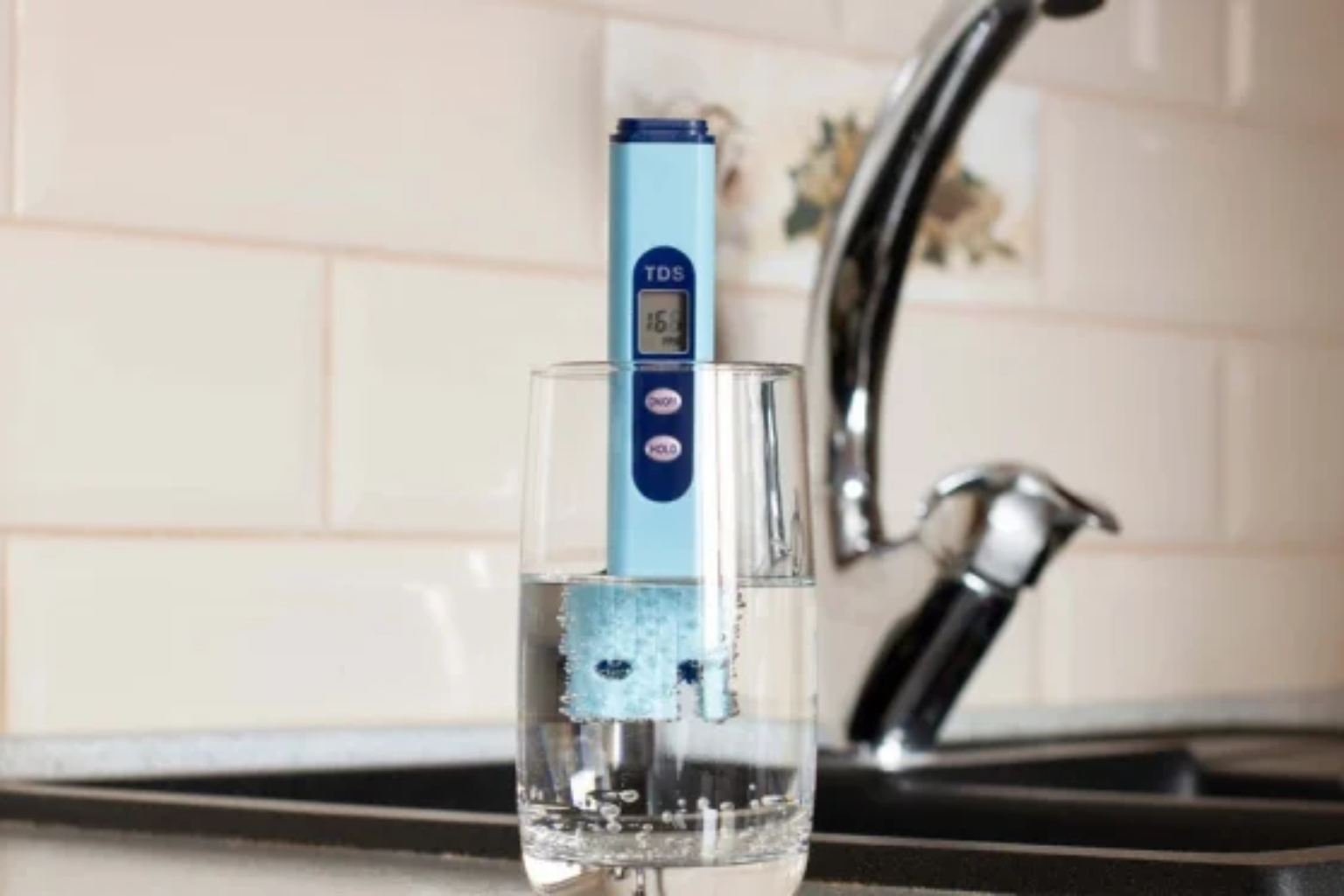
This proactive approach supports household water protection, ensuring that water quality and system reliability remain stable over time.
By addressing potential problems early, homeowners can avoid unexpected repairs and maintain consistent system performance.
The Importance of Monitoring Pump Performance
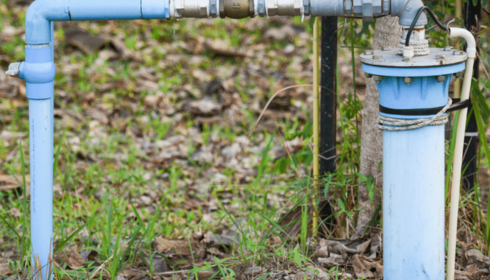
Pumps are one of the most critical components in many residential water systems, especially for homes that rely on wells or pressurized supply networks.
Since pumps operate continuously, they experience natural wear over time. Reduced efficiency, unusual noises, or pressure fluctuations may indicate developing problems.
Regular pump testing helps evaluate pump performance and identify potential issues before they lead to system failures.
Testing allows technicians to measure flow rates, pressure output, and mechanical condition, ensuring the pump continues to operate efficiently.
Maintaining pump health is essential for overall water system reliability.
Why Pressure Stability Matters
Water pressure plays a larger role in daily comfort than many homeowners realize. Consistent pressure ensures that showers function properly, appliances operate efficiently, and plumbing systems remain stable.
When pressure becomes irregular, it can affect multiple aspects of household routines. Low pressure can make cleaning difficult, while excessive pressure may strain pipes and fixtures.
Maintaining consistent water pressure supports both convenience and system longevity.
Proper pressure regulation helps prevent leaks, reduce equipment wear, and improve overall system performance.
How Environmental Factors Influence Water Systems
Water systems are also affected by external conditions. Seasonal changes, groundwater levels, and variations in water supply can influence system performance.
For example, increased sediment levels during heavy rainfall may affect filtration systems, while drought conditions can reduce water availability.
Regular monitoring helps homeowners adapt to these environmental changes and maintain optimal system efficiency.
Understanding these influences allows for better long-term planning and maintenance strategies.
Financial Benefits of Proactive Maintenance
While routine maintenance may seem like an unnecessary expense, it often leads to significant financial savings over time.
Preventive care reduces the likelihood of costly emergency repairs, extends equipment lifespan, and improves energy efficiency.
Efficient water systems consume less power and require fewer replacements, contributing to lower long-term operational costs.
Investing in regular system evaluations is often more economical than addressing unexpected failures.
Technology Is Improving Water System Management
Advancements in technology have made it easier than ever to monitor and maintain residential water systems.
Modern sensors can detect pressure changes, identify leaks, and track water usage patterns in real time.
Some systems provide automated alerts when maintenance is required, allowing homeowners to address issues promptly.
These technological innovations enhance system reliability while reducing the need for constant manual oversight.
The Emotional Comfort of Reliable Water
Beyond practical benefits, reliable water systems provide an important sense of security.
Knowing that your home’s water supply is stable, clean, and consistent reduces daily stress and uncertainty.
You don’t worry about sudden disruptions or unexpected repairs. Instead, you trust that your system will function as expected.
This quiet confidence contributes significantly to overall household comfort.
A Foundation Worth Maintaining
Water systems may not be the most visible aspect of home maintenance, but they play a critical role in everyday living.
From protecting water quality to ensuring stable pressure and efficient performance, each component contributes to a reliable infrastructure.
By investing in preventive care, routine testing, and system monitoring, homeowners can maintain long-term water system stability.
Because in the end, the best home systems are the ones you rarely notice — quietly supporting daily life, day after day, without demanding attention.