Ever filled up a glass of water, took a sip, and thought… “Hmm. Something tastes off”? You might’ve blamed the pipes, or maybe just your imagination. But more often than not, that taste — whether it’s earthy, metallic, or just weirdly flat — has something to do with one sneaky little metric: TDS.
Let’s get into it. Not with stiff, textbook definitions — but the way a curious, health-conscious person would explore it. Because whether you’re into hydration hacks, clean living, or just want better-tasting water, knowing about TDS is one of those underrated things that makes a real difference.
Wait, What Are TDS?
You’ve probably heard the term before — maybe on a water purifier ad or a fancy bottled water label — but what are TDS exactly?
TDS stands for Total Dissolved Solids. Think of it like the cocktail of minerals, salts, and tiny bits of organic material that naturally end up in water. They’re not visible, but they’re definitely there — shaping the flavor, feel, and even the healthiness of the water.
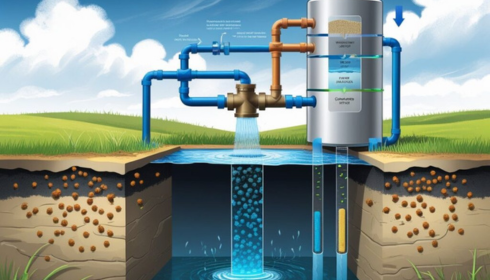
TDS can come from natural sources like riverbeds and underground aquifers. But it can also come from manmade places: old pipes, runoff from farms, or even water treatment processes. The key is balance — too little TDS and water tastes flat, too much and it starts to feel heavy, or worse, unsafe.
So, What’s “Normal”?
Let’s talk numbers. TDS is measured in parts per million (ppm). According to the EPA, anything under 500 ppm is considered safe for drinking. But here’s where things get tricky: safe doesn’t always mean pleasant.
Most tap water in the U.S. ranges between 100 to 400 ppm. Bottled water, especially the fancy kinds, often flaunt their lower or higher TDS counts like a badge of honor. And they kind of should — it tells you a lot.
But whats TDS in water supposed to feel like?
- Water under 50 ppm? Think rainwater or reverse osmosis water. Pure, but sometimes too pure — you might miss that “full-bodied” feel.
- Around 150 to 250 ppm? That’s often where the magic happens — the balance of taste and health.
- Above 500 ppm? Might start tasting salty, bitter, or just off. If you’re pulling water from a well, this is where testing becomes essential.
When TDS Goes Too High (Or Too Low)
Here’s the deal: TDS isn’t a villain. In fact, the “solids” in TDS can be good guys — calcium, magnesium, potassium — all minerals your body actually needs. But when things like lead, mercury, arsenic, or nitrates creep in, that’s when you’ve got a problem.
So, it’s not just about the amount of TDS, it’s about the type.
That’s why testing your water isn’t just for folks living off the grid or using well systems. Even in cities, aging infrastructure and unexpected contaminations can mess with your water quality.
And honestly, if your coffee’s been tasting weird or your shower leaves your skin itchy, maybe it’s time to test for more than just pH.
Mineral Water and the TDS Debate
Now let’s step into bottled water territory — because this is where things get personal for a lot of people. You’ve probably noticed how some premium bottles flaunt their mineral water TDS levels like they’re fine wine labels. There’s a reason for that.
Mineral water naturally has higher TDS levels because it comes from underground sources rich in — you guessed it — minerals. That’s what gives it that smooth, crisp, slightly earthy flavor. A good mineral water might clock in around 250–400 ppm, sometimes higher.
Some folks swear by it. They’ll say it hydrates better, feels more satisfying, or just tastes “real.” Others find it too heavy, even salty. That’s the thing — TDS affects taste, and taste is personal.
So next time you’re browsing the bottled aisle, don’t just grab the label with the sleekest font. Check that TDS number. It might be the difference between “meh” and “wow.”
How to Measure TDS at Home
Curious now? Good. Measuring TDS is easier than you think. You can grab a digital TDS meter online for under $20. Just dip the probe into a glass of water, and within seconds, you’ll know where your water stands.
Use it to test your tap, your bottled water, even the rainwater off your porch roof (not recommending you drink that — but hey, science). It’s eye-opening.
And once you have those numbers, you can start making informed decisions. Maybe your RO filter is stripping too much out. Maybe your favorite brand of bottled water is actually worse than your faucet. Knowledge = power. Or at least, better hydration.
Do You Need to “Fix” Your Water?
Not always. If your TDS is within range and your water tastes fine, you’re probably good. But if your levels are way off — or you’re just not enjoying that glass like you should — it might be time to tweak things.
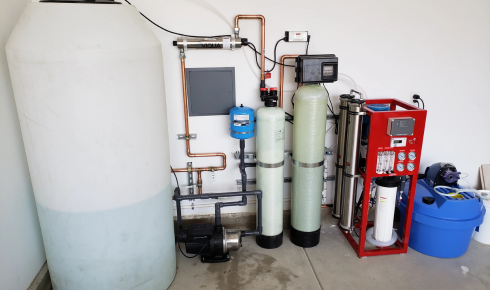
- Too high? Consider a reverse osmosis system. Just know it might strip out all the good minerals too.
- Too low? Try mineral cartridges or even adding trace mineral drops to your water. Yup, that’s a thing.
Bottom line? Your water doesn’t need to be “pure” to be good. It just needs to be clean, safe, and something you actually want to drink.
Final Thoughts: Taste the Difference
Water seems simple — until it isn’t. The more you learn, the more you realize how nuanced it really is. TDS might not be a dinner table topic (unless you’re weird like me), but it’s one of those behind-the-scenes factors that shape your everyday life more than you think.
From mineral water TDS levels to home testing meters, there’s a whole world beneath the surface of that clear glass. So go ahead — sip with curiosity, not just habit. Your body (and your taste buds) will thank you.