Ever notice a faint hissing sound coming from the wall, or a patch of your ceiling mysteriously turning brown? Maybe your water bill crept up, but you brushed it off thinking it was just “one of those months.” We’ve all been there—until a sudden puddle, a strong smell, or a dangerous situation snaps us into reality. Hidden leaks—whether water or gas—are the quiet villains of modern homes. And if you’re not paying attention, they can wreak havoc faster than you’d think.
Let’s walk through the real-world importance of catching these issues early, and how leak detection isn’t just a fancy term—it’s your home’s unsung hero.
You Don’t Need a Flood to Have a Leak Problem
A lot of people assume that a leak means water gushing down the hallway. Truth is, most leaks are much sneakier. It might be a pinhole-sized drip in a pipe behind your wall. Or a slow, steady leak under your kitchen sink that you don’t notice until the cabinet starts warping.
Early leak detection can save you from bigger problems like mold, structural damage, and shockingly high utility bills. The signs are subtle: a musty smell, unusually damp spots, or the constant sound of water even when taps are off. Technology today can pick up on these issues even when your senses can’t—thermal imaging, ultrasonic devices, even smart leak sensors.
The Silent Danger: Gas Leaks Aren’t Just About the Smell
Here’s where it gets real. Water leaks are annoying, but gas leaks? They’re deadly. And no, they don’t always smell like rotten eggs. Sometimes, they go completely unnoticed until someone starts feeling dizzy, nauseous, or worse.
Most gas companies add mercaptan (that sulfur-like smell) to help with detection, but if you’re depending on your nose alone, you’re rolling the dice. A gas leak repair situation should never be a DIY project. If you suspect even the slightest leak, turn off your gas supply, open your windows, get everyone out—and call in a licensed pro. The risk isn’t just combustion; long-term exposure can seriously affect your health.
Don’t Ignore That Drip. Seriously.
That “drip… drip… drip…” sound you hear in the middle of the night? It’s not just an annoyance—it could be your warning sign. A leaky faucet might seem harmless, but over time it adds up to gallons (and dollars) wasted. Worse still are hidden pipe leaks in the walls or floorboards.
When it comes to water leak repair, catching it early is everything. Left unchecked, water eats away at wood, drywall, and flooring. And once mold sets in, it’s not just a repair job—it becomes a full remediation project, and those can run thousands. Think of it like ignoring a splinter until it turns into an infection. Fixing it early is always the smarter move.
Technology Is Changing the Game
We live in a world where your fridge can text you, your car parks itself, and your thermostat learns your schedule. So it’s no surprise that leak detection has evolved too.
Smart home water systems can now shut off your water if a leak is detected. Gas detectors can send alerts straight to your phone. Some tools even analyze pressure fluctuations to catch microscopic leaks before they grow. These tools might sound like overkill, but when you consider the cost of emergency plumbing or a hospital visit due to carbon monoxide, they’re practically a bargain.
It’s Not Always a Plumbing Issue
Here’s the twist—not all leaks are caused by pipes. Sometimes it’s your roof, your foundation, or even a faulty appliance like a washing machine or water heater. If you find moisture but can’t locate the source, it could be seeping in from the outside. Or it might be a condensation issue linked to ventilation. Point is, don’t assume. Get it checked by someone who knows how to trace the problem—not just patch it up.
When to Call in the Pros
Let’s be honest: some things are okay to tackle with YouTube tutorials. Fixing a leaky sink washer? Sure. Patching a hairline crack? Go for it.
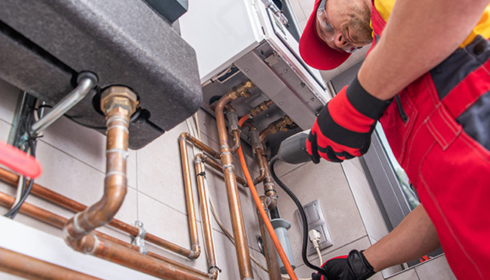
But full-scale gas leak repair or chasing a pipe hidden under slabs of concrete? That’s professional territory. It’s not just about having the right tools—it’s about knowing what you’re looking for, and how to fix it safely.
The right contractor won’t just slap on a patch and leave. They’ll do pressure testing, run diagnostics, and make sure your entire system is sound. And that peace of mind is worth every penny.
Prevention Beats Panic
Here’s the real takeaway: prevention always costs less than repairs. A regular inspection of your plumbing and gas lines, especially in older homes, is one of the best investments you can make. It’s not exciting. It’s not flashy. But it’s the kind of adulting that saves your wallet—and maybe your life.
Don’t wait for the ceiling to drip, the floor to warp, or the carbon monoxide detector to go off. Take a walk around your home. Look under sinks. Listen. Sniff. Pay attention. If something feels off, don’t shrug it off.
Final Thoughts: A Leak-Free Life Is a Less Stressful One
Living in a home where you don’t have to constantly worry about the next plumbing disaster or hidden hazard is more than convenience—it’s peace of mind. You don’t need to become a full-blown plumber or inspector. But a little awareness and a few proactive steps go a long, long way.
So the next time you hear that mysterious hiss, feel damp floorboards, or your gas bill spikes for no good reason—don’t ignore it. Call someone. Get it checked.
Because every disaster starts with a small leak—and every smart homeowner learns to listen.