There’s a quiet satisfaction in turning on your tap and knowing the water flowing out is clean, balanced, and working exactly the way it should. No strange taste. No chalky residue. No second-guessing whether your appliances are struggling behind the scenes.
But here’s something many homeowners don’t realize: the quality of your water experience isn’t just about the system you buy. It’s about how it’s set up, how it’s cared for, and how quickly small issues are handled before they turn into expensive ones.
In other words, the real magic happens after you bring the equipment home.
Why Proper Setup Changes Everything
You can purchase the best filtration or softening unit on the market, but if it’s not positioned and configured correctly, performance will never reach its full potential.
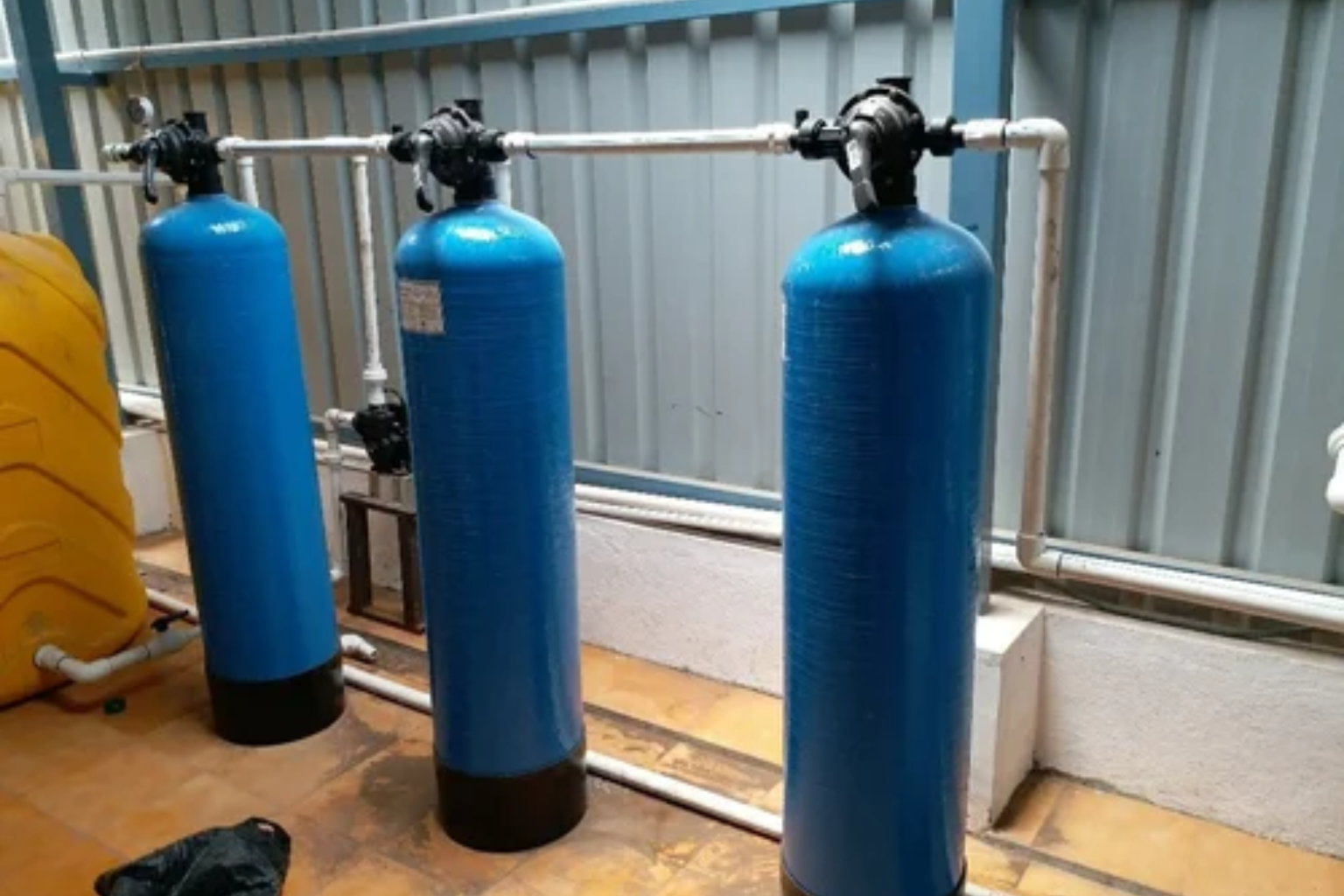
Professional installation ensures that your system connects properly to your home’s plumbing, operates at the right pressure levels, and follows local code requirements. It also reduces the risk of leaks, improper drainage, or premature wear.
A well-installed system runs quietly. It regenerates on schedule. It distributes treated water evenly throughout the house.
A rushed setup? That’s where headaches begin.
Incorrect pipe fittings, improper bypass valve placement, or neglected pre-filters can cause inconsistent flow or reduced effectiveness. And most homeowners won’t notice until something feels slightly off—like lower water pressure or a return of mineral spots.
Getting it right the first time saves more than time. It protects your investment.
The Inevitable Need for Fixes
No system lasts forever without attention. Valves wear down. Filters clog. Resin beds become exhausted. It’s not a flaw—it’s just the nature of equipment that works daily.
The key is recognizing when repair is needed before problems escalate.
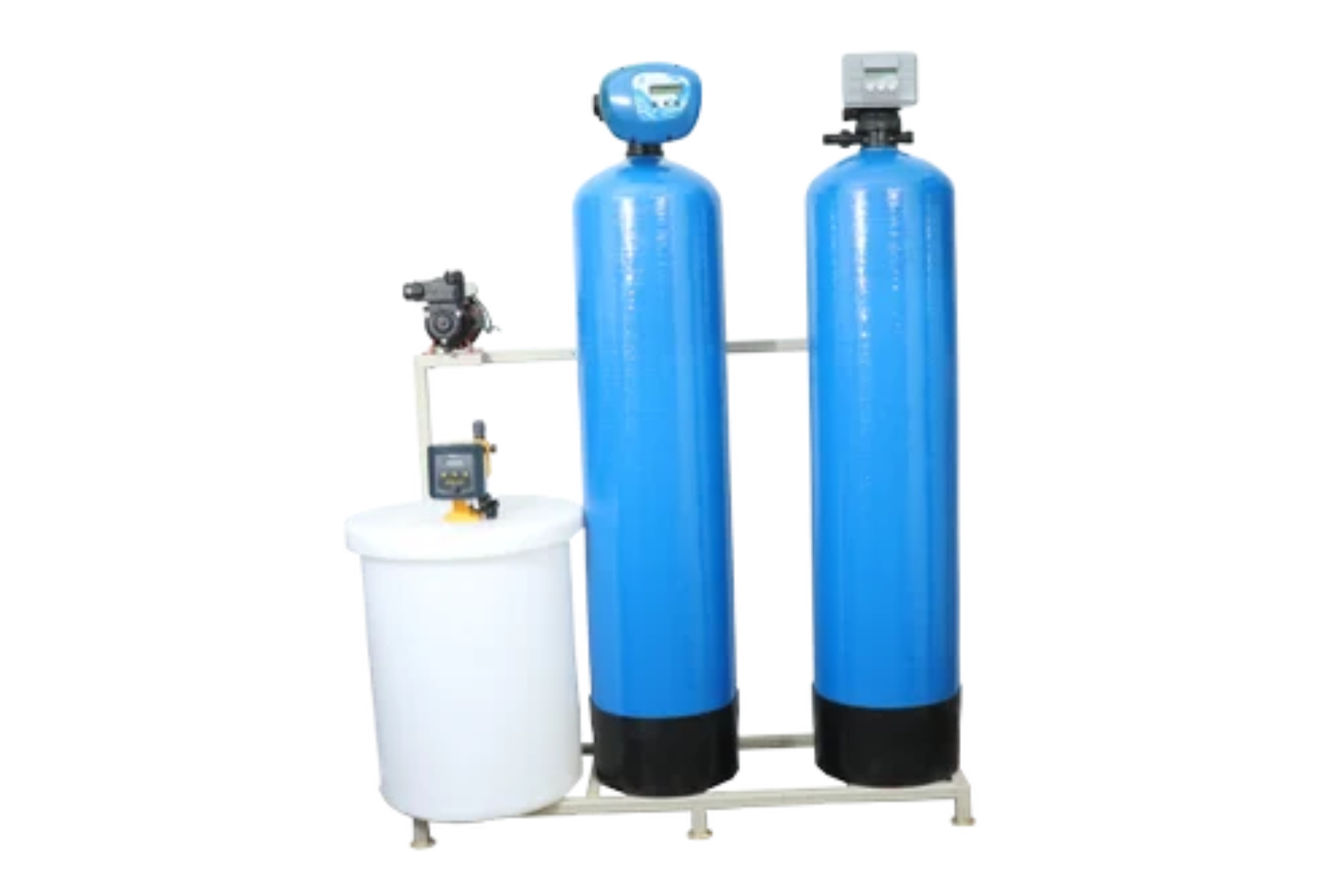
For example, if your water softener stops regenerating properly, hardness minerals may start sneaking back into your plumbing. You might notice soap not lathering as well or glassware appearing cloudy again.
Addressing that issue quickly prevents scale from building up inside pipes and appliances. Ignoring it for months can lead to more expensive consequences.
Repairs aren’t a sign that you chose the wrong system. They’re part of responsible ownership. Just like replacing a worn tire on your car doesn’t mean the car itself is unreliable.
The Often Overlooked Routine
If there’s one word that keeps water systems performing at their best, it’s consistency.
Regular maintenance doesn’t have to be complicated. In many homes, it means checking salt levels in a softener once a month. Replacing sediment filters every few months. Scheduling an annual system inspection.
Small habits make a big difference.
Neglected filters reduce flow and strain components. Salt bridges in softener tanks interfere with regeneration cycles. Minor leaks, if left unattended, can quietly damage surrounding areas.
Think of maintenance as preventive care. You’re not reacting to failure—you’re avoiding it.
And the good news? Modern systems are designed to make upkeep straightforward. Some include digital indicators or smart alerts. Others simply require a quick visual check.
It’s manageable. And worth it.
The Long-Term Payoff
When water systems are properly installed, repaired promptly, and maintained regularly, the benefits compound.
Appliances last longer. Water heaters operate more efficiently. Plumbing stays cleaner. You spend less time scrubbing residue from fixtures.
Over the years, these small efficiencies translate into meaningful savings—both financially and in peace of mind.
There’s also the comfort factor. You don’t have to think about your water. It just works.
That’s the ultimate goal.
Choosing the Right Support
Not every homeowner feels confident handling technical adjustments alone. That’s okay.
Working with experienced service providers ensures your system remains calibrated correctly. A good technician doesn’t just fix problems—they explain what happened and how to prevent it in the future.
Look for companies that emphasize transparency and education. You want someone who helps you understand your system, not someone who creates dependency.
Water treatment shouldn’t feel mysterious. It should feel manageable.
Warning Signs You Shouldn’t Ignore
Even with routine care, systems occasionally send subtle signals that attention is needed:
- Sudden drop in water pressure
- Return of hardness spots or mineral residue
- Unusual noises during regeneration cycles
- Persistent taste or odor changes
- Visible leaks around connections
None of these necessarily indicate catastrophic failure. But they do mean it’s time to investigate.
Catching issues early prevents larger complications later.
A Balanced Approach
There’s no need to obsess over your water system. But there’s also no benefit in ignoring it entirely.
Strike a balance.
Schedule installation properly. Address repairs promptly. Follow a reasonable maintenance routine.
That’s it.
Final Thoughts
Water flows through every corner of your home, shaping daily routines in quiet, constant ways. The system supporting that flow deserves thoughtful care.
Proper installation lays the foundation. Timely repair keeps performance steady. Regular maintenance protects long-term value.
It’s not glamorous work. But it’s essential.
And when everything runs smoothly, you won’t think about your water system at all.
You’ll just enjoy the benefits—day after day, without interruption.