Let’s be honest — most of us don’t think too hard about the water we use. We expect it to be clean, safe, and ready whenever we twist a knob. And for the most part, it is. But that doesn’t mean it’s ideal. In fact, a surprising number of households are unknowingly living with water that’s technically “safe,” but still full of things we’d rather not bathe in, cook with, or drink.
You’ve probably heard about filters under the kitchen sink or pitchers in the fridge. They’re good… to a point. But what if you didn’t have to treat your water one faucet at a time? What if you could upgrade the entire experience, from the first drop that enters your property to the last rinse of your shower?
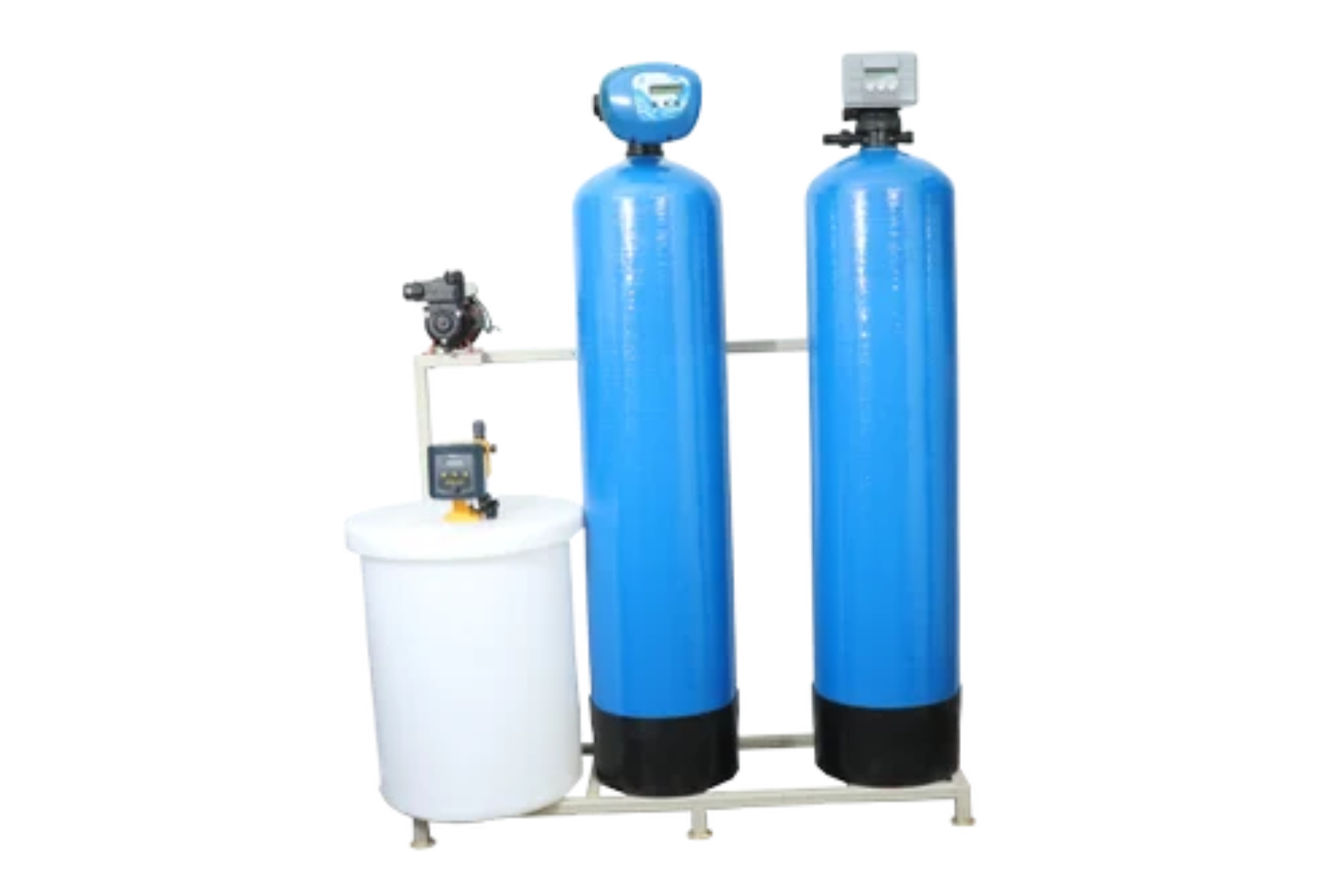
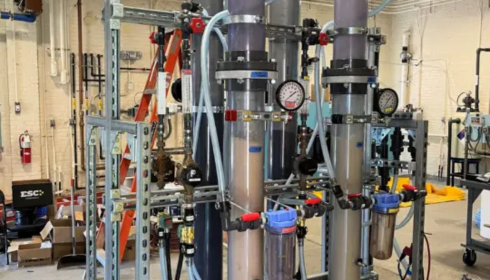
That’s where whole-building filtration makes its entrance — not with bells and whistles, but with a quiet promise to do better by your home and your health.
More Than Just Drinking Water
The biggest misconception about water filtration is that it’s only about what you drink. But think about it — you brush your teeth with it. Your skin soaks in it during a long shower. You wash vegetables in it, clean dishes with it, and fill your humidifier every winter. That water runs through your washer, your water heater, your dishwasher — all of which age faster when the water is filled with sediment or chemicals.
Installing a system that treats all the water in your building doesn’t just protect your health — it protects your plumbing, your appliances, and your peace of mind. No more guessing if this faucet is safe or wondering why your clothes are getting dull in the wash.
The Grit You Don’t See (But Definitely Don’t Want)
If you’ve ever unscrewed a faucet aerator and found a sandy, gritty mess inside, you’ve met the enemy: sediment. It’s in more water supplies than most of us realize, especially if you’re on a private well or live in an area with older infrastructure.
Sediment removal is one of the first lines of defense in a good filtration setup. These filters catch the big stuff — dirt, rust flakes, sand, silt — before it can clog your pipes or settle at the bottom of your hot water tank. It’s kind of like dusting your house; you don’t always notice it’s there until you realize how much cleaner everything feels after it’s gone.
Even if your water looks clear, trust me — sediment is sneaky. And over time, it wears things down. That soft, silent build-up in your appliances and pipes? That’s sediment slowly doing its thing.
When Taste and Smell Tell the Real Story
Now let’s talk about chlorine. If your water smells faintly like a pool — especially hot water — you’re not imagining it. Municipal water supplies often use chlorine as a disinfectant, which is important… but not exactly pleasant.
This is where activated carbon filters come in, and they’re kind of magical. These filters use a porous material (often coconut shell carbon, fun fact) that traps and neutralizes a wide range of chemicals — chlorine, volatile organic compounds (VOCs), and even some pesticides or pharmaceutical residues.
The result? Water that smells neutral. Tastes clean. Feels better on your skin and hair. And if you’ve ever tried to make coffee with chlorine-heavy tap water, you already know the flavor upgrade that comes from removing all that extra baggage.
Bigger Systems, Smaller Headaches
Whole-building systems may sound like overkill at first, but the truth is — they’re designed to make life easier. Fewer filters to replace. Less stress about what’s in your water. And a whole lot less wear-and-tear on every appliance that depends on water to function.
And these systems aren’t reserved for sprawling mansions or ultra-modern buildings anymore. They’ve become more compact, more affordable, and more user-friendly over the last few years. You don’t have to be a tech wizard or a health guru to appreciate one. You just have to care about the water flowing through your walls.
A Home That Cares Back
Here’s what people don’t talk about enough: peace of mind.
We spend so much time and money trying to make our homes comfortable — better lighting, more insulation, nicer furniture. But the water we use every day? It often goes overlooked. And yet, it’s one of the most intimate parts of daily life. You feel it on your skin. You taste it. You cook with it. Shouldn’t it be as good as the rest of your home?
Whole-home filtration doesn’t just improve water — it improves the relationship you have with your home. It gives you control. Confidence. Comfort.
And the best part? You don’t have to think about it much once it’s installed. It works silently, in the background, making every drop of water in your life just a little better.
Final Thoughts: Clean Water, No Compromises
If you’ve made it this far, chances are water quality has been on your radar for a while. Maybe you’ve dealt with rusty pipes. Maybe your kids complain about the taste. Maybe you’re just trying to protect your investment in a new home.