

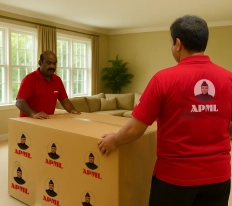
Moving to a new home in Delhi can be exciting, but the excitement often gets buried under a mountain of boxes. At first, you’re thinking about the new neighborhood, a better apartment, a shorter commute or simply having a fresh start. Then you open the storage cupboard and discover things you haven’t seen since your last move.
That’s when the reality of relocation sets in.
A household move involves much more than transporting furniture. You have to sort belongings, pack fragile items, coordinate with building management, arrange transportation and somehow keep your normal life going at the same time. Delhi’s traffic and busy residential areas can make the process even less predictable.
The good news is that moving doesn’t have to be unnecessarily difficult. You can’t control everything, but careful preparation can make the whole experience considerably calmer.
Start Planning Before Moving Day
The best time to begin planning is earlier than you think.
Start by choosing a realistic moving date and making a basic checklist. Include packing, utility changes, address updates, building permissions and any handover requirements.
If you’re renting your current home, check the rental agreement before finalizing your plans. Notice periods, inspections and deposit conditions may affect your timeline.
Then break the work into smaller tasks. Pack books, seasonal clothes, decorative items and rarely used kitchenware first. Leave everyday essentials until closer to the moving date.
It doesn’t feel dramatic or exciting, but this simple approach can save you from a frantic final weekend.
Declutter Before You Pack
A move is a natural opportunity to decide what actually deserves space in your new home.
Look through wardrobes, kitchen cabinets, storage boxes and those drawers where random objects seem to multiply. You may find clothes you haven’t worn for years, appliances you forgot you owned and furniture that no longer fits your lifestyle.
Create separate piles for keeping, donating, selling, recycling and discarding.
Don’t feel pressured to throw away sentimental possessions. If something has genuine emotional value, it may be worth carrying. But moving a broken appliance simply because you’ve kept it for years isn’t particularly useful.
Every item you remove means one less thing to pack, lift, transport and unpack.
Choosing a Moving Company Carefully
There are many relocation providers in Delhi, so the challenge isn’t finding a company. It’s finding one that matches your needs and communicates clearly.
When researching the Best Packers and Movers in Delhi, don’t judge the service only by its website or the first quotation you receive.
Ask what the service includes. Is packing material provided? Are loading and unloading covered? Does the team dismantle and reassemble furniture? How are fragile items handled?
If you’re moving expensive electronics, glass furniture, artwork or large appliances, explain those requirements before booking.
A reliable moving service should be comfortable answering practical questions. Clear communication before the move is often a good sign.
Compare Quotations With Care
Getting multiple estimates can help you understand the likely cost of your move. But don’t choose purely on the lowest figure.
Two companies can quote different prices because they’re offering different levels of service.
One estimate might exclude packing material, furniture assembly or additional workers. Another might include them.
Ask about possible extra charges for stairs, long carrying distances, difficult parking, waiting time or additional packing. Confirm whether taxes and other applicable charges are included.
Read the quotation carefully and keep a copy.
A slightly higher but transparent quote can be much better than a cheap estimate that becomes expensive on moving day.
Pack According to What You’re Moving
Packing is one of the areas where a little care can prevent a lot of damage.
Heavy items such as books, tools and kitchen utensils should generally go into smaller cartons. Larger boxes work better for clothes, bedding and cushions. Related context: Giving Your Home a Fresh Start: What to Know Before You Remodel.
Fragile items need proper cushioning. Avoid leaving empty spaces where glasses, plates or decorative pieces can move around.
Electronics deserve additional attention. If you still have the original boxes, use them when practical.
And label everything.
Write the room name on each box and add a short description where useful. “Bedroom – winter clothes” is far more helpful than simply writing “Bedroom.”
When you’re exhausted at the end of moving day, good labels become surprisingly valuable.
Delhi Traffic Can Change Your Plans
Moving schedules should always have some flexibility in Delhi.
Traffic conditions can turn a short journey into a much longer one, so don’t plan an important appointment immediately after the expected delivery time.
Give the movers accurate information about both properties. If parking is restricted, the road is narrow or the vehicle may need to stop some distance away, mention it beforehand.
The more information the team has, the easier it is to plan loading and unloading.
It may seem like a minor detail, but access problems can create significant delays when nobody knows about them in advance.
Check Building Rules Before the Truck Arrives
Apartment societies and residential complexes often have their own moving procedures.
Some require prior permission for a moving vehicle. Others have fixed hours for shifting or require the service elevator to be booked.
Contact the management office or security desk before moving day.
Also measure large furniture if you’re unsure whether it will fit through the entrance, lift or corridor. A wardrobe can look perfectly manageable until you’re standing in front of a narrow doorway with three people trying to turn it.
A few minutes of preparation can prevent a very long afternoon.
Keep Valuable Belongings With You
Some possessions are simply too important to put into a moving truck.
Keep passports, jewellery, cash, medicines, important documents, laptops and irreplaceable personal belongings with you whenever possible. Related context: A Practical Guide to Building a Sustainable Link-Building Workflow.
Take photographs of expensive furniture and electronics before packing. This provides a basic record of their condition.
Ask the moving company about transit insurance or damage protection as well. Find out exactly what is covered and what isn’t.
For anyone comparing Movers and Packers Delhi, these questions are worth asking regardless of the provider you eventually choose. Never assume that every company offers identical protection or responsibilities.
Make an Essentials Bag
An essentials bag is one of the simplest ways to make the first night easier.
Pack toiletries, medicines, chargers, a change of clothes, water, snacks and important documents. Keep the bag with you rather than placing it in the moving vehicle.
If you have children, include their basic necessities. If you have pets, keep their food, water and supplies accessible.
You may expect to unpack everything immediately. But moving days often take longer than planned.
When you’re tired and surrounded by boxes, searching for toothpaste can suddenly feel like a serious problem. Keep the basics close.
Prepare the New Home
Before the moving truck arrives, check the new property.
Make sure electricity and water are working. Confirm the keys and access arrangements. If possible, clean the main rooms while they’re empty.
Think about where major furniture should go too.
You don’t need a complete interior design plan. Simply knowing where the bed, sofa, dining table and large appliances belong can make unloading quicker.
Once heavy furniture is inside, repeatedly shifting it isn’t exactly enjoyable.
Check Your Belongings After Delivery
When the movers arrive, take a few minutes to inspect important items.
Check major furniture, appliances, electronics and fragile belongings before everything becomes buried under other boxes.
If you notice damage, take photographs and contact the moving company according to the agreed process.
Keep your quotation, receipts and other documents until the relocation is completely finished.
A basic inventory of valuable or major belongings can also help. You don’t need to record every household item, but expensive possessions should be easy to identify. Related context: Building It Right from the Start: A Smarter Approach to New Construction Plumbing.
Don’t Try to Finish Everything in One Day
Once the truck leaves, you may feel pressure to unpack the entire house immediately.
You really don’t have to.
Start with the bedroom, bathroom and kitchen. Once those spaces are functional, you’ll have somewhere comfortable to sleep, shower and eat while the rest of the house takes shape.
Work through the remaining rooms gradually.
Some boxes may stay unopened for a few days. That’s normal. Moving house is tiring enough without turning unpacking into another deadline.
As you settle in, you’ll learn the neighborhood, discover nearby shops and establish new routines. Slowly, the new place becomes familiar.
A Smooth Move Starts With Preparation
Relocating in Delhi won’t always go exactly according to plan. Traffic may cause delays. A lift may be occupied. A box may end up in the wrong room.
That’s part of the experience.
The important thing is to reduce the problems you can actually prevent.
Start early. Declutter before packing. Compare moving companies carefully and understand the quotation. Check building rules, protect valuable belongings and keep essential items with you.
And don’t choose a service simply because it offers the lowest price. Reliability, clear communication and careful handling matter when you’re trusting someone with the contents of your home.
Eventually, the boxes will be opened, furniture will find its place and the rooms will start feeling familiar.
Then one ordinary evening, you’ll sit down with a cup of tea, look around and realize that you’re no longer settling into a new house.
You’re simply living there.
And that’s when the move is truly over.