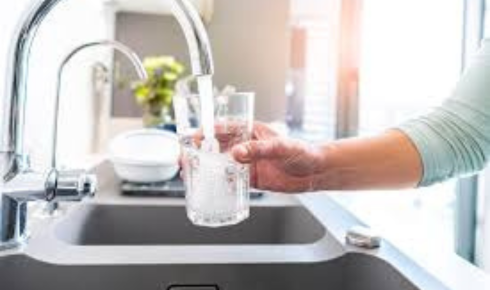
You don’t expect water to have a personality. It’s supposed to be neutral—no smell, no taste, no surprises. Just turn the tap and get on with your day.
But sometimes, water has other plans.
Maybe it smells faintly like a swimming pool. Maybe there’s a metallic hint you can’t quite ignore. Or worse, that unmistakable sulfur smell that makes you hesitate before even washing your hands. It’s not dramatic enough to cause panic, but it’s enough to make you wonder what’s really going on.
And once that thought settles in, it’s hard to shake.
Not All Water Issues Are the Same
One of the biggest misconceptions about water quality is that there’s a single “fix” for everything. In reality, water problems come in different shapes and forms.
Some homes deal with chlorine-heavy municipal water. Others rely on wells that bring in iron or sulfur. Some have sediment issues, while others struggle with taste and odor inconsistencies.
That’s why trying a basic, one-size-fits-all filter doesn’t always work. It might help a little, sure—but often, it only scratches the surface.
And that’s where things start to get interesting.
Why Targeted Solutions Make More Sense
Instead of treating water as a single problem, it helps to look at it as a set of specific issues that need specific solutions.
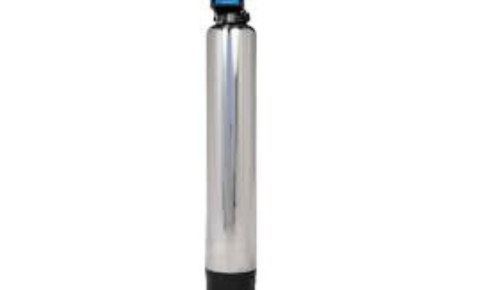
That’s where specialty water filters come into play. These aren’t generic filters designed to do a bit of everything. They’re built to address particular concerns—whether it’s removing certain chemicals, targeting minerals, or improving taste and odor.
The difference is noticeable. You’re not just filtering water—you’re refining it in a way that actually makes sense for your home.
And that’s a much smarter approach than guessing.
When Chlorine Becomes More Noticeable Than It Should Be
If your home uses municipal water, chances are chlorine is part of the equation. It’s added for a good reason—to keep water safe during distribution. But sometimes, it sticks around a bit more than you’d like.
You might notice it in the smell first—that sharp, slightly chemical scent when you turn on the tap. Or in the taste, especially when drinking water straight.
This is where chlorine reduction systems can make a real difference. They don’t remove the safety aspect of treated water—they simply reduce the excess, making your water feel more natural again.
And once that sharp edge is gone, everything else starts to feel a bit more balanced.
Dealing With That Unmistakable Sulfur Smell
Then there’s sulfur. If you’ve ever experienced it, you know exactly what it’s like—that rotten egg smell that makes water feel… off, even if it’s technically safe.
It can show up in well water or certain groundwater sources, and it tends to linger. Running the tap might help temporarily, but it doesn’t solve the root issue.
That’s where sulfur guard filters come into the picture. These systems are designed specifically to target and neutralize sulfur compounds, removing both the smell and the discomfort that comes with it.
Once it’s gone, the change feels immediate. Water goes back to being something you don’t have to think twice about.
The Quiet Improvements That Follow
What’s interesting about solving these issues is how the benefits extend beyond just smell or taste.
Your home starts to feel fresher. Your laundry doesn’t carry odd odors. Even your bathroom feels cleaner, simply because the water you’re using isn’t leaving behind unwanted traces.
These aren’t dramatic transformations. They’re subtle shifts that make everyday life feel smoother.
And over time, they become something you rely on.
Why One Solution Isn’t Always Enough
Here’s the thing—water issues don’t always exist in isolation. You might be dealing with chlorine and sediment. Or sulfur and iron. Or a combination of smaller issues that together create a bigger problem.
That’s why many homeowners end up combining solutions. Not in a complicated way, but in a practical one—addressing each issue with the right tool.
It’s not about overdoing it. It’s about getting it right.
Keeping It Simple (Even When It Feels Complicated)
Water treatment can seem overwhelming at first. There’s a lot of information, a lot of options, and a lot of opinions.
But at its core, it’s straightforward.
Identify the issue. Choose a solution that targets it. Avoid adding more than you need.
Once you approach it that way, things start to feel much more manageable.
And honestly, that’s how it should be.
Why Most People Wait Until It’s Too Noticeable
For many people, water quality issues don’t get addressed right away. They sit in the background, quietly affecting daily routines without causing major problems.
So people adapt. They use flavored drinks instead of tap water. They clean a little more often. They ignore the smell, hoping it’ll go away.
Until it doesn’t.
And that’s when the decision to fix it becomes clear.
A Small Change That Feels Like a Big Relief
Once you’ve addressed the specific issues in your water, the change isn’t loud or dramatic. It’s subtle, but it’s there.
Water feels neutral again. It tastes clean. It smells like nothing at all—which, in this case, is exactly what you want.
And that sense of normalcy? It’s more satisfying than you might expect.
Final Thoughts: When Water Stops Getting in the Way
At the end of the day, water should be simple. It should support your daily life without adding friction or frustration.
If it has a smell, a taste, or a personality you didn’t ask for, it’s worth taking a closer look.
Because once you address those issues, the difference isn’t just in your water—it’s in how your home feels overall.
Cleaner. Fresher. Easier.
And sometimes, that’s all it takes to make everything feel just right again.