It usually starts with something minor. A glass of water that tastes faintly metallic. Ice cubes that look a little cloudy. Coffee that just doesn’t hit the way it used to. Nothing dramatic. Nothing alarming. Just a quiet sense that your tap water could be… better.
And once that thought plants itself in your mind, it’s hard to shake.
We tend to assume that if water is clear and labeled “safe,” that’s the end of the story. But safe and satisfying aren’t always the same thing. There’s a big difference between water that meets minimum standards and water that feels clean, balanced, and enjoyable every single day.
That’s where many homeowners begin exploring purified water systems. Not out of fear, but out of curiosity — and maybe a little frustration.
Why Tap Water Sometimes Falls Short
Municipal water treatment does an important job. It removes harmful pathogens and ensures water meets public health regulations. But during that process, disinfectants like chlorine are often added. Minerals and trace elements may remain. And as water travels through pipes, it can pick up subtle flavors or sediments along the way.
Most of these aren’t dangerous. But they can influence taste, smell, and even the way water interacts with your appliances.
For some households, the issue is chlorine odor. For others, it’s sediment. In certain regions, it’s simply hard water that leaves scale on fixtures. The solution isn’t one-size-fits-all, which is why understanding your water is the first real step.
A simple water test can reveal mineral content, pH balance, and other characteristics. With that information, you can choose a system that addresses your specific concerns rather than guessing.
The Appeal of a Clean, Hidden Upgrade
One reason so many people gravitate toward kitchen-based filtration is convenience. You don’t necessarily need to filter every drop in your home to notice a difference. Sometimes, focusing on drinking and cooking water is enough to transform daily routines.
Modern systems are designed for discreet under-counter installation, which means the filtration components stay tucked neatly beneath your sink. No bulky countertop machines. No oversized pitchers crowding your fridge. Just a dedicated faucet delivering filtered water on demand.
There’s something satisfying about that simplicity. It feels intentional, not intrusive.
And once it’s in place, it becomes part of your rhythm. Fill a glass. Brew coffee. Cook pasta. You don’t have to think about it — and that’s exactly the point.
What Happens Inside the System
If you’ve ever looked into water filtration, you’ve probably seen diagrams showing multiple layers and cartridges. It can look complicated at first glance. But the concept is actually straightforward.
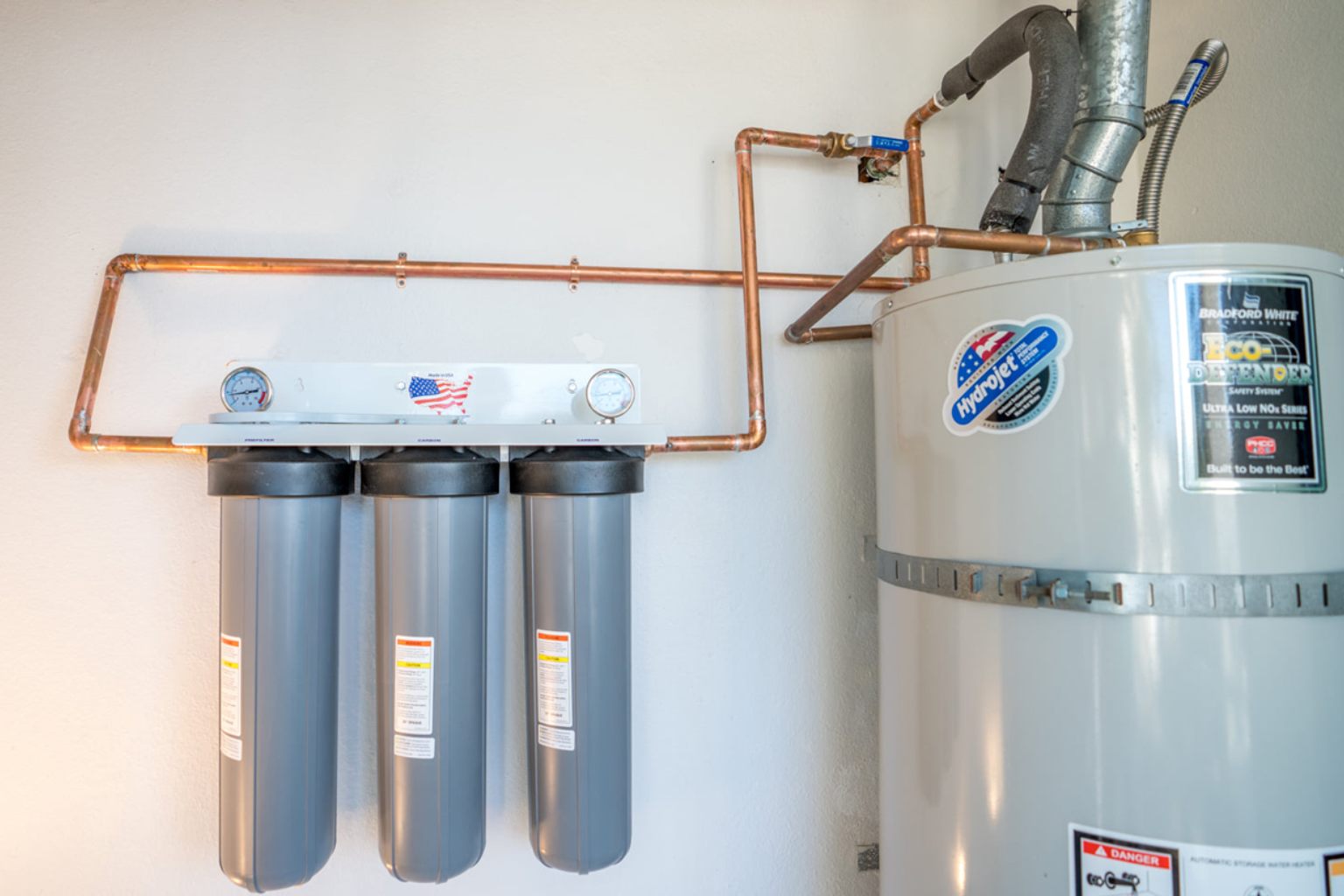
Most systems use a series of filter stages, each designed to handle a specific task. A sediment filter catches particles like sand or rust. A carbon filter reduces chlorine and improves taste and odor. Some advanced systems include membranes or additional cartridges for more precise filtration.
Each stage builds on the previous one, gradually refining the water as it passes through. It’s not about stripping water of everything; it’s about removing what doesn’t belong while preserving balance.
The result? Water that tastes smoother and feels cleaner without being overly processed.
Taste Changes Habits
Here’s something interesting: when water tastes better, people naturally drink more of it. It sounds obvious, but it’s powerful.
Kids are less likely to resist filling their bottles. Guests stop asking for bottled water. You find yourself reaching for a glass of tap water instead of soda or juice.
And if you’ve been buying bottled water regularly, the savings add up quickly. Not to mention the reduction in plastic waste. It’s one of those upgrades that feels good on multiple levels — personal, financial, environmental.
Beyond Drinking: The Ripple Effect
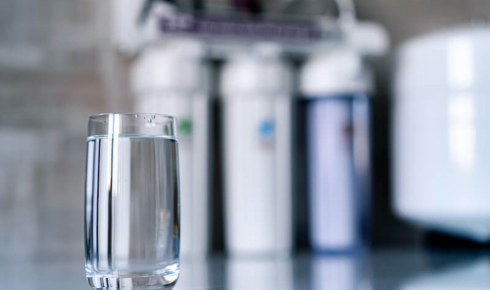
Even though under-sink systems focus on drinking water, the benefits ripple outward. Coffee tastes brighter. Tea brews more cleanly. Ice cubes freeze clearer. Soups and sauces carry flavors more accurately.
It’s subtle. No fireworks. But once you experience it, you’ll likely notice the difference every day.
There’s also peace of mind. Knowing your water has passed through dedicated filtration before it reaches your glass adds a layer of reassurance. It’s not about distrusting public systems — it’s about optimizing your home environment.
Maintenance Isn’t a Burden
One common concern is upkeep. Will it be complicated? Expensive? Time-consuming?
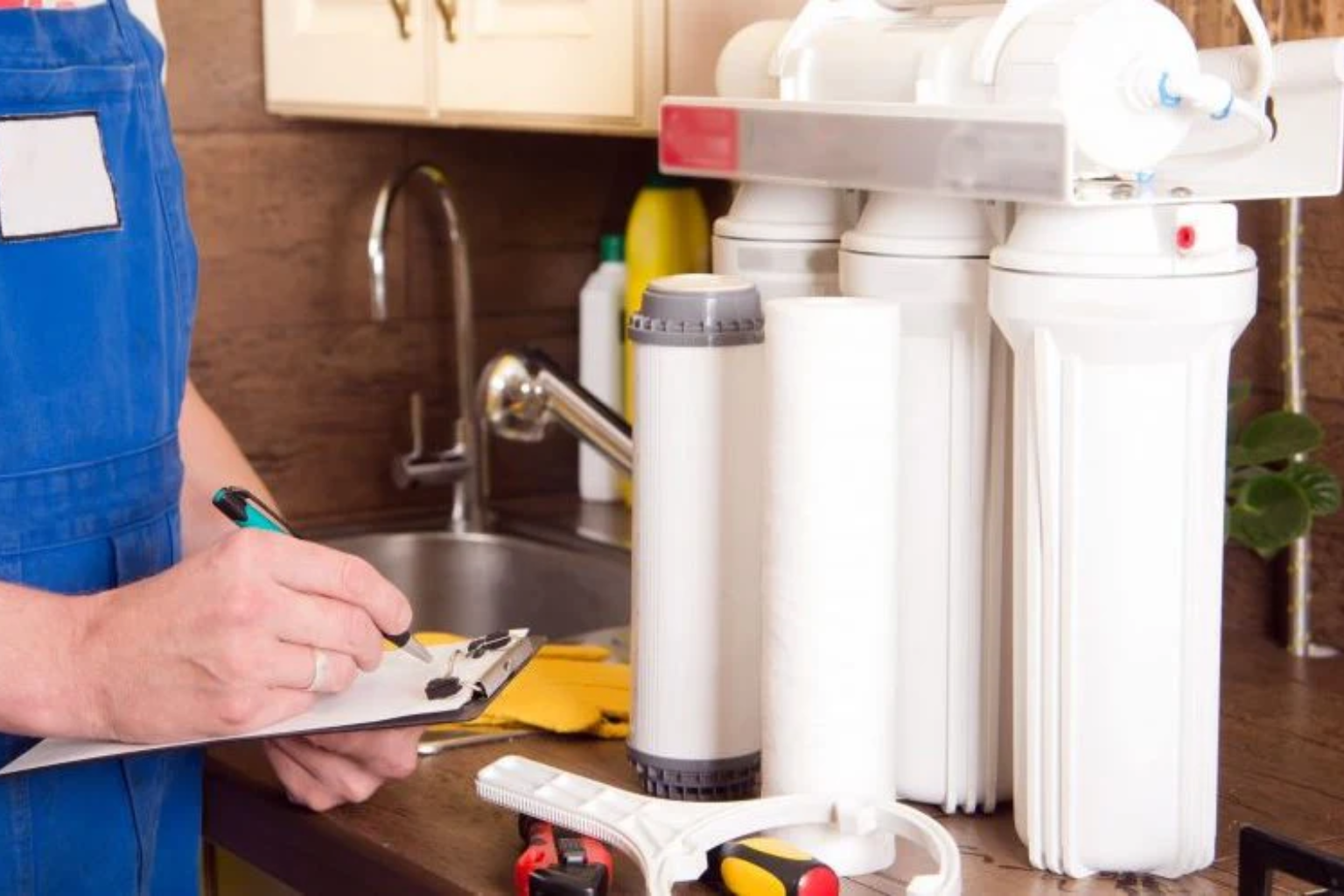
In reality, most purified water systems are designed for user-friendly maintenance. Filters are replaced periodically — often once or twice a year, depending on usage and water quality. Some systems include indicators that let you know when it’s time for a change.
It becomes routine. Like changing a smoke detector battery or replacing an air filter. A small task with ongoing benefits.
Is It Worth It?
That depends on how much you value the everyday experience of your water.
If you rarely think about it and never notice issues, you may not feel the need for an upgrade. But if you’ve ever hesitated before taking a sip, or found yourself stocking up on bottled water “just in case,” it might be worth exploring.
Water is one of the few things you interact with constantly. Improving it doesn’t require a major renovation. It doesn’t change your décor. It won’t show up in a before-and-after photo.
But you’ll feel it.
In the end, installing a purified water system isn’t about trends or scare tactics. It’s about refining something fundamental. When your water tastes clean, looks clear, and supports your daily habits without friction, it quietly enhances your entire home.
And sometimes, the best upgrades are the ones that simply make life flow a little more smoothly.