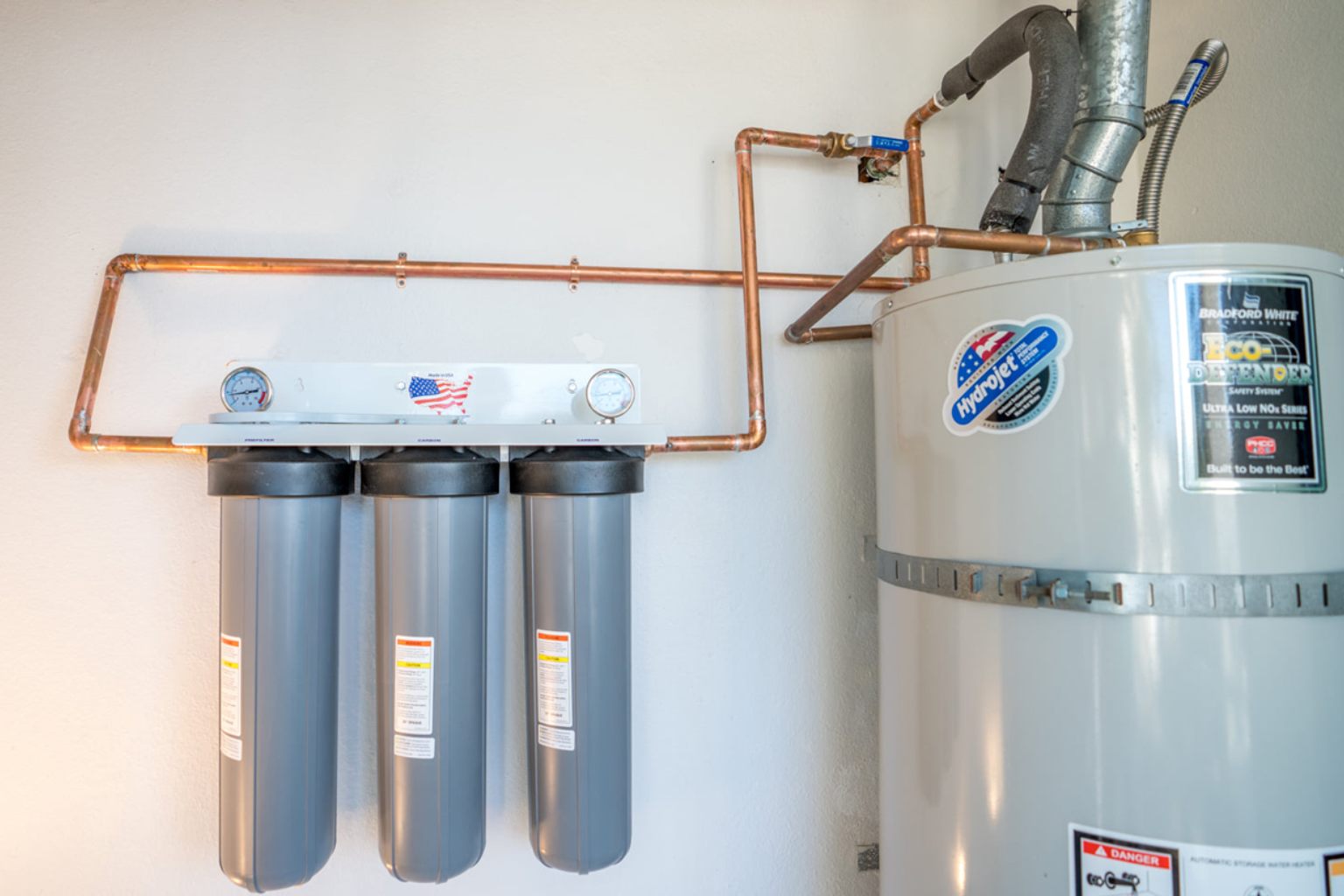
Most homeowners don’t think much about their water softener — until the day it quietly stops doing its job. And by then, the signs are already everywhere.
There’s a strange kind of silence around water softeners. Unlike a noisy appliance or a flashing warning light, these systems usually work quietly in the background, doing their job without drawing attention.
Which is exactly why they’re easy to forget.
You turn on the tap, take a shower, wash dishes — everything feels normal. Until slowly, almost subtly, things start to change. Soap doesn’t lather like it used to. Your skin feels dry again. White spots begin appearing on faucets and glassware.
At first, most people blame detergent or cleaning products. But more often than not, the real culprit is a water softener that simply needs a little care.
And honestly, maintaining one isn’t complicated. It just requires consistency — and a bit of awareness.
Why Maintenance Is More Important Than You Think
A water softener isn’t just another appliance. It plays a quiet but essential role in protecting your plumbing, improving comfort, and extending the lifespan of expensive household equipment.
Without proper upkeep, mineral buildup can sneak back into your water supply. Pipes slowly collect scale. Water heaters lose efficiency. Even washing machines and dishwashers start working harder than they should.
Regular water softener maintenance ensures that the system continues doing what it’s designed to do — removing hardness minerals effectively without interruption.
The good news? Most of the required care is simple and doesn’t take much time.
Understanding the Role of Salt in the Process
One of the most common misunderstandings about water softeners revolves around salt. Many homeowners assume that once they fill the salt tank, they can forget about it for months.
Unfortunately, it doesn’t work that way.
Salt is what drives the regeneration process — the cycle that cleans and resets the softening resin inside the system. Without enough salt, that process becomes incomplete, and hardness minerals slip back into the water.
That’s why keeping an eye on salt levels is one of the most important habits for maintaining a softener. Most systems require checking the salt tank at least once a month, though usage varies depending on water consumption.
It’s a small task, but skipping it can quickly lead to noticeable changes in water quality.
The Hidden Problem of Salt Bridging
There’s another issue many homeowners don’t realize exists: salt bridging.
This happens when salt forms a hard crust inside the tank, creating an empty space beneath it. From the outside, it looks like there’s plenty of salt, but the system can’t actually use it.
The result? Regeneration stops working properly, even though the tank appears full.
Breaking up salt bridges periodically is a simple step that prevents this issue. It doesn’t require special tools — just a gentle check to ensure salt remains loose and functional.
Small actions like this can prevent surprisingly large problems.
Cleaning the System: An Overlooked Step
Over time, iron, sediment, and mineral residues can accumulate inside a water softener. Even if the system seems to be working, internal buildup can gradually reduce effectiveness.
Cleaning the brine tank once or twice a year helps maintain optimal performance. It also prevents odors, clogging, and inefficient regeneration cycles.
Some homeowners put this task off because it sounds technical, but in reality, it’s straightforward and well worth the effort.
A clean system simply works better.
How Maintenance Impacts Long-Term Performance
One of the biggest reasons to stay consistent with upkeep is maintaining system efficiency.
A poorly maintained softener doesn’t just reduce water quality — it also wastes salt, water, and energy. Regeneration cycles may run more frequently than necessary, increasing operating costs.
On the other hand, a well-maintained system runs smoothly, uses resources efficiently, and lasts significantly longer.
Think of it like routine servicing for a car. A little attention along the way prevents expensive repairs down the road.
Recognizing Early Warning Signs
Water softeners rarely fail suddenly. Instead, they usually show subtle signs when something isn’t quite right.
You might notice:
- Soap requiring more effort to lather
- Hard water spots returning on dishes
- Reduced water pressure
- Salt not dissolving properly
These clues are often early indicators that maintenance is overdue.
Addressing them quickly can prevent bigger issues and restore water quality almost immediately.
Building Simple Maintenance Habits
The key to keeping a water softener in good shape isn’t complicated procedures — it’s consistency.
Checking salt levels monthly, cleaning the tank periodically, and scheduling occasional inspections are usually enough to keep the system functioning smoothly.
Many homeowners find it helpful to set reminders, treating these tasks like routine home maintenance rather than emergency fixes.
Once it becomes a habit, it barely feels like effort.
The Bigger Picture: Comfort, Savings, and Peace of Mind
At its core, maintaining a water softener isn’t just about equipment — it’s about preserving everyday comfort.
Soft water makes showers more pleasant, laundry cleaner, and appliances more reliable. It protects plumbing systems and reduces long-term repair costs.
Most importantly, it removes the quiet frustrations that hard water introduces into daily routines.
And when a simple maintenance routine can prevent those issues, it’s hard to argue against the value.
The Bottom Line: A Little Attention Goes a Long Way
Water softeners don’t ask for much. They work quietly, often unnoticed, until something goes wrong.
But with a small amount of regular care, they can operate efficiently for many years, delivering consistent comfort and reliability.
In many ways, maintaining a water softener is less about technical skill and more about awareness — understanding that the systems we rely on most often require the least attention, yet provide some of the greatest benefits.