It’s strange how we take water for granted—until we can’t.
Most of us don’t second-guess what flows from our taps. If it’s clear, doesn’t smell, and the bill’s paid, we’re good… right? But there’s a lot that hides in plain sight, and sometimes the first hints of trouble are barely noticeable. A weird taste in your morning coffee, itchy skin after a shower, a faint film on your glassware—these aren’t just quirks. They’re water symptoms, and your home might be trying to tell you something.
The Morning Cup That Tastes… Off
You brew your usual coffee. Same beans, same process. But today, it’s got a slightly metallic tang or just tastes flat. You think maybe you’re imagining it, or maybe it’s time to descale your machine. But if this is happening more often, and especially if you notice the same thing when boiling pasta or sipping water plain, the issue might be bigger than your appliance.
Your water might be carrying a cocktail of minerals, chlorine, or other unseen guests. This doesn’t mean it’s dangerous per se—but it sure as heck can change the way things taste.
Spotting the Little Clues Around the House
Let’s talk about the everyday stuff we chalk up to “normal” that actually isn’t.
If you’ve ever pulled laundry from the washer and noticed the colors dulling faster than they should—or if your whites are looking a little beige—mineral-heavy water could be the culprit. Same goes for dishes that come out of the dishwasher with a cloudy film, or faucets with chalky build-up that never really goes away.
These are the kinds of water problems that sneak in slowly. They’re not dramatic, but they add up. Your appliances have to work harder. Soap doesn’t lather right. Showers leave your skin feeling tight and dry. You end up using more detergent, more lotion, more everything… just to feel “normal.”
When Showers Stop Feeling Refreshing
Ever step out of the shower and feel like you haven’t really rinsed off? Like there’s a film on your skin, or your hair’s going limp no matter what shampoo you use?
That might not be your products. It might be your water.
Hard water—loaded with calcium and magnesium—tends to leave a residue that clings to everything it touches. It affects your scalp, your tiles, your fixtures. And the kicker? You’ll probably only realize how bad it was once you experience water without those issues.
That One Room You Didn’t Expect: The Bathroom Sink
You wash your hands, splash your face, and notice a subtle smell. Or maybe your toothbrush starts looking gross sooner than it used to. You clean it. Replace it. Still keeps happening.
This could be a sign of a water problem with bacterial content or even sulfur traces in your supply. Left unchecked, these compounds not only affect smell and taste but can stain your sinks and damage your plumbing over time.
And if you’re thinking, “But I live in a city. We have municipal water!”—don’t let that fool you. City water gets treated, yes, but that doesn’t mean it arrives in your home in perfect shape. It still travels through miles of pipes, picking up stuff along the way.
The “Nothing’s Wrong, But It Feels Wrong” Feeling
Here’s where it gets real: sometimes there’s no single dramatic problem, but rather a combination of minor things that just don’t feel right. The dog’s not drinking as much. Your kid’s bathwater smells odd. The kettle needs cleaning more often. Plants aren’t thriving like they used to.
It’s easy to dismiss each thing on its own. But together? That’s a pattern. One that usually points to deeper water quality issues.
What You Can Actually Do About It
First step: Don’t panic. Most water quality issues aren’t urgent emergencies, but they do deserve attention.
Test your water. You can get an at-home kit or call a local specialist. Once you know what’s in your water—minerals, chlorine, bacteria, lead, whatever—you can tailor the fix.
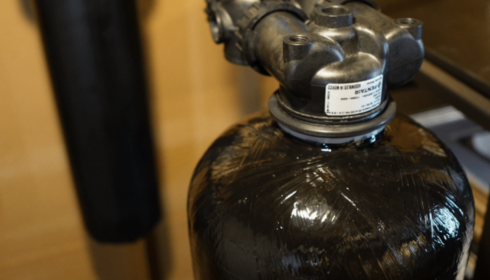
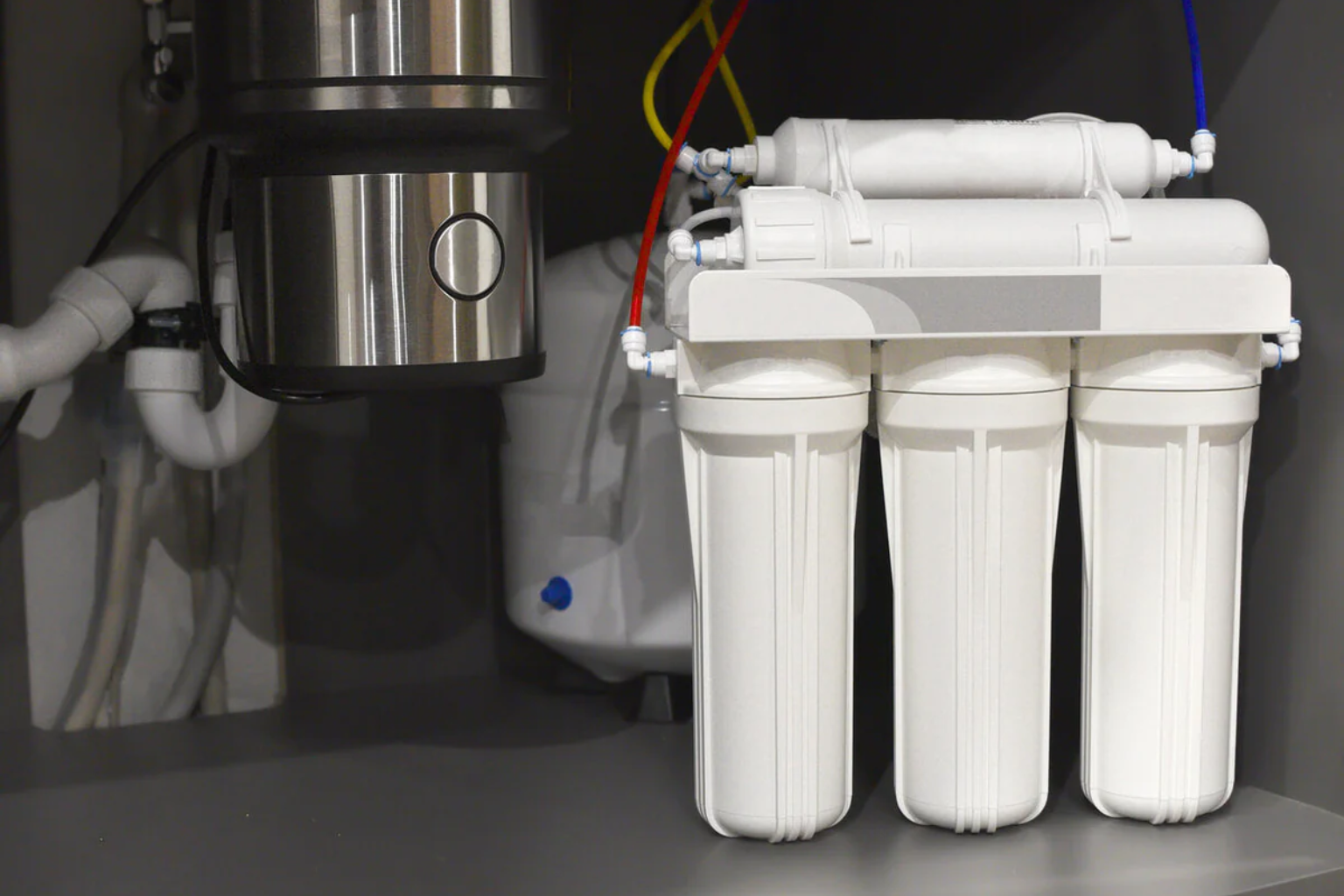
For example, if it’s hardness you’re dealing with, a softener can help. If there’s chlorine or weird taste/smell, a carbon filtration unit might be the move. And if it’s a combination of things, there are multi-stage filtration systems that can handle the full spectrum.
Clean Water Isn’t Just a Luxury. It’s Basic Comfort.
Here’s the thing: clean, healthy water shouldn’t be something you notice—it should be something you feel. Your skin’s better. Your dishes shine. Your tea tastes how it’s supposed to. Everything just… works.
And that shift is powerful.
Because water runs through every part of your life. When it’s good, it supports everything. When it’s not? You feel it—even if you don’t realize it at first.
Final Thoughts: Don’t Ignore the Whispers
Water rarely screams for attention. It hints. It nudges. It shows up as spots, streaks, smells, and sensations. And the sooner you listen to those signs, the easier (and cheaper) it is to fix them.
So if something’s been nagging at you—maybe a faint odor, an unexplained dryness, a vague dissatisfaction with your tap water—trust that instinct. You might just be one smart choice away from a noticeably better quality of life.