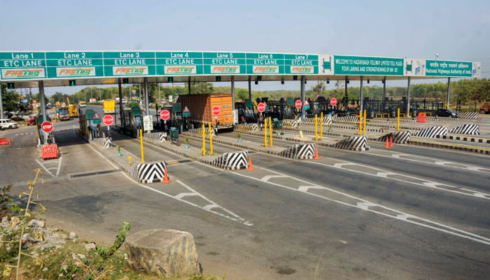
India’s highways are getting smarter, faster, and far less stressful than they used to be. If you’ve driven on national highways in the last few years, you’ve probably noticed how toll booths no longer mean long queues and constant stopping. That change is largely because of FASTag. Recently, another concept has started gaining attention among frequent highway users—the fastag annual pass. For daily commuters, transporters, and regular travelers, this idea feels like a natural next step in making road travel smoother.
At its core, FASTag is a prepaid RFID tag linked to your vehicle and bank account. Whenever you pass through a toll plaza, the toll amount is automatically deducted. No cash, no waiting, no arguments. Now, the annual pass model builds on this convenience by offering a fixed-price solution for people who cross toll plazas often.
What Is a FASTag Annual Pass?
A FASTag annual pass is designed for users who frequently use the same highway routes. Instead of paying toll charges every time you pass, you pay a single consolidated amount for a longer duration—usually one year. This helps reduce the per-trip cost and eliminates repeated deductions from your wallet.
The concept is especially useful for office-goers who commute daily between cities, logistics operators, and people living near toll plazas. Rather than worrying about recharge balance every week, an annual plan offers peace of mind and predictable expenses.
How It Helps Frequent Travelers
The biggest advantage of an annual pass is cost control. When toll prices rise, pay-per-use travelers feel the impact immediately. With an annual plan, your cost remains fixed for the entire validity period. Over time, this can lead to noticeable savings.
Another underrated benefit is time. Even with FASTag, toll plazas can get crowded during peak hours. Annual pass lanes (where available) usually move faster, making daily travel less frustrating.
Understanding FASTag Annual Pass in Hindi
Many users search online for fastag annual pass in hindi because official explanations are often confusing or filled with technical language. Simply explained, FASTag वार्षिक पास उन लोगों के लिए है जो रोज़ या बार-बार टोल रोड का इस्तेमाल करते हैं। इसमें एक बार तय रकम जमा करने के बाद पूरे साल टोल शुल्क अलग-अलग नहीं कटता।
इसका फायदा यह है कि आपको हर बार रिचार्ज करने की चिंता नहीं रहती और सफर ज्यादा आसान हो जाता है। खासकर छोटे शहरों और कस्बों में रहने वाले लोगों के लिए यह योजना काफी उपयोगी साबित हो सकती है।
Eligibility and Vehicle Types
Not all vehicles may qualify for an annual pass. Most schemes focus on private cars, jeeps, and vans. Commercial vehicles often have separate pricing or rules. In some cases, annual passes are route-specific, meaning they only apply to certain toll plazas or highway stretches.
It’s important to check whether your daily route is covered before opting for any annual plan. Otherwise, you may still end up paying regular tolls outside the covered zone.
How to Apply and Activate
Applying for a FASTag annual pass is usually done online through authorized FASTag issuers or banks. Once logged in, you can check if your vehicle and route are eligible. After payment, the pass is linked to your existing FASTag account, so you don’t need a new tag.
Activation timelines may vary, but most passes become active within a few days. Notifications are typically sent via SMS or email once the pass is live.
Things to Keep in Mind
While an annual pass offers convenience, it’s not always the best choice for everyone. If you travel occasionally or use multiple highways, a regular FASTag recharge model may still be more economical. Also, refunds are generally not available if you stop using the route midway through the year.
Before purchasing, calculate your average monthly toll spending. If the annual cost is significantly lower, then the pass makes sense.
Final Thoughts
The FASTag ecosystem in India is evolving rapidly, and annual passes are a step toward more predictable and commuter-friendly tolling. For regular highway users, it can reduce costs, save time, and remove daily travel hassles. As more routes and cities adopt this model, it’s likely to become even more popular among Indian drivers looking for smarter ways to travel.