There’s a moment almost everyone has had: you pour a glass of water, take a sip, and pause. Not because it’s terrible—but because it’s not quite right either. A faint aftertaste. A strange heaviness. Something you can’t put your finger on. That small hesitation is usually where the journey toward better water begins.
For a lot of households, that journey eventually leads to reverse osmosis—yes, often misspelled, occasionally misunderstood, but incredibly effective when it comes to improving what you drink every single day.
The Question We Don’t Ask Often Enough
We spend money on good coffee beans, organic produce, fancy cookware. But water? We tend to assume it’s “fine” as long as it’s clear. The reality is, water can look perfectly clean and still carry dissolved salts, metals, chemicals, and microscopic contaminants.
Municipal treatment does a solid job of making water safe, but “safe” doesn’t always mean ideal. Old pipes, agricultural runoff, industrial byproducts—all of these can affect what finally comes out of your tap. And that’s where reverse osmosis quietly steps in.
What Reverse Osmosis Actually Does (Without the Boring Science Class)
At its core, reverse osmosis is a filtration process that forces water through a semi‑permeable membrane. The membrane allows water molecules through, but blocks a huge range of contaminants. Think of it as an extremely picky bouncer at the door of your drinking water.
This process removes things most standard filters can’t touch: dissolved solids, excess salts, nitrates, fluoride, arsenic, and more. What’s left behind is water in its simplest, cleanest form.
That’s why ro water systems are often used not just in homes, but in laboratories, medical facilities, and food production. When purity matters, RO tends to be the gold standard.
Taste Is the First Thing You’ll Notice
Before anyone talks about health benefits or filtration stages, most people notice one thing right away: the taste.
RO water is clean in a way that’s almost surprising. No chlorine bite. No metallic note. No lingering bitterness. Just neutral, refreshing hydration. It’s the kind of water that makes you drink more without thinking about it.
Coffee tastes smoother. Tea is brighter. Even ice cubes look clearer. You don’t realize how much water flavor affects your daily routine until that flavor is suddenly… gone.
The Health Angle (Without the Hype)
There’s a lot of exaggerated marketing in the water world, so let’s keep this grounded. Reverse osmosis doesn’t magically cure anything. What it does do is reduce your exposure to unwanted substances that don’t belong in drinking water in the first place.
For families with young children, people with compromised immune systems, or anyone simply trying to be more intentional about what they consume, that matters. You’re removing potential risks rather than reacting to them later.
And yes, the result is often described as ultra-pure drinking water—not because it’s trendy, but because it’s been stripped down to the essentials.
Is RO Water “Too Clean”?
You might’ve heard this argument: reverse osmosis removes minerals your body needs. It sounds scary, but the context matters.
Most of the minerals we need don’t come from water—they come from food. Fruits, vegetables, grains, nuts. Water contributes very little to daily mineral intake. And for people who still want that balance, many RO systems now include a remineralization stage, adding back small amounts of calcium or magnesium for taste and balance.
In other words, it’s a non-issue for most households.
Everyday Convenience, Not a Science Project
One of the biggest misconceptions about reverse osmosis is that it’s complicated. Modern systems are anything but.
Most residential units install neatly under the sink. They include multiple filtration stages, a storage tank, and a small dedicated faucet. Maintenance usually means changing filters once a year and the membrane every few years. No daily effort. No constant adjustments.
You turn the handle, you get clean water. That’s it.
The Environmental Side of the Story
Here’s something people don’t talk about enough: bottled water. It’s expensive, wasteful, and often less regulated than tap water. RO systems dramatically reduce the need for bottled water, cutting down on plastic waste and transportation emissions.
Yes, reverse osmosis uses some water in the filtration process, but when compared to the footprint of bottled water, it’s a far more sustainable long‑term choice. Especially for households that go through cases of bottled water every week.
Who Benefits the Most?
Reverse osmosis isn’t just for people with “bad” water. It’s for anyone who wants consistency. Renters tired of pitcher filters. Homeowners who don’t want to gamble on taste. Families who want to stop questioning what’s in their glass.
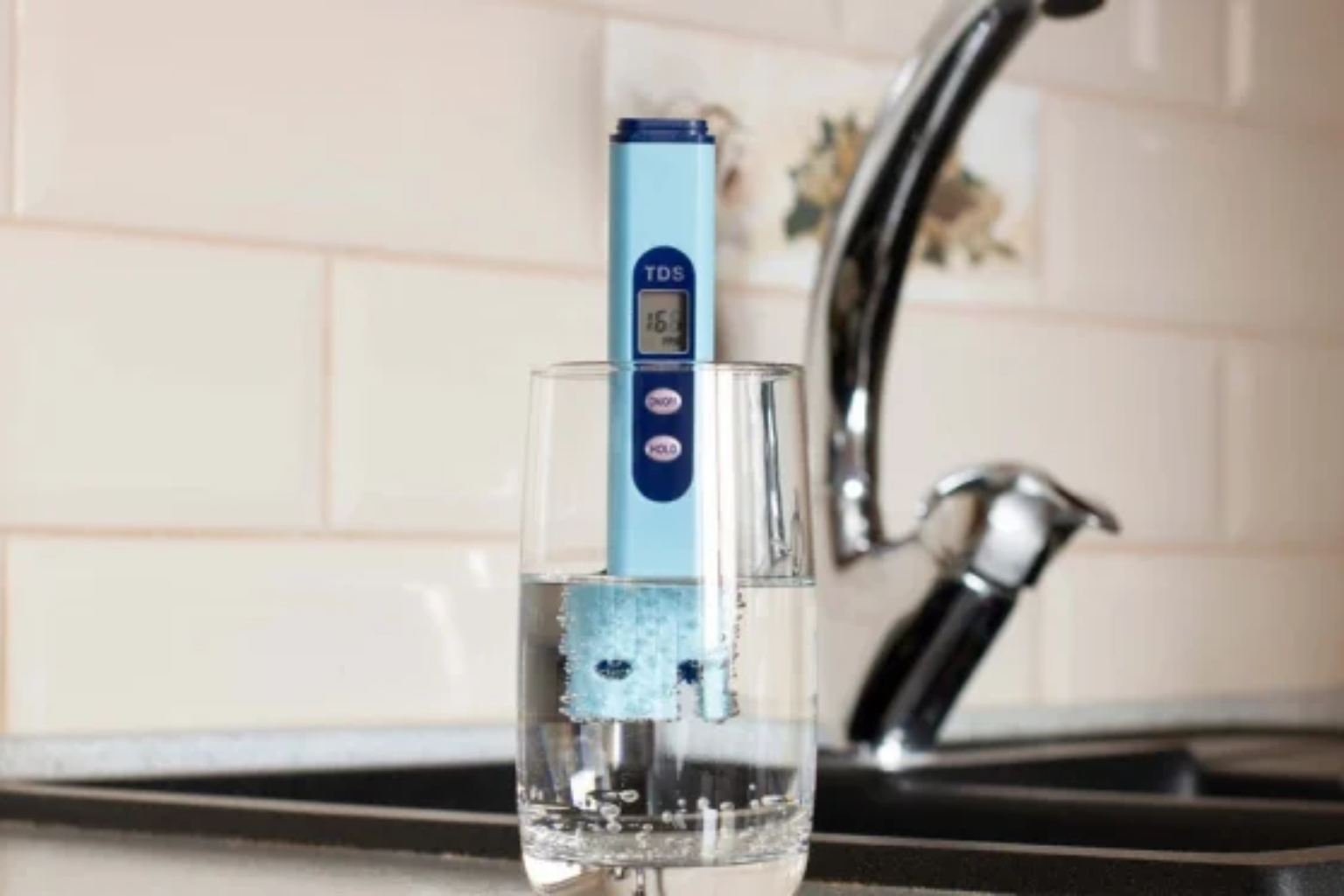
It’s also ideal for areas with hard water, high TDS levels, or noticeable chemical treatment. If your water leaves residue, tastes off, or makes you hesitate before drinking, RO is worth considering.
The Quiet Upgrade That Changes Habits
Here’s the funny thing about installing a reverse osmosis system: you stop thinking about water, because it just works. You refill bottles without hesitation. You cook without second‑guessing. You drink more, because it’s actually enjoyable.
That’s the real benefit. Not fear. Not hype. Just confidence.
Water is something we interact with constantly, yet we rarely upgrade it. When you finally do, the difference doesn’t shout—it settles in. Slowly. Comfortably. And once you’re used to it, going back feels impossible.
Final Thought
You don’t need to be a health fanatic or a tech enthusiast to appreciate reverse osmosis. You just need to care about what you’re putting into your body every day.