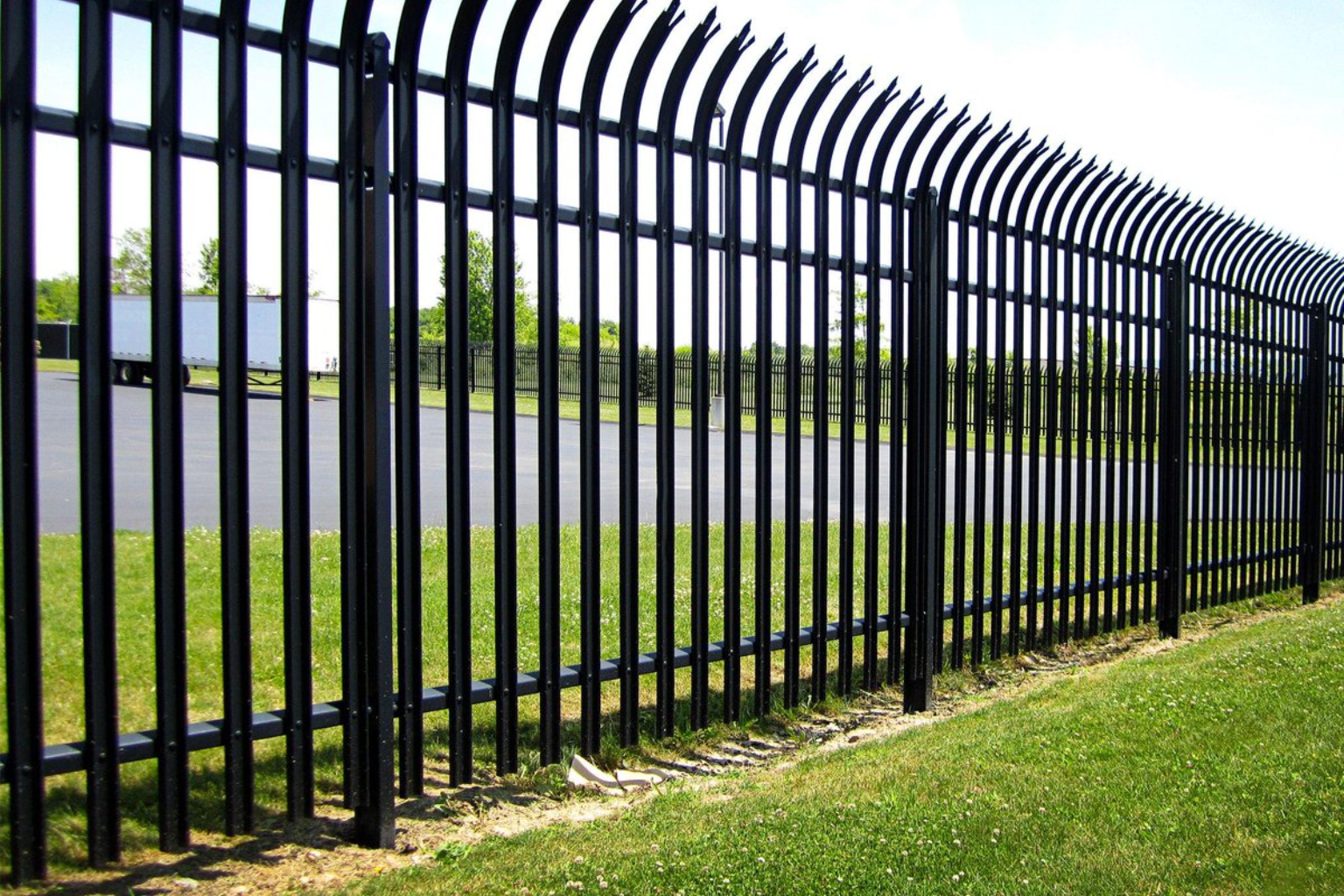
There’s something quietly reassuring about a good fence. You don’t really notice it when it’s doing its job—but the second a panel leans, a latch breaks, or a post starts wobbling like a drunk flamingo, you start paying attention. That’s the thing about fences—they’re often overlooked until they’re suddenly impossible to ignore.
I didn’t grow up thinking about fences, to be honest. But after I bought my first house (and shortly after, my dog learned how to escape said house), I realized they’re more than just wood or metal stuck in the ground. They’re peace of mind. Privacy. Safety. Boundaries—literal and emotional. And when they start falling apart? Life gets a bit messy.
That Tiny Crack Is Speaking Loudly: Listen
It always starts small. A splinter here. A loose screw there. Maybe a rust patch you promise yourself you’ll deal with “next weekend.” But like most things in life, what seems like a small issue with your fence rarely stays small for long.
Fence repair isn’t just about aesthetics—though yes, a leaning fence does make your yard look like it’s had one too many late nights. It’s about security. If you’ve got pets, kids, nosy neighbors, or even just a little pride in your property’s appearance, keeping that perimeter solid is non-negotiable.
And here’s the kicker—ignoring that sagging gate or broken post can cost you more in the long run. Repair early, and you might only need a quick fix. Wait too long, and suddenly you’re replacing entire sections. And trust me, that invoice stings.
The “M” Word: Why Maintenance Isn’t Just for Cars
I know, I know. Maintenance is a boring word. It sounds like something you schedule and then cancel three times before you actually do it. But when it comes to your fence, regular check-ups are like sending it to the gym.
Walk your property once every few months. Gently shake the posts. Look for signs of rot, rust, insect damage, or warping. Tighten what’s loose. Oil what squeaks. Paint or seal the wood when it starts to look thirsty. These small acts of care aren’t about being obsessive—they’re about being smart.
It’s kind of like flossing. You don’t want to do it, but future-you will be glad you did. And your wallet? Even more so.
Commercial Fences Deserve Just as Much Love
Here’s a fun fact: fences aren’t just for suburban homes with golden retrievers and lawn gnomes. Businesses need them too. And often, commercial fences face an entirely different set of challenges.
From deterring vandalism to protecting equipment or controlling traffic flow, a solid fence can be the first line of defense for a commercial property. But because they’re not “pretty” or front-and-center like the ones in your backyard, they get ignored even faster.
That warehouse chain-link you installed in 2015? Still think it’s up to the task? Because if a few slats are bent, the gate doesn’t lock, or the whole thing leans like a lazy teenager, you’re basically inviting trouble. A damaged fence around a commercial site sends a clear message: “We’re not paying attention.” And that’s not a message you want to send.
Not All Fences Are Created Equal
Wood, vinyl, aluminum, chain link, wrought iron—the material you choose matters. It’s not just about looks, though I’d be lying if I said curb appeal didn’t count. It’s also about your environment, your needs, and your budget.
Live in a damp climate? Maybe steer clear of untreated wood unless you love mildew and splinters. Near the ocean? Salt air eats metal like candy. Want something that practically maintains itself? Vinyl’s your best friend. Love the classic, stately look? Wrought iron never goes out of style, though it asks for a bit more TLC.
Picking the right material upfront is a huge part of the longevity equation. But regardless of your pick, no material is truly “set it and forget it.” Everything breaks down eventually—especially when it’s sitting outside, 24/7, facing off against weather, pests, and your neighbor’s poorly thrown frisbee.
When DIY Goes Wrong (and When to Call the Pros)
Look, I’m all for rolling up your sleeves and fixing things yourself. I’ve watched enough YouTube tutorials to think I’m basically qualified to rebuild a house (I’m not). But when it comes to fences, know your limits.
A shaky post? Sure, get out the level and concrete mix. A broken picket? Grab some screws and go wild. But when the entire back section has collapsed, or the fence is holding up your neighbor’s ivy-covered monstrosity of a hedge? It’s time to bring in the experts.
Professional fence contractors know what they’re doing—and they know how to do it safely. They’ll make sure your fence is compliant with local codes, property lines are respected, and everything’s done with the right tools and materials.
Yes, it costs more than doing it yourself. But botching the job and having to redo it? That costs even more.
What’s the Cost of a Broken Fence?
There’s the financial side, sure. Materials, labor, time. But let’s not forget the emotional and logistical toll. A broken fence can mean a missing pet, an argument with a neighbor, a security breach, or just the nagging feeling that something’s not right.
If you’ve ever had your backyard exposed to the street for even one day, you know the discomfort I’m talking about. It’s amazing how vulnerable you can feel without that simple barrier. It’s not just wood and screws—it’s a boundary. A comfort zone.
And in a world that often feels chaotic, those small feelings of security? They matter more than ever.
Wrapping It All Up (Like a Freshly Painted Gate)
So here’s the thing: a fence isn’t a one-and-done kind of deal. It’s an ongoing relationship. One that needs check-ins, support, and yes, the occasional face-lift.